

Moving into a new home is exciting, but it comes with a long list of stressors — especially when you have a dog. While you’re juggling packing schedules and logistics, your furry companion is quietly picking up on every change. Dogs are territorial creatures that rely on routine and familiar surroundings. Disrupting those things can trigger serious dog anxiety during a move. The good news? There are proven ways to keep your dog calm when moving and make the transition easier for both of you. Here are the most effective strategies, along with tips on how to make your dog’s life more comfortable throughout the process.
Start Preparing Your Dog Early
One of the most important things you can do to keep your dog calm when moving is to start the process well in advance. You can’t simply pack up overnight and expect your dog to handle it without stress. No matter how well you communicate with your dog, you can’t explain what’s about to happen. What you can do is ease them into it gradually.
Here are a few ways to prepare your dog before moving day:
- Introduce the transport crate or carrier early. Place it in a common area long before the move so your dog can explore it at their own pace. Over time, they may even start using it voluntarily as a resting spot.
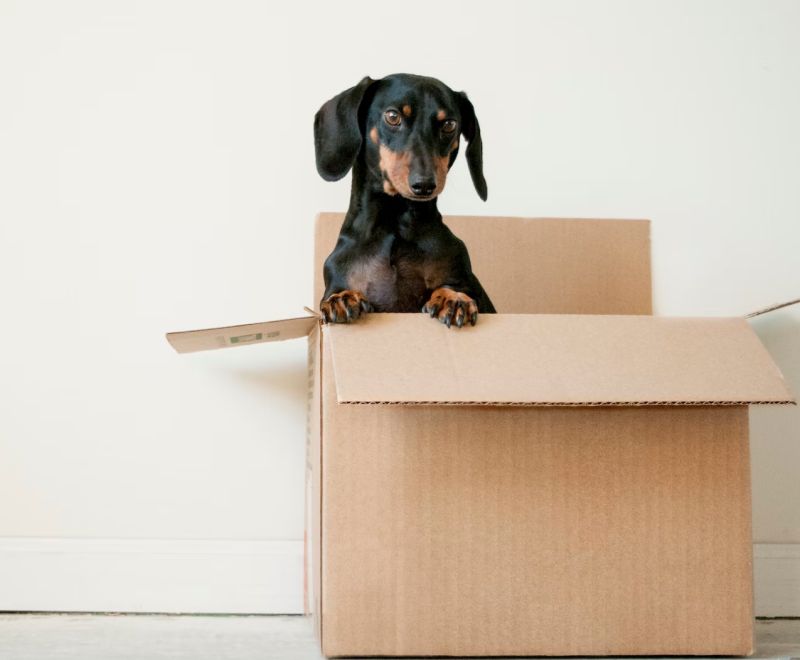
- Bring out packing supplies gradually. Boxes, tape, and bubble wrap all change the look and smell of your home. Introduce these items slowly so your dog adjusts to the new sights and sounds before the chaos begins.
- Visit the new home with your dog beforehand. If you’re moving locally, take your dog to the new neighborhood a few times before the big day. Familiar scents go a long way in reducing dog stress when moving house.
Give Your Dog Extra Attention Throughout the Move
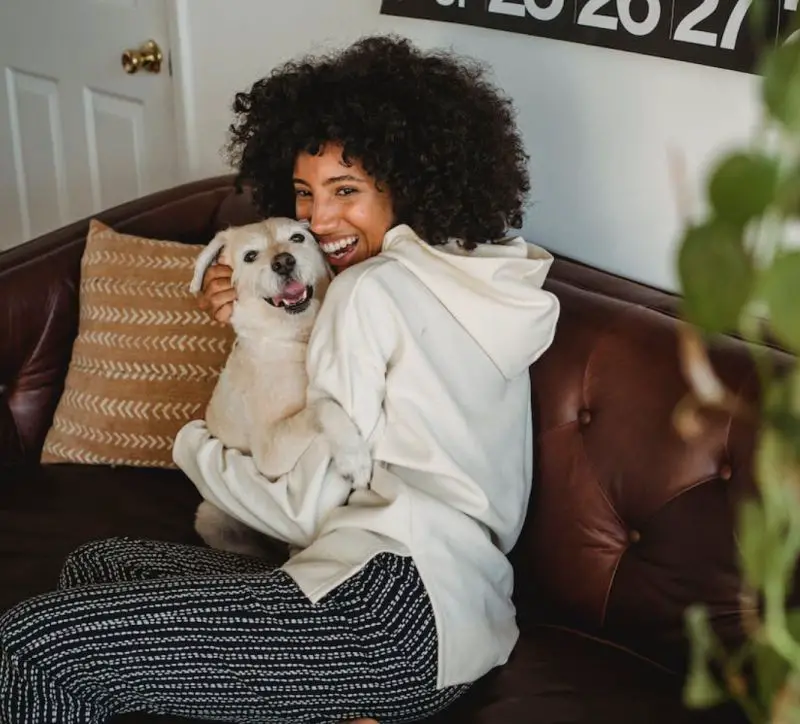
Giving consistent attention is one of the simplest yet most effective ways to reduce dog anxiety during a move. This applies both in the days leading up to the move and after you settle into your new place. Make a point of taking breaks from packing to spend one-on-one time with your dog.
Belly rubs, short play sessions, and even quiet cuddle time all help reassure your dog that they’re safe. You can get creative too — use the empty moving boxes to play hide-and-seek with their favorite toys. Small moments of connection make a big difference when everything around them is changing.
Get Help on Moving Day
Moving day is chaotic enough without also managing a stressed-out dog. The constant stream of strangers, the noise, and the disrupted environment can make your dog extremely anxious. The best solution? Remove them from the situation entirely.
Consider these options for moving with a dog on the big day:
- Drop them off at doggy daycare. This keeps your dog safe, entertained, and far from the chaos.
- Ask a trusted friend or family member to dog-sit. Even having someone they know stay with them at home can reduce anxiety significantly.
The professionals at Verified Movers consistently recommend removing pets from the home on moving day to avoid unnecessary stress for both the dog and the moving crew.
Pack Your Dog’s Essentials Separately
When you arrive at your new home, the first thing your dog will need is comfort — and that means familiar items. Resist the urge to replace everything with new gear. Those worn toys, that slightly tattered blanket, and the scratched-up food bowl all carry your dog’s scent and provide critical emotional reassurance.
Pack these must-haves in a clearly labeled bag or box so you can access them immediately upon arrival:
- Favorite toys and chew items
- Bedding and blankets
- Food, treats, and water bowls
- Leash, collar, and any medications
Having these ready right away helps your dog settle into the new environment faster and reduces the dog stress of moving house.
Stick to Your Dog’s Normal Routine
Routine is everything for dogs. Maintaining consistent walk times and feeding schedules is one of the most powerful tools you have to keep your dog calm when moving. Even if the surroundings are completely new, a familiar schedule signals to your dog that life is still predictable and safe.
Of course, disruptions are inevitable during a move. That’s why the focus should be on resuming your dog’s normal diet and care routine as quickly as possible after relocation. The sooner you get back on schedule, the faster your dog will feel at ease.
Create a Safe Space in the New Home
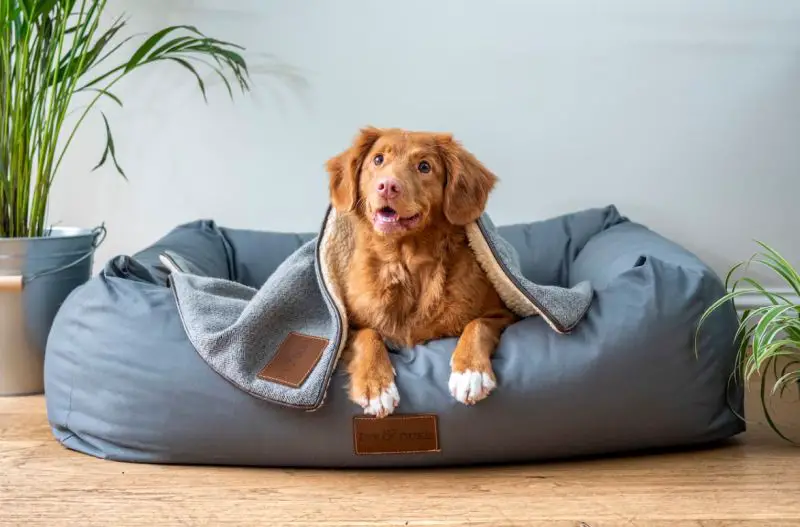
Before anything else, designate a quiet, low-traffic area in your new home as your dog’s personal space. Set up their bed, toys, and water bowl there right away. This gives them a retreat from the unfamiliar sights and sounds that come with settling in.
You can also use this strategy on moving day itself. If your dog can’t go to daycare, confine them to one calm room with their belongings while movers work in the rest of the house. This small boundary can significantly reduce anxiety and prevent your dog from getting underfoot during the move.
Don’t Leave Your Dog Alone Right Away
One of the biggest mistakes people make after moving with a dog is leaving them alone too soon. An unfamiliar environment combined with sudden solitude can trigger separation anxiety. Your dog may genuinely fear you aren’t coming back.
Plan to spend at least a few days at home after you move in. If taking time off work isn’t possible, schedule your move on a Friday so the weekend gives you time to help your dog adjust. If neither option works, ask a trusted person to stay with your dog until they become more comfortable in the new space.
Final Thoughts
Moving with a dog takes extra planning, but it’s absolutely manageable. The key is remembering that your dog is experiencing the same transition you are — without any context for why it’s happening. By preparing early, maintaining routines, and staying present, you give your dog the best possible chance at a smooth adjustment.
Be patient. Most dogs adapt well with time, consistency, and plenty of love. These strategies will help keep your dog calm when moving and set the foundation for a happy start in your new home.
RELATED POSTS: