
The American Bully is a muscular, companion-focused dog breed known for its confident look, loyal personality, and family-oriented reputation. This guide is designed to be the main American Bully hub on American Bully Daily, connecting the breed’s history, temperament, types, care needs, training, feeding, health, and responsible ownership into one clear starting point.
Quick answer: The American Bully is a modern companion breed developed from bully-type dogs, including American Pit Bull Terrier and American Staffordshire Terrier lines. A well-bred American Bully should be confident, stable, affectionate, and people-oriented, but individual behavior still depends on genetics, early socialization, training, health, and environment.
Quick Facts About the American Bully
- Breed purpose: Companion dog with a strong, muscular build.
- Common temperament: Confident, loyal, affectionate, and people-focused when well bred and properly raised.
- Common types: Standard, Pocket, Classic, and XL are widely discussed American Bully classes.
- Training need: Early socialization, consistent structure, and positive reinforcement.
- Exercise need: Regular daily activity, enrichment, and controlled play.
- Best owner fit: Owners who can provide structure, training, exercise, and responsible care.
Explore American Bully Guides
Use this page as the starting point, then visit the deeper guides for each topic.
American Bully vs PitbullCompare breed history, appearance, temperament, and common confusion.
American Bully Food GuideLearn feeding basics for muscular bully-type dogs.
American Bully TrainingBuild structure, confidence, socialization, and better manners.
Standard American BullySee the Standard type in more detail.
XL American BullyLearn about the larger XL American Bully type.
Classic American BullyCompare the lighter Classic build.
American Bully NamesFind name ideas for male and female American Bullies.
What Is an American Bully?
The American Bully is a modern bully-type companion dog developed to combine a powerful, muscular look with a stable, people-oriented temperament. The breed is often confused with the American Pit Bull Terrier, but American Bullies are usually discussed as a distinct breed or breed type with their own standards, size classes, and community.
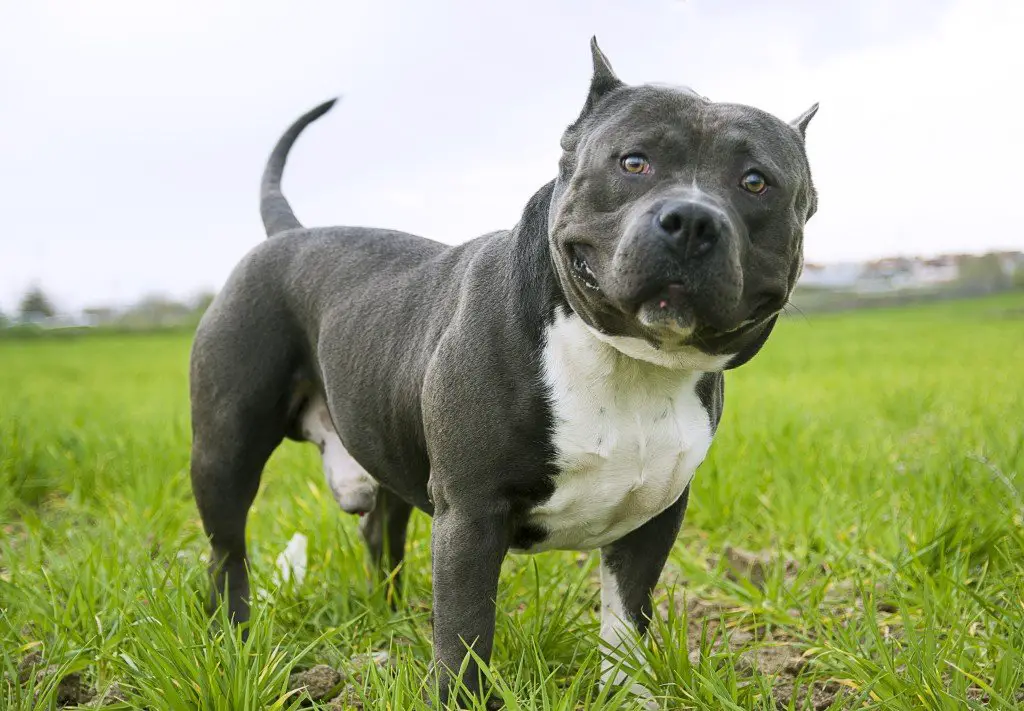
Because the breed has roots in several bully-type dogs, the American Bully can vary in size, build, and appearance. That is why it helps to understand the difference between the American Bully itself, the American Pit Bull Terrier breed guide, and the direct comparison in our the bully-versus-terrier comparison guide.
American Bully History and Origin
The American Bully developed in the United States from bully-type dogs, especially American Pit Bull Terrier and American Staffordshire Terrier lines, with additional influence from related bulldog-type breeds in some programs. The goal was not simply to create a harder-looking dog. Responsible breeders aimed for a confident companion with a substantial build and stable temperament.
Breed history can be complicated because bloodlines, registries, and breeder goals vary. For a deeper look at lineage and breeding families, see our guide to the best American Bully bloodlines.
American Bully Temperament
A well-bred American Bully is commonly described as loyal, affectionate, confident, and people-oriented. Many owners value the breed because it can be playful with family, steady around the home, and eager to interact with people.
That said, no breed description guarantees the behavior of every dog. Temperament is shaped by genetics, breeder decisions, early socialization, training, health, daily management, and the owner’s ability to provide structure. Avoid assuming that every American Bully will automatically be safe with every child, pet, or stranger without supervision and training.
Human aggression is not considered desirable in reputable American Bully standards. If a dog shows concerning aggression, fear, or reactivity, owners should work with a qualified trainer, behavior professional, or veterinarian instead of relying on breed stereotypes.
American Bully Appearance and Build
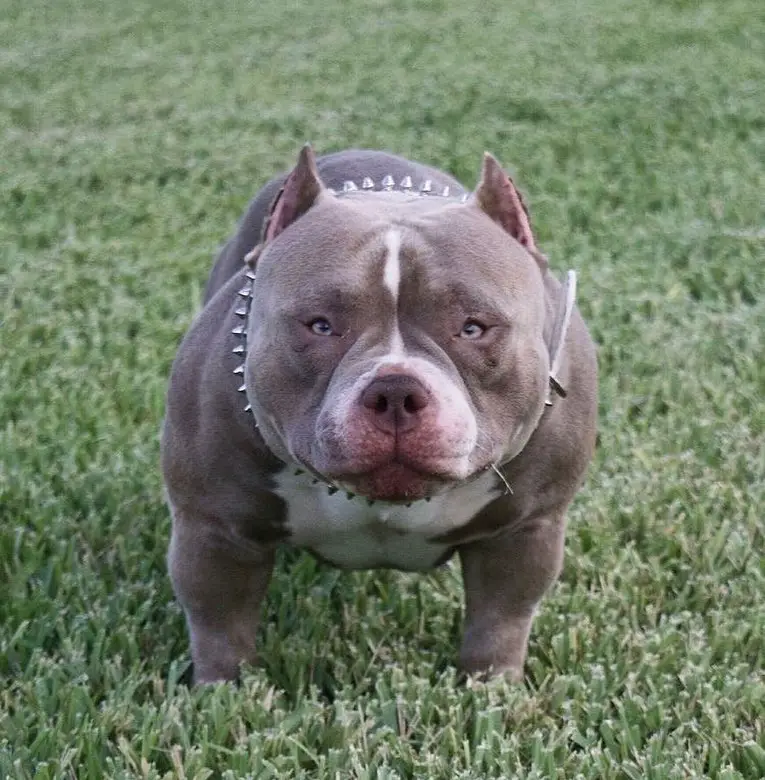
The American Bully is known for a strong, compact, muscular appearance. Many dogs have a broad head, pronounced cheek muscles, a deep chest, a sturdy body, and a confident stance. The breed should still look balanced and functional rather than exaggerated to the point that movement or health is affected.
Coat care is usually manageable because most American Bullies have short coats, but skin, allergy, and grooming needs can vary by individual dog. For grooming support, see our guide to dog shampoo for American Bully coat care.
American Bully Types and Sizes
American Bully size labels can be confusing because different registries, breeders, and communities may use labels differently. The most common classes owners see are Standard, Pocket, Classic, and XL. Some people also use terms like Exotic, Micro, or XXL, but those labels should be treated carefully because they may not match official registry categories.
Standard American Bully
The Standard American Bully is often what people picture first: muscular, compact, confident, and substantial without being the tallest version of the breed. Learn more in the the standard-size guide.
Pocket American Bully
The Pocket American Bully is generally shorter than the Standard while still carrying the breed’s muscular, compact look. “Pocket” does not mean tiny or toy-sized; it means a shorter bully-type dog within that community’s size expectations.
Classic American Bully
The Classic American Bully usually has a lighter frame and less extreme body mass than the Standard. Owners who like the breed’s temperament but prefer a less bulky look may want to read the the classic-build guide.
XL American Bully
The XL American Bully is taller and larger-framed than other common classes. Larger dogs need careful attention to weight, joint health, training, and safe handling. See the the extra-large type guide for more detail.
Exotic and Non-Standard Labels
Some dogs are marketed as Exotic, Micro, XXL, or other specialty labels. These terms can vary widely. If you are considering one, focus less on the label and more on health, structure, breathing, movement, temperament, and whether the breeder can show responsible practices. Our Exotic Bully guide explains this topic in more detail.
American Bully vs Pitbull
The American Bully and the Pitbull are often confused because they share bully-type ancestry and a muscular look. However, they are not the same topic. “Pitbull” is often used broadly and may refer to the American Pit Bull Terrier or similar dogs, while the American Bully has its own breed community, size classes, and companion-focused identity.
The easiest way to compare them is by purpose and structure. American Pit Bull Terriers are typically more athletic and terrier-influenced, while American Bullies are usually bred for a heavier, more companion-oriented build. For the full breakdown, read our the bully-versus-terrier comparison.
Is an American Bully a Good Family Dog?
An American Bully can be a good family dog for the right home, especially when the dog comes from a responsible breeder or rescue, receives early socialization, and is trained with consistency. Many American Bullies are affectionate with their families and enjoy being part of daily life.
Families should still supervise dogs and children, teach respectful handling, and avoid rough interactions that encourage jumping, mouthing, or overexcitement. A strong, muscular dog does not need harsh handling. It needs predictable rules, calm guidance, and positive training.
American Bully Training and Socialization
Training should start early and stay consistent. American Bullies are strong dogs, so polite leash walking, recall, settling, crate comfort, and impulse control are important life skills. Socialization should expose puppies to people, sounds, surfaces, handling, and normal daily environments in a safe, positive way.
For a full training plan, see our the training overview. For walking control and equipment, the guides on best harness for Pitbulls and strong bully breeds and Pitbull leash essentials for strong pullers are useful because many bully-type dogs need sturdy, well-fitted gear.
Exercise and Enrichment Needs
American Bullies usually need regular exercise, but the right amount depends on age, size, health, body condition, and energy level. A good routine often includes walks, short training sessions, supervised play, sniffing, food enrichment, and rest.
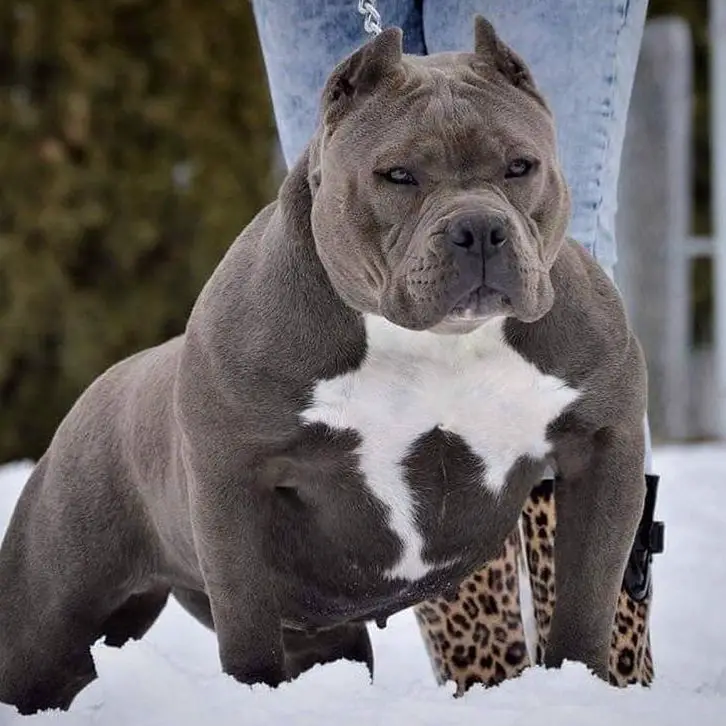
Because this breed can be powerful, avoid turning every activity into high-arousal rough play. Structured games, tug with release cues, food puzzles, and controlled fetch can help burn energy without creating chaos. For safe enrichment ideas, see our guide to best toys for Pitbulls and strong chewers.
Feeding and Nutrition
American Bullies need a complete and balanced diet matched to their life stage, activity level, body condition, and health needs. Puppies, adults, seniors, highly active dogs, and overweight dogs should not all be fed the same way.
Because many American Bullies are muscular, owners sometimes overfeed while trying to keep the dog looking “big.” Extra weight can add stress to joints, breathing, heat tolerance, and overall health. Use body condition, not only scale weight, to judge whether your dog is in good shape.
For more detail, start with our the feeding overview. If your dog needs calorie control, compare low-fat dog food options for American Bullies with your veterinarian’s advice.
Grooming and Skin Care
Most American Bullies have short coats, but that does not mean grooming should be ignored. Regular brushing, nail trims, ear checks, bathing when needed, and skin inspection help catch problems early. Bully-type dogs may be prone to skin irritation or allergies, so owners should watch for itching, redness, hot spots, hair loss, or recurring ear problems.
If you are comparing grooming products, our the coat-care shampoo guide guide can help. If you are researching appearance topics, see American Bully ear crop styles, but remember that cosmetic decisions should always be weighed against welfare, legality, and veterinary guidance.
Common American Bully Health Concerns
American Bullies can be healthy dogs, but owners should be aware of possible risks often discussed in bully-type breeds. These may include hip or elbow issues, skin and allergy problems, breathing concerns in overly exaggerated dogs, weight-related strain, and heat sensitivity in some individuals.
Health is not only about genetics. Body condition, exercise, responsible breeding, veterinary care, safe temperatures, dental care, and early attention to symptoms all matter. Choose breeders who welcome health questions and can discuss the parents’ structure, temperament, and veterinary history.
Health note: Breed descriptions and health notes are general education, not a diagnosis. Ask your veterinarian about your dog’s weight, joints, skin, breathing, behavior, and long-term care plan.
How Much Does an American Bully Cost?
American Bully prices vary widely. Cost depends on location, breeder reputation, pedigree, registration, health testing, size/class, demand, and whether the dog is a puppy, adult, show prospect, rescue, or companion-only placement.
A very high price does not automatically mean better health or temperament. A low price also does not automatically mean a good deal. Responsible buyers should focus on health, temperament, living conditions, breeder transparency, and support after purchase.
Adoption vs Breeder
Some owners choose a breeder because they want a puppy with known parentage, size expectations, and early history. Others choose adoption or rescue because they want to give a dog a second chance. Both paths can be responsible if you ask the right questions and match the dog to your home.
For breeders, ask about health testing, temperament, parent dogs, puppy socialization, contracts, return policies, and veterinary care. For adoption, ask about known behavior, dog/child/cat history, medical records, energy level, and what support the rescue provides after placement.
How to Choose a Responsible American Bully Breeder
A responsible breeder should care about more than color, size, price, or extreme appearance. They should be able to explain why they paired the parents, what health and temperament issues they screen for, and how puppies are raised before going home.
- Ask to see where puppies are raised.
- Ask about the parents’ temperament and health history.
- Ask what socialization the puppies receive.
- Avoid breeders who only focus on rare colors, extreme size, or urgency to pay.
- Do not assume registration papers guarantee health or temperament.
- Choose a breeder or rescue that will answer questions after the dog comes home.
American Bully Puppy Care
American Bully puppies need early structure, safe socialization, proper nutrition, veterinary care, crate and house training, and gentle exposure to handling. Puppyhood is the time to build confidence before the dog becomes bigger and stronger.
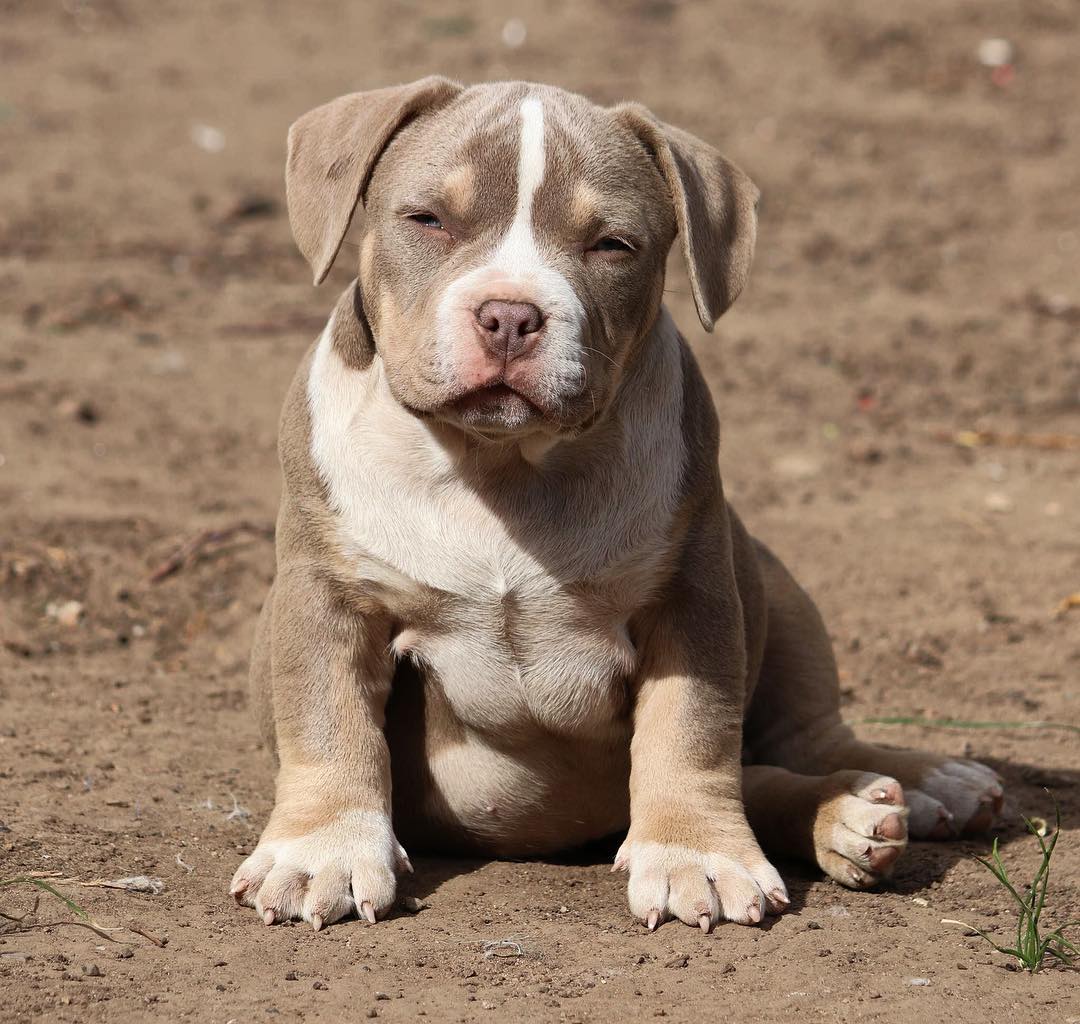
Keep training short and positive. Reward calm behavior, introduce grooming slowly, prevent jumping and rough mouthing, and teach leash skills early. Puppies should get age-appropriate exercise, not forced long-distance running or high-impact jumping.
Related American Bully Guides
- the size and type comparison section
- the bloodline overview
- the bully-versus-terrier comparison
- the feeding overview
- the training overview
- the naming ideas page
FAQ
Is an American Bully the same as a Pitbull?
No. The American Bully and the Pitbull are related in public conversation, but they are not the same topic. “Pitbull” is often used broadly, while the American Bully has its own breed community, appearance goals, and size classes.
The two can share ancestry and may look similar to people who are not familiar with bully-type dogs. The American Bully is usually heavier and more companion-focused in build, while the American Pit Bull Terrier is often more athletic and terrier-like. For a deeper comparison, read our the bully-versus-terrier comparison.
Are American Bullies good family dogs?
American Bullies can be good family dogs when they are well bred, socialized early, trained consistently, and matched with owners who understand strong dogs. Many are affectionate and people-oriented.
Families should still supervise dogs around children, teach kids how to respect dogs, and avoid assuming that any breed is automatically safe in every situation. Good family behavior comes from temperament, training, supervision, health, and responsible ownership together.
Are American Bullies aggressive?
Aggression toward people is not considered desirable in responsible American Bully standards, and many American Bullies are friendly, stable companions. However, no breed should be described with absolute promises.
Any dog can develop behavior problems if poorly bred, poorly socialized, frightened, unhealthy, unmanaged, or trained harshly. If an American Bully shows concerning aggression, reactivity, or fear, owners should seek professional help early.
What are the main American Bully types?
The most common American Bully type labels are Standard, Pocket, Classic, and XL. These categories generally describe size and build differences, not completely separate personalities.
Some breeders and communities also use labels like Exotic, Micro, or XXL. Treat those labels carefully and focus on health, structure, movement, temperament, and breeder responsibility. Start with our guide to the size and type comparison section for a fuller breakdown.
How much exercise does an American Bully need?
Most American Bullies need regular daily activity, but the amount depends on age, health, energy level, body condition, and size. Walks, training, sniffing, controlled play, and enrichment usually work better than only high-intensity exercise.
Because the breed is strong and muscular, training and structure matter as much as physical exercise. A tired dog is not always a trained dog. Build calm routines, leash manners, release cues, and rest into the day.
What should an American Bully eat?
An American Bully should eat a complete and balanced diet appropriate for their life stage, body condition, and activity level. Puppies, adults, seniors, highly active dogs, and overweight dogs can have different needs.
Avoid feeding only to make the dog look bigger. Extra weight can stress joints and make heat, breathing, and movement harder. Use your veterinarian’s advice and see our the feeding overview for more owner-friendly details.
How long do American Bullies live?
Lifespan can vary by genetics, size, health, structure, body weight, veterinary care, and daily management. Instead of relying on one exact number, owners should focus on keeping the dog lean, active, checked by a veterinarian, and protected from preventable risks.
Responsible breeding, early veterinary care, dental care, safe exercise, weight control, and fast attention to skin, joint, breathing, or behavior changes can all support a better quality of life.
How much does an American Bully cost?
American Bully cost varies widely based on breeder, location, bloodline, registration, health testing, age, and demand. A puppy from a breeder may cost much more than an adopted adult dog, and highly marketed bloodlines can cost more than companion placements.
Do not judge quality by price alone. Look for health transparency, stable temperament, clean living conditions, thoughtful breeding, and breeder support. Registration papers alone do not guarantee a healthy or well-tempered dog.
Should I adopt or buy an American Bully puppy?
Both adoption and responsible breeders can be valid paths. Adoption may be a good fit if you are open to an adult dog or a rescue that can tell you about the dog’s behavior and needs. A responsible breeder may be a better fit if you need a puppy with more predictable parentage and early history.
Whichever path you choose, ask questions. You want a dog whose temperament, energy level, health, and needs match your home — not just a dog with the right look.