
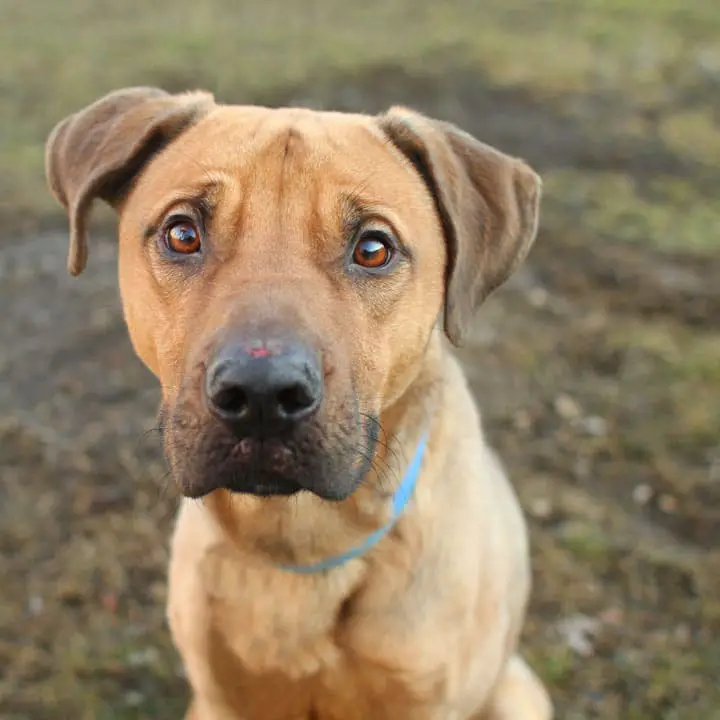
The German Shepherd Pitbull Mix is usually a strong, athletic, intelligent dog with one German Shepherd parent line and one Pitbull-type parent line. This mix can be loyal, people-focused, energetic, and highly trainable in the right home, but it is not a casual choice for owners who want a low-effort dog. The Shepherd side may add alertness, working drive, shedding, and sensitivity. The Pitbull-type side may add strength, persistence, enthusiasm, and strong attachment to people.
If you are comparing mixed bully-type dogs, start with our Pitbull mix breeds guide and use this page to decide whether the German Shepherd influence fits your daily routine, training style, housing, and experience level.
Quick Answer: What should you know about the German Shepherd Pitbull Mix?
A German Shepherd Pitbull Mix is often a medium-to-large, powerful, high-energy dog that needs training, socialization, exercise, and structure. Many are affectionate with their families and enjoy having a job, but they can become difficult to manage if they are bored, under-socialized, or allowed to practice pulling, jumping, guarding, chasing, or rough play.
This mix is usually best for active owners who are comfortable training a strong dog and who can provide daily movement, mental work, secure handling, and clear routines. It is usually not the easiest first dog for someone who wants a quiet apartment companion with minimal exercise needs.
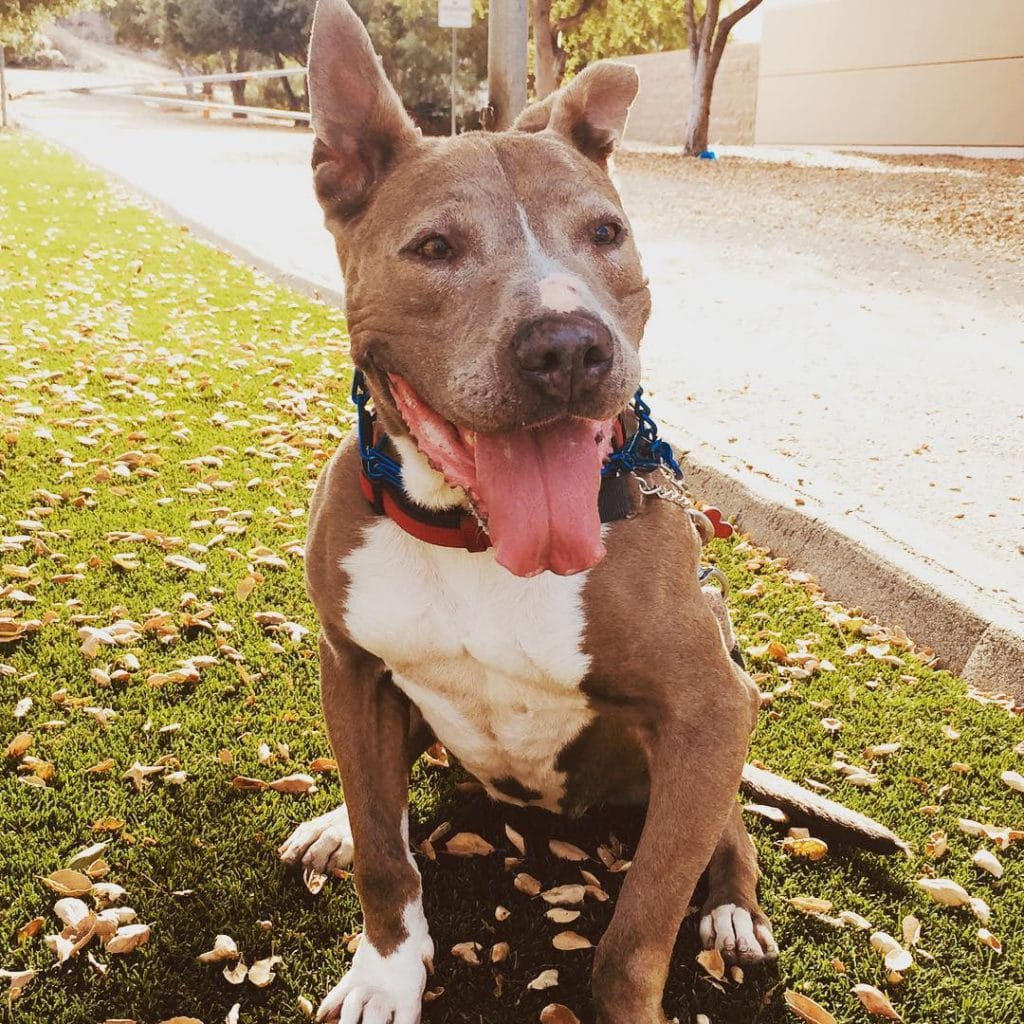
Quick Facts About the German Shepherd Pitbull Mix
| Trait | Typical expectation |
|---|---|
| Other names | Shepherd Pit, German Pit, German Shepherd Pit Mix |
| Size | Usually medium to large; adult size varies by parents |
| Build | Athletic, muscular, deep-chested, and powerful |
| Coat | Short to medium coat; shedding can be moderate to heavy |
| Energy level | High for many adults |
| Temperament | Often loyal, alert, intelligent, active, and people-oriented |
| Training needs | Early socialization, leash manners, impulse control, recall, calm greetings |
| Family fit | Best for active homes that can supervise children and manage a strong dog |
| Grooming | Regular brushing; more shedding if the Shepherd coat is inherited |
| Health approach | Vet checkups, healthy weight, joint monitoring, skin/allergy awareness, parent screening where possible |
What Is a German Shepherd Pitbull Mix?
A German Shepherd Pitbull Mix is not a standardized purebred dog. It is a mixed-breed dog with German Shepherd ancestry and a Pitbull-type parent or line. Because “Pitbull” can refer to several bully-type dogs, the Pitbull side may involve American Pit Bull Terrier, American Staffordshire Terrier, Staffordshire Bull Terrier, American Bully, or a similar background.
That variation matters. One Shepherd Pit may look more like a German Shepherd with upright ears, a longer muzzle, and a thicker coat. Another may look broader and shorter-coated with more bully-type influence. The label can help you understand possibilities, but the individual dog’s health, temperament, parent history, and daily behavior matter more than the name alone.
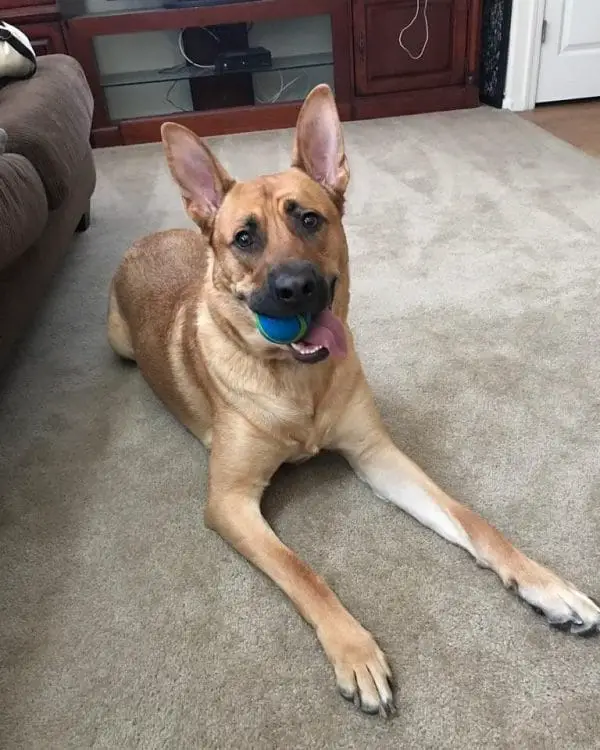
Appearance and Size
Most German Shepherd Pitbull mixes are medium-to-large dogs with athletic bodies. They may have strong shoulders, a deep chest, a muscular neck, alert eyes, and a confident stance. Coat length may be short and smooth, medium and dense, or somewhere between the two parent influences. Colors can include black, tan, brown, sable, brindle, white markings, or mixed patterns.
Adult size depends on parent size, sex, nutrition, health, and growth rate. If you are adopting a puppy, ask for parent weights and photos when possible. If you are adopting an adult, judge the dog in front of you rather than relying on internet averages.
Temperament: What Is a Shepherd Pit Like?
A well-raised Shepherd Pit is often loyal, smart, active, and attached to its family. German Shepherd influence may contribute alertness, trainability, working drive, and environmental sensitivity. Pitbull-type influence may contribute enthusiasm, strength, persistence, and a strong desire to be close to people. Together, those traits can make a fun training partner, but they can also create a dog that is intense without enough structure.
Do not assume this mix will be automatically protective, automatically aggressive, automatically safe, or automatically easy. Behavior is shaped by genetics, early experiences, socialization, training, health, pain, fear, exercise, and management. A responsible owner focuses on prevention: good routines, positive training, secure handling, and appropriate outlets.

Is a German Shepherd Pitbull Mix Good for Families?
A German Shepherd Pitbull Mix can be a good family dog when the household is active, consistent, and realistic. Many are affectionate and enjoy being part of daily family life. The challenge is that this mix can be strong, energetic, jumpy, mouthy, or overly alert if manners and boundaries are ignored.
Good family fit usually means adults can provide daily exercise, children are taught respectful dog handling, and interactions are supervised. Young children should not climb on, tease, startle, or bother the dog while eating, sleeping, or resting. Visiting children and chaotic play need extra supervision because an excited strong dog can knock people over without intending harm.
Training and Socialization
Training should start early and continue through adolescence and adulthood. This mix is often intelligent, but intelligence does not always mean easy. A Shepherd Pit may learn quickly, test boundaries, become frustrated when bored, or react strongly to unclear handling. Use reward-based training, consistent rules, and short sessions that build focus and confidence.
Prioritize name response, loose-leash walking, recall practice, “leave it,” “drop it,” calm greetings, door manners, crate or mat settling, and cooperative care for grooming and vet visits. For leash control, a secure best harness for Pitbulls can be helpful when paired with training, but equipment should never replace manners work.
Socialization should be positive and controlled. The goal is a neutral, confident dog, not a dog forced into crowded dog parks or overwhelming greetings. Introduce different people, surfaces, noises, vehicles, handling, and environments at a pace the dog can handle.
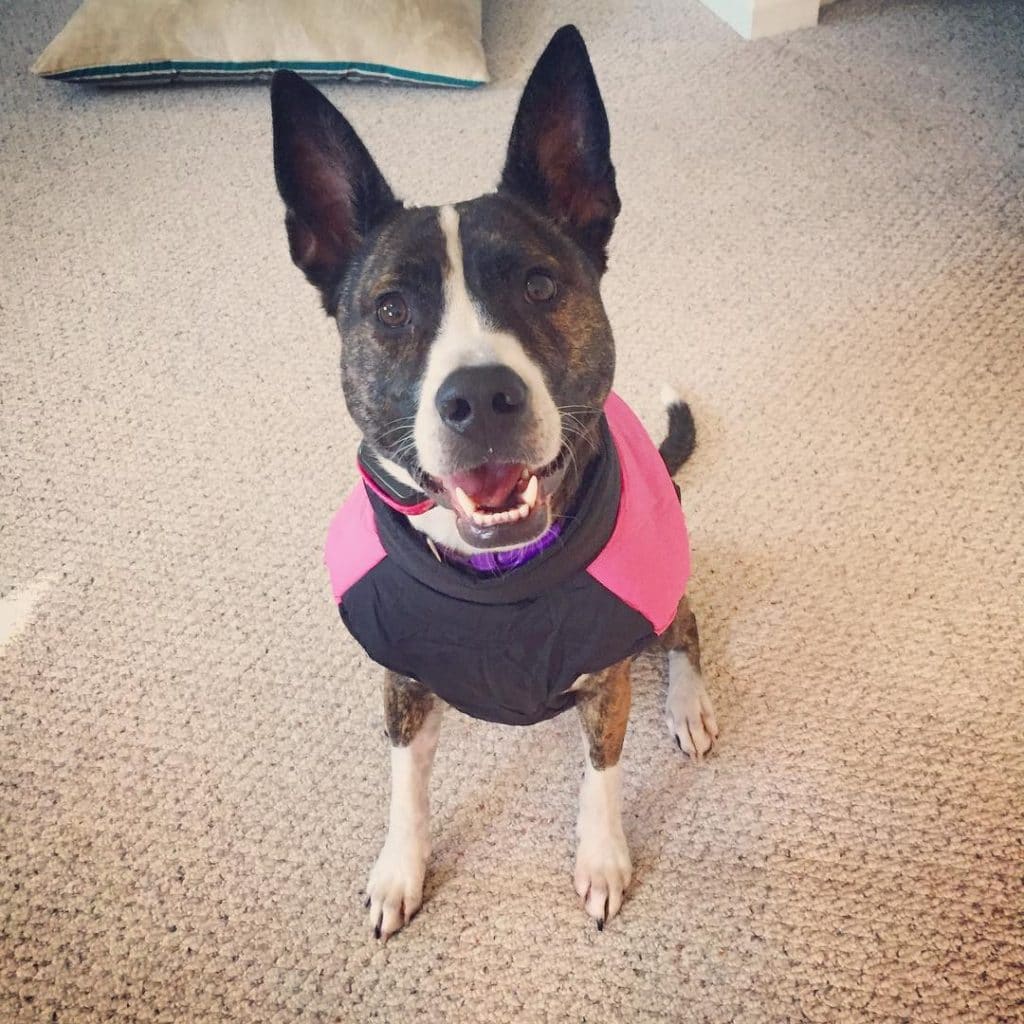
Exercise and Mental Stimulation
Most healthy adult Shepherd Pits need substantial daily exercise plus mental enrichment. A short potty walk is usually not enough. Useful outlets can include brisk walks, hikes, training games, scent games, structured tug, fetch where safe, puzzle feeders, and calm decompression walks. Match exercise to age, weather, conditioning, and health.
Because both parent backgrounds can produce strong, athletic dogs, unmanaged energy can show up as pulling, chewing, digging, barking, fence running, rough play, or destructive behavior. Puppies should not be pushed into forced running, and senior or overweight dogs may need a veterinarian-guided plan.
Grooming and Shedding
Grooming depends on the inherited coat. A shorter coat may need weekly brushing, while a denser Shepherd-style coat may need brushing several times per week and more work during shedding seasons. This mix is not a reliable choice for owners who need a low-shedding or hypoallergenic dog.
Routine care should include nail trims, tooth brushing or vet-approved dental care, ear checks, skin checks, and bathing as needed without over-drying the coat. Watch for itching, hot spots, ear odor, paw licking, or skin irritation, especially if the dog has allergy tendencies.
Feeding and Weight Management
Feed a complete and balanced diet appropriate for the dog’s life stage, size, body condition, and activity level. Active dogs need enough calories to maintain muscle and energy, but overfeeding can still cause obesity and joint strain. Measured meals are often better than free-feeding.
If you are comparing bully-type nutrition basics, our best dog food for Pitbulls guide can give more context. Dogs with allergies, digestive issues, unexplained weight changes, heart concerns, or medical conditions should have diet changes discussed with a veterinarian.
Health Risks to Discuss With Your Veterinarian
A mixed-breed dog can inherit risks from either parent line. A German Shepherd Pitbull Mix is not guaranteed to develop these problems, but responsible owners should know what to watch for and what records to ask about.
- Hip or elbow problems, especially in athletic medium-to-large dogs.
- Skin allergies, itchiness, hot spots, or ear irritation.
- Digestive sensitivity or food-related issues.
- Dental disease.
- Obesity and joint strain.
- Injuries from rough play, overexertion, or poor leash control.
- Behavior changes related to pain, fear, or untreated health problems.
Ask rescues or breeders for available veterinary records, parent health history, and screening information. Routine exams, parasite prevention, dental care, weight control, and early attention to limping, itching, or sudden behavior changes are more useful than guessing health from appearance.
Pros and Cons of the German Shepherd Pitbull Mix
Pros
- Often loyal, affectionate, and attached to family.
- Can be highly trainable with consistent positive methods.
- Athletic enough for active owners, hiking, and training games.
- Often alert and engaged with the household.
- Can be a strong companion for owners who enjoy structured routines.
Cons
- Exercise and training needs can be too much for inactive homes.
- May shed heavily if the Shepherd coat is inherited.
- Strength requires leash manners and impulse control.
- May become overly alert, frustrated, or reactive without good management.
- May face housing, insurance, or local breed-rule restrictions.
Right-Owner Checklist
This mix may be right for you if you can provide daily exercise, consistent training, secure handling, socialization, grooming, and routine veterinary care. You should be comfortable managing a strong dog on leash and realistic about housing or insurance restrictions that may affect bully-type or Shepherd-type dogs.
Think carefully before choosing this mix if you work very long hours, dislike shedding, have no training plan, need a low-energy dog, or want a dog that can be trusted off leash without extensive training. Adoption can be a good route because many rescues can describe an adult dog’s real energy, prey drive, and social behavior better than a puppy listing can.
Similar Pitbull Mixes to Compare
If you are deciding between high-energy or powerful Pitbull-type mixes, compare these ABD guides:
- Pitsky guide — useful if you want to compare Husky energy, shedding, vocal behavior, and escape risk.
- Pitweiler guide — compare if you are researching large guardian-style mixes.
- Pitbull Boxer Mix guide — another athletic family-oriented mix with high exercise needs.
- Pitbull Lab Mix guide — compare if you want an active retriever-influenced family dog.
FAQs About the German Shepherd Pitbull Mix
Is a German Shepherd Pitbull Mix a good family dog?
It can be a good family dog in the right home. Many Shepherd Pits are loyal, affectionate, and eager to be involved with family routines. The important part is that adults must provide training, exercise, supervision, and structure.
Families with young children should supervise play and teach respectful dog handling. A strong, excited dog can knock over kids or become mouthy during rough play even when it is friendly. Good manners and calm routines matter more than breed labels.
How big does a German Shepherd Pitbull Mix get?
Most are medium-to-large dogs, but exact size varies because this is not a standardized breed. Parent size, sex, nutrition, health, and growth rate all affect adult weight and height.
If you are adopting a puppy, ask about the parents when possible. If you are adopting an adult, rely on the dog’s actual size, body condition, and veterinary guidance rather than online averages.
Are German Shepherd Pitbull mixes aggressive?
They should not be labeled automatically aggressive or automatically safe. Behavior depends on genetics, early handling, socialization, training, health, fear, pain, exercise, and management.
A responsible owner prevents problems by using positive training, controlled introductions, secure containment, supervision around children and pets, and veterinary care if behavior suddenly changes. Avoid anyone who sells fear-based stereotypes or guarantees.
Are Shepherd Pits easy to train?
They can be very trainable, but they are not always easy. Many are smart and motivated, but they may also be strong, alert, intense, or easily frustrated without clear routines.
Use rewards, consistent rules, short sessions, and daily practice. Focus on leash manners, recall, impulse control, calm greetings, and cooperative care. If fear, reactivity, or severe pulling appears, work with a qualified positive-reinforcement trainer early.
Can this mix live with other pets?
Some Shepherd Pits live peacefully with other dogs or cats, but it depends on the individual dog, prey drive, socialization, introductions, and household management. Do not assume compatibility based only on breed mix.
Use slow introductions, barriers when needed, separate feeding spaces, and supervision until you know the dog well. Be extra cautious around small animals, visiting dogs, and high-arousal play.
How much exercise does a German Shepherd Pitbull Mix need?
Most healthy adults need daily physical activity and mental enrichment. Walks, hikes, training games, sniffing, puzzle feeders, and structured play can all help. The exact amount depends on age, health, conditioning, and temperament.
If the dog is destructive, restless, or pulling constantly, the answer is not just “more exercise.” It may need a better mix of training, sleep, structure, enrichment, and management.
Do German Shepherd Pitbull mixes shed?
Many do shed, especially if they inherit a denser German Shepherd-style coat. A shorter coat may shed less, but this mix should not be considered reliably low-shedding.
Regular brushing, nail care, dental care, ear checks, and skin monitoring should be part of the routine. If allergies are a major concern in your household, meet the individual dog and talk with a veterinarian or allergist before committing.
What health problems can this mix inherit?
Possible concerns include hip or elbow problems, skin allergies, ear irritation, dental disease, obesity, digestive issues, and injuries related to high activity. These are possibilities, not guarantees.
Ask for health records and parent screening information when available. Keep up with routine veterinary care and ask your vet about lameness, chronic itching, sudden weight changes, or behavior changes.
Is this mix good for first-time owners?
Some first-time owners can succeed with an adult Shepherd Pit if they are active, patient, and willing to learn. However, this mix is often easier for people who already understand strong, energetic dogs.
If you are a first-time owner, consider adopting an adult dog with known behavior from a rescue that can explain the dog’s energy level, pet compatibility, leash manners, and training needs. Budget for a qualified trainer if you choose this mix.