
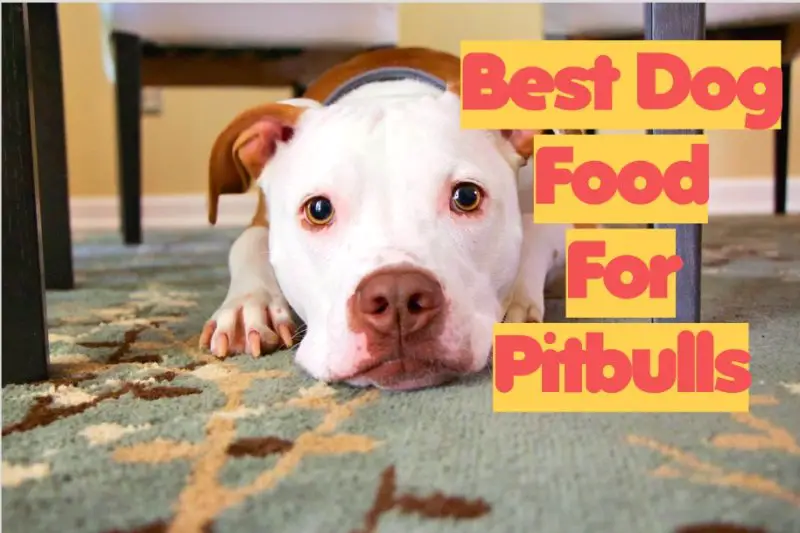
Pitbull-type dogs are often muscular, active companions, but there is no single food that is automatically best for every pitbull. The right choice depends on your dog's age, weight, activity level, body condition, allergies, and any medical conditions. A growing puppy needs different nutrition than an adult couch companion or a highly active dog.
In this updated guide, compare dog foods that may fit common pitbull needs—such as puppy growth, active adult maintenance, sensitive digestion, and budget-friendly feeding. Use the product list as a starting point, then verify each label's current AAFCO nutritional adequacy statement, calories, and ingredient list before buying. If your dog is overweight, has allergies, heart disease, kidney disease, pancreatitis, or is pregnant or nursing, ask your veterinarian before changing diets.
Affiliate disclosure: This article may contain affiliate links. If you buy through these links, American Bully Daily may earn a commission at no extra cost to you.
How We Chose These Picks
We focused on practical factors owners can verify before buying:
- AAFCO nutritional adequacy statement for the intended life stage.
- Appropriate protein, fat, calories, and ingredient profile for common pitbull needs.
- Clear feeding directions and calorie information on the label.
- Practical availability, packaging sizes, and budget considerations.
- Owner-use cases: puppy, active adult, sensitive stomach, weight management, and high-calorie needs.
Quick Picks: Best Dog Food for Pitbulls
| Category | Product | Why It May Fit | Check Before Buying |
|---|---|---|---|
| Best overall adult option | CANIDAE Grain-Free PURE Dry Dog Food | Limited-ingredient style may suit some sensitive dogs | Current formula, AAFCO statement, calories, legumes/pulses placement |
| Best for active dogs | Bully Max High-Performance Super Premium Dog Food | Calorie-dense positioning may suit very active adult dogs | kcal/cup, fat level, suitability for body condition |
| Best puppy option | Muscle Bully Puppy Naturals | Current article lists it for growing puppies | AAFCO growth statement and large-breed puppy suitability |
| Best high-protein option | ORIJEN Dry Dog Food | High animal-protein positioning | Grain-free/legume profile and vet suitability |
| Best budget/availability option | Taste of the Wild Grain-Free High Protein | Widely known and available | Current label, formula, AAFCO statement, DCM discussion context |
What Pitbull Owners Should Look For on a Dog Food Label
Choose a food that is complete and balanced for your dog's life stage. The AAFCO statement should match your dog: growth/puppy, adult maintenance, all life stages, or gestation/lactation. For larger pitbull-type puppies, ask your veterinarian whether a large-breed puppy formula is more appropriate.
Protein matters, but it is only one part of the decision. Many active adult pitbull-type dogs do well on complete-and-balanced diets with adequate animal protein, but calories, fat, fiber, digestibility, and body condition matter just as much. A dog that is gaining excess weight may need fewer calories—not simply more protein.
Grain-Free and DCM: What to Know
Grain-free food is not automatically better for pitbulls, and grain is not automatically the cause of allergies. The FDA has investigated reports of non-hereditary dilated cardiomyopathy in dogs eating diets that often included pulses such as peas and lentils high in the ingredient list. This does not prove every grain-free food causes DCM, but it is a reason to talk with your veterinarian before using a grain-free or legume-heavy diet long term.
How Much Should You Feed a Pitbull?
Start with the feeding chart on the bag or can, then adjust based on your dog's body condition and your veterinarian's advice. Portion needs vary by current weight and ideal weight, age, neuter/spay status, activity level, treat intake, and health conditions.
A practical rule for owners: measure meals with a real measuring cup or kitchen scale, keep treats under control, and reassess weight/body condition every 2–4 weeks after a diet change.
Puppy vs Adult vs Senior Pitbull Feeding
- Puppies: Need a growth-appropriate AAFCO statement and controlled calories for steady development. Do not feed adult maintenance food unless your vet recommends it.
- Adults: Need maintenance calories matched to activity. Athletic dogs may need more calories; less-active dogs may need weight-management support.
- Seniors: May need calorie adjustments, joint-support discussions, dental-friendly textures, or disease-specific diets chosen with a veterinarian.
Foods Pitbulls Should Avoid
Avoid or strictly limit foods known to be unsafe for dogs, including chocolate, grapes/raisins, xylitol-containing products, alcohol, cooked bones, excessive fatty scraps, and large amounts of onion/garlic. If your dog eats something questionable, contact your veterinarian or pet poison hotline promptly.
FAQ
What is the best dog food for pitbulls?
The best food is complete and balanced for your dog's life stage and fits their weight, activity, and health needs. Active adults may need more calories than sedentary dogs, while overweight dogs may need a calorie-controlled diet.
Do pitbulls need high-protein food?
Many active pitbull-type dogs do well with adequate animal protein, but high protein alone does not make a food better. Calories, fat, digestibility, life stage, and medical needs matter too.
Is grain-free food good for pitbulls?
Grain-free is not automatically better. Discuss grain-free or legume-heavy diets with your veterinarian, especially if your dog has heart-health concerns or no confirmed grain allergy.
What should I feed a pitbull puppy?
Choose a food with an AAFCO statement for growth or all life stages. For larger puppies, ask your vet about large-breed puppy nutrition and appropriate growth rate.
How do I know if my pitbull is eating too much?
Watch body condition. If you cannot feel ribs easily under a light fat covering, or your dog is gaining weight, reduce treats and ask your vet about calories.
Safety Note
This guide is for general education and product comparison only. It is not veterinary nutrition advice. Before changing your pitbull's diet—especially for puppies, seniors, pregnant/nursing dogs, overweight dogs, or dogs with allergies, kidney disease, pancreatitis, heart disease, or other medical conditions—ask your veterinarian which AAFCO life-stage statement, calorie level, and ingredients are appropriate.