
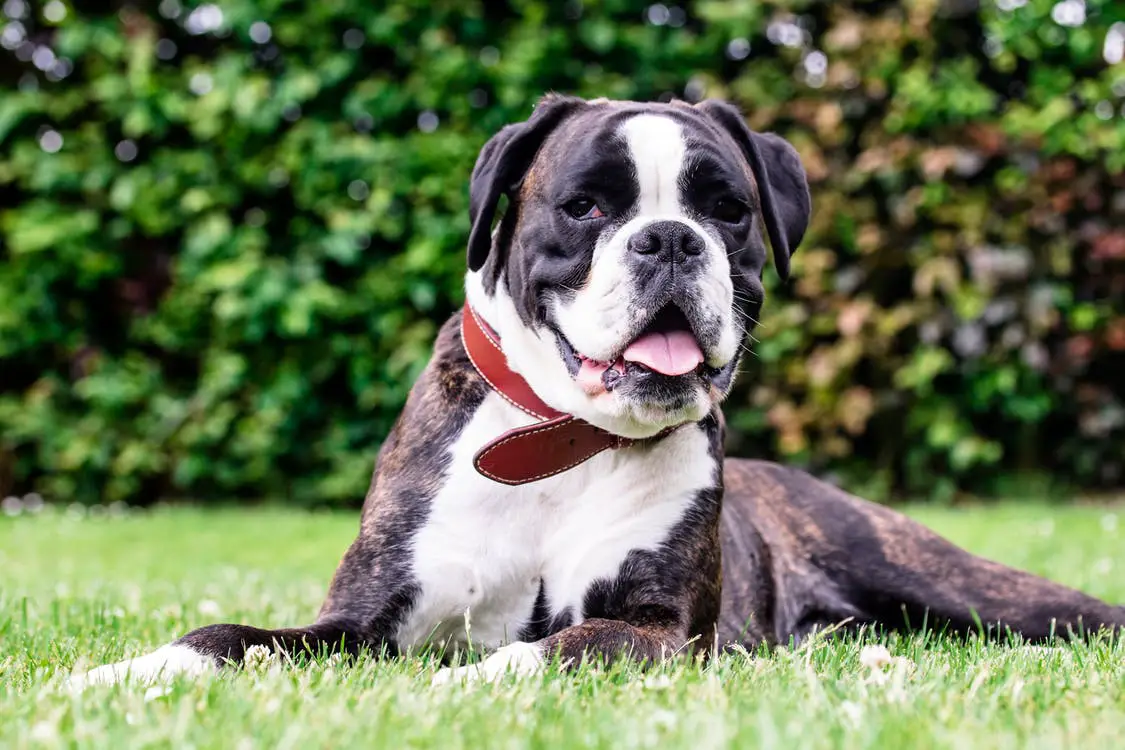
The Pitbull Bulldog Mix, often called a Bullypit, is a stocky, people-focused mixed-breed dog with Pitbull-type and Bulldog influence. Many are affectionate, sturdy, playful, and loyal, but they also need responsible weight management, heat awareness, skin care, training, and realistic expectations.
This guide fits into our main Pitbull mix comparison hub and helps you decide whether the Bullypit is a good match for your home, activity level, climate, and experience with bully-type dogs.
Quick Answer: What is a Pitbull Bulldog Mix like?
A Pitbull Bulldog Mix is usually a medium, muscular, companion-oriented dog that may be playful, strong, affectionate, and stubborn. The Pitbull-type side can add athleticism and enthusiasm, while Bulldog influence may add a heavier build, shorter muzzle, heat sensitivity, skin-fold concerns, or a calmer indoor style.
This mix is best for owners who can manage a strong dog kindly and consistently while keeping weight, breathing comfort, and heat safety in mind. It is not a good choice for owners who want an outdoor-only dog or a dog that can exercise hard in hot weather.
Quick Facts About the Pitbull Bulldog Mix
| Trait | Typical expectation |
|---|---|
| Other names | Bullypit, Bulldog Pitbull Mix, Pit Bulldog |
| Size | Usually medium and muscular; parent size matters |
| Coat | Short, smooth, and easy to brush |
| Energy level | Moderate to high depending on build and age |
| Family fit | Often affectionate, but supervision and training still matter |
| Main care concerns | Weight, heat, skin, breathing comfort, joints, dental care |
What Is a Pitbull Bulldog Mix?
A Bullypit is not a standardized purebred dog. It is a mixed dog with Bulldog ancestry and a Pitbull-type parent or line. The Bulldog side may involve English Bulldog or another Bulldog-type background, while the Pitbull side may involve American Pit Bull Terrier, American Staffordshire Terrier, American Bully, or similar ancestry.
Because parent types vary, one Bullypit may be athletic and longer-legged, while another may be heavier, lower, and more Bulldog-like. Evaluate the individual dog’s breathing, mobility, temperament, skin, weight, and daily behavior rather than relying only on the label.

Appearance and Size
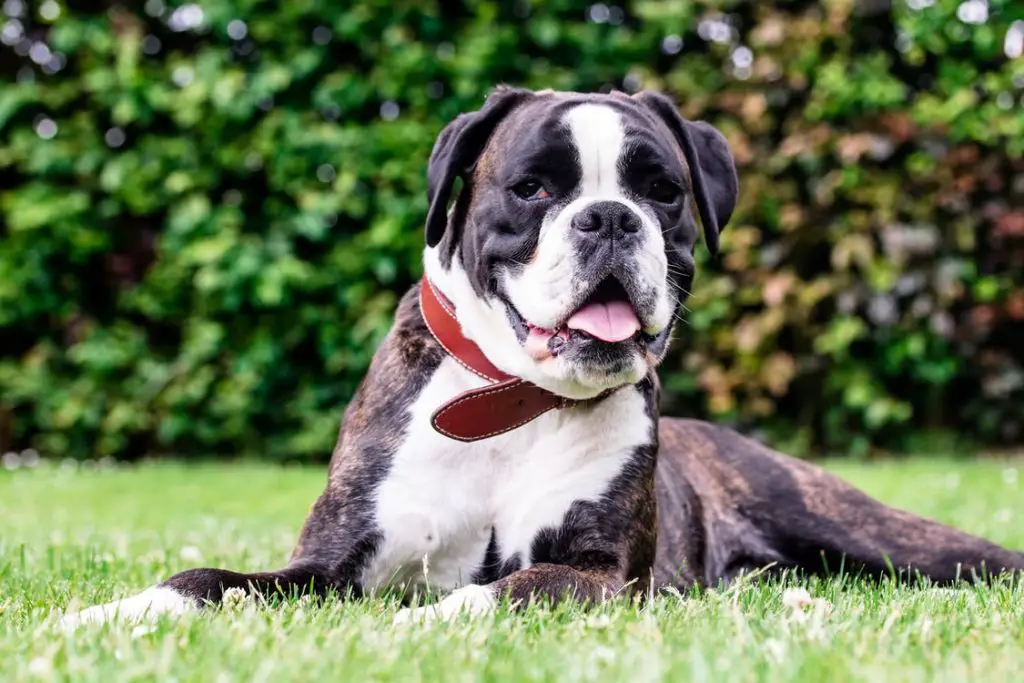
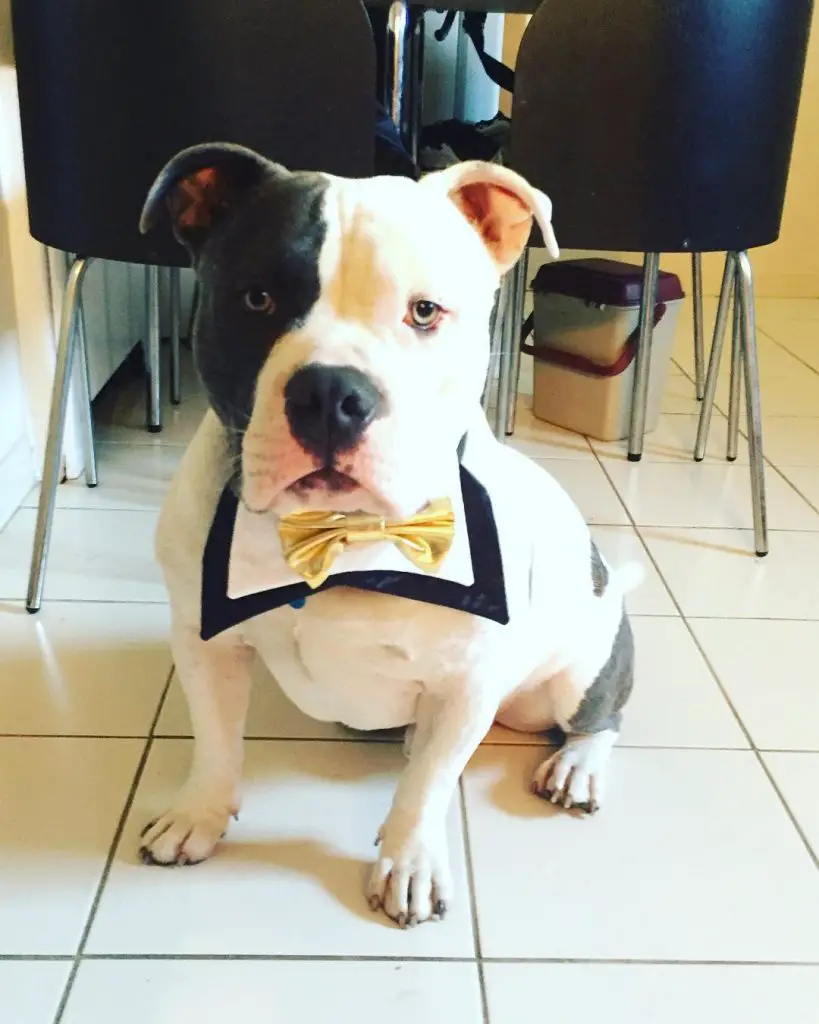
Many Pitbull Bulldog mixes have broad heads, muscular shoulders, short coats, and sturdy bodies. Some have a longer muzzle and athletic frame, while others inherit a flatter face, heavier front, loose skin, or a more compact body. Coat colors can include white, brindle, fawn, black, brown, blue, patches, or mixed markings.
Body structure matters for health. A dog with a shorter muzzle, heavy body, or skin folds may need extra care in hot weather and more monitoring for skin irritation.
Temperament and Family Fit
Many Bullypits are affectionate with their people and enjoy being part of household routines. They may be playful, goofy, confident, sensitive, or stubborn. Good family fit depends on training, socialization, supervision, and the dog’s individual personality.
Children should be taught not to climb on, tease, or crowd the dog. A stocky friendly dog can still knock over children or become too excited during rough play. Calm greetings and supervised interaction are important.

Training and Socialization
Training should focus on leash manners, calm greetings, recall, leave it, drop it, crate or mat settling, and cooperative care. Use reward-based methods and keep practice short, clear, and consistent.
Socialization should build calm confidence around people, dogs, noises, handling, vehicles, and vet-style exams. Do not force overwhelming dog-park interactions. The goal is a stable dog that can ignore distractions, not a dog that must greet everyone.
Exercise and Heat Safety
Exercise needs vary. A more athletic Bullypit may enjoy long walks and training games, while a more Bulldog-influenced dog may tire quickly or struggle in heat. Watch breathing, recovery time, temperature, humidity, and body condition.
Avoid hard exercise during hot weather. Provide shade, water, breaks, and indoor cooling. If the dog is noisy-breathing, collapsing, vomiting, disoriented, or unable to cool down, treat it as urgent and contact a veterinarian.
Grooming, Skin, and Coat Care
The short coat is usually simple to brush, but skin care can be important. Check for redness, odor, itching, paw licking, ear irritation, hot spots, and moisture trapped in folds. Bathing too often can dry the skin, so use gentle products and ask your vet if chronic itching appears.
Regular nail trims, dental care, ear checks, and skin-fold cleaning when needed should be part of the routine.
Feeding and Weight Management
Weight control is critical for this mix. Extra weight can worsen heat intolerance, joint strain, breathing effort, and skin-fold issues. Feed measured meals and adjust calories to body condition, age, activity, and veterinary advice.
If you need bully-type food context, compare our best dog food for Pitbulls guide, but use your veterinarian for medical diet decisions, allergies, obesity plans, or digestive problems.
Health Risks to Discuss With Your Veterinarian
Possible concerns include skin allergies, ear infections, obesity, joint problems, dental disease, heat intolerance, breathing comfort issues in shorter-muzzled dogs, and eye or skin-fold irritation. Mixed breeding does not erase health risks.
Ask about parent health, veterinary records, and screening where possible. Watch for limping, chronic itching, ear odor, coughing, noisy breathing, heat distress, sudden weight gain, or reluctance to exercise.
Pros and Cons
Pros
- Often affectionate and people-focused.
- Usually sturdy and playful.
- Short coat is easy to maintain.
- Can fit active families that understand bully-type care.
Cons
- Can be stubborn without consistent training.
- Heat, weight, skin, and breathing comfort need attention.
- May face housing or insurance restrictions.
- Not ideal for outdoor-only living or hot-weather exertion.
Similar Mixes to Compare
Compare the Bulldog mixes guide if you want more Bulldog-influenced options. The American Bully dog breed guide helps with bully-type comparisons, while the Pitbull Boxer Mix guide is useful for a more athletic family-dog comparison. For smaller bully-type mixes, review the Pocket Pitbull guide and Pitbull Pug Mix guide.
FAQs About the Pitbull Bulldog Mix
Is a Pitbull Bulldog Mix a good family dog?
It can be a good family dog when raised with structure, supervision, and training. Many are affectionate and people-oriented, but size, strength, excitement, and stubbornness still need management.
Families should supervise children, teach respectful handling, and avoid rough play that encourages jumping or mouthiness.
Does a Bullypit overheat easily?
Some do, especially dogs with a shorter muzzle, heavy body, poor conditioning, or excess weight. Heat risk depends on structure, climate, humidity, fitness, and activity.
Exercise during cooler times, provide water and shade, and avoid forcing hard activity in hot weather.
How big does a Pitbull Bulldog Mix get?
Most are medium and muscular, but adult size varies by parent size and body type. Some are compact and heavy, while others are taller and more athletic.
Plan for a strong adult dog and prioritize leash manners early.
Are Bullypits aggressive?
No mix should be judged automatically by its name. Behavior depends on genetics, socialization, training, health, pain, fear, and management.
Responsible owners use controlled introductions, positive training, supervision, and secure handling.
What health issues should I watch for?
Watch for skin allergies, ear irritation, obesity, joint stiffness, dental disease, heat intolerance, and breathing discomfort. Ask your vet about any chronic itching, limping, coughing, noisy breathing, or sudden behavior changes.
Healthy weight, routine exams, and early treatment are especially important for stocky dogs.