
| Bull-Boxer | High | Active families |
|---|---|---|
| Englishweiler | Low to moderate | Owners with space |
| Bull-Aussie | High | Experienced active owners |
| Bea-Bull | Moderate | Families wanting playful companionship |
| Miniature Bulldog / Bullpug | Low to moderate | Apartment homes, with health caution |
| English Bull Springer | High | Outdoor families |
| Bull Jack | High | Terrier-savvy owners |
| Bullador | Moderate to high | Active family homes |
| Bullhuahua | Moderate | Small-dog owners who like big personality |
| English Boodle | Moderate | Owners wanting a smart companion |
| English Bullpit | Moderate | Confident, responsible owners |
| English Frenchie | Low to moderate | Calm homes, with breathing caution |
| Bullkita | Moderate | Experienced owners |
| Catahoula Bulldog | High | Working-dog homes |
| English Bull Shepherd | Moderate to high | Training-focused owners |
| English BullCorgi | Moderate | Families who like smart, sturdy dogs |
| Bully Basset | Low to moderate | Relaxed homes |
| Mountain Bulldog | Moderate | Homes with space |
| Bully-Tzu | Low to moderate | Small companion homes |
| BullDach | Moderate | Patient owners |
| Bull Mastiff | Low to moderate | Large-dog homes |
1. Bull-Boxer: English Bulldog + Boxer
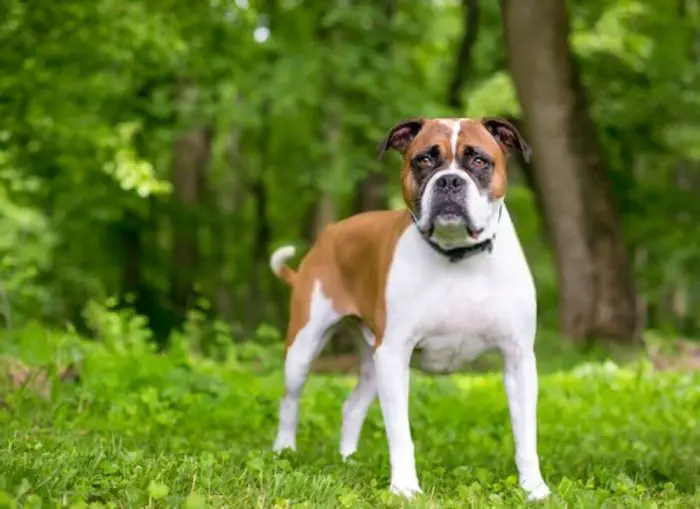
The Bull-Boxer blends the Bulldog’s sturdy, affectionate nature with the Boxer’s athletic, playful personality. This mix is usually medium to large and may be taller, leaner, and more energetic than an English Bulldog.
Best for: Active owners who want a loyal, goofy companion. Watch-outs: Exercise needs, jumping, boredom, and possible flat-faced breathing issues.
Because Boxers are energetic working dogs, a Bull-Boxer usually needs daily walks, play, and training. A short stroll may not be enough. If this mix inherits a flatter face, avoid hard exercise in hot or humid weather.
2. Englishweiler: English Bulldog + Rottweiler
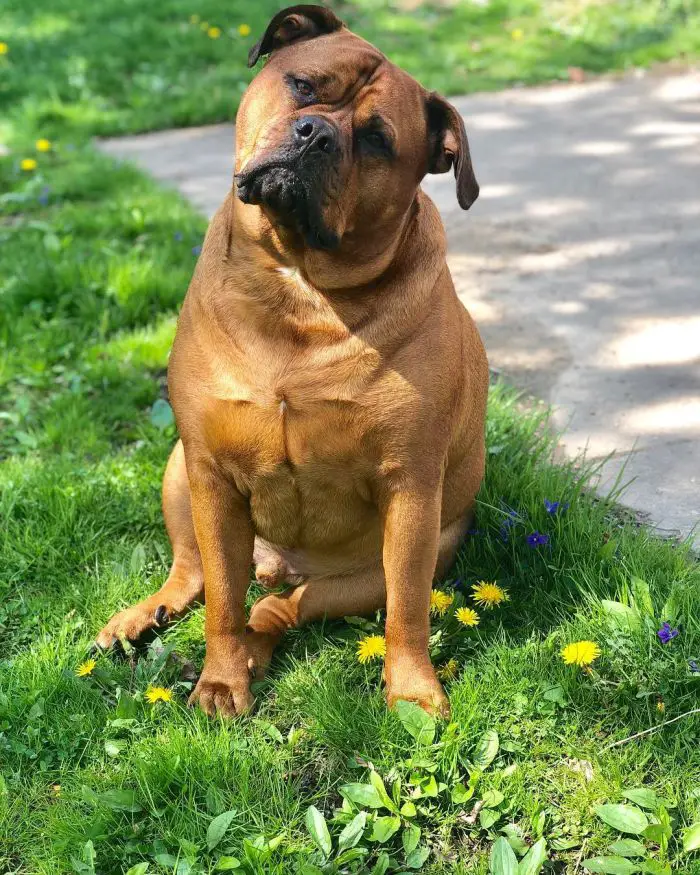
The Englishweiler is a large, strong Bulldog-Rottweiler mix that may be loyal, cuddly, protective, and stubborn. This is not usually the best choice for a tiny apartment or a first-time owner who is uncomfortable managing a powerful dog.
Best for: Families with space and consistent training habits. Watch-outs: Size, strength, joint stress, and stubbornness.
Early socialization is important. Reward-based training should start young so this mix learns polite manners before it becomes too strong to manage easily.
3. Bull-Aussie: English Bulldog + Australian Shepherd
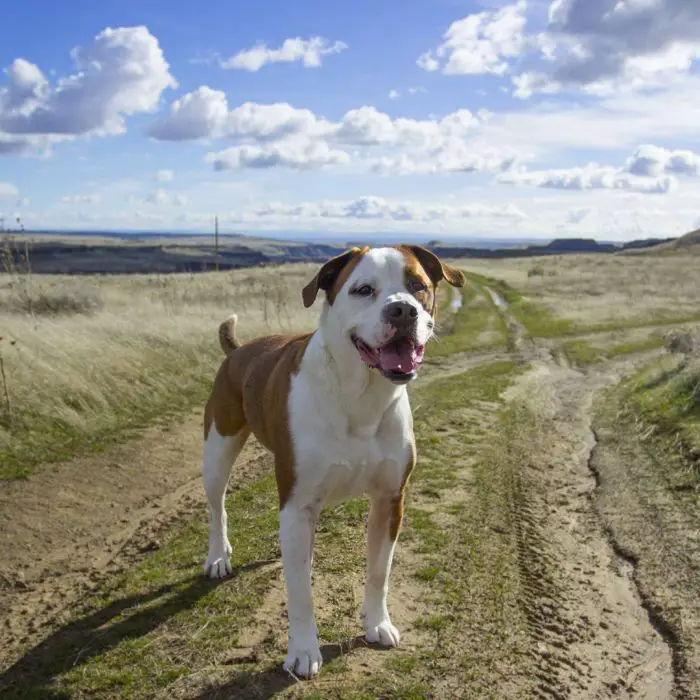
The Bull-Aussie can be a smart, energetic, and sometimes headstrong dog. The Australian Shepherd side may bring herding instincts, high intelligence, and a need for mental work.
Best for: Active owners who enjoy training. Watch-outs: Boredom, chasing/herding behavior, hip issues, eye concerns, and stubborn streaks.
This is not a lazy Bulldog in a merle coat. A Bull-Aussie may need structured exercise, puzzle toys, obedience games, and a job to do.
4. Bea-Bull: English Bulldog + Beagle

The Bea-Bull is a Bulldog-Beagle mix that often makes a friendly, playful family companion. Many Bea-Bulls are medium-sized, affectionate, and social.
Best for: Families wanting a cheerful, medium-energy dog. Watch-outs: Nose-driven wandering, stubborn training moments, and weight gain.
The Beagle side can add curiosity and scent-drive. Keep this mix on leash or in a secure yard, and use food rewards carefully so it does not become overweight.
5. Miniature Bulldog / Bullpug: English Bulldog + Pug

This compact Bulldog-Pug mix can be charming, funny, and apartment-friendly in size. However, it is one of the mixes that deserves the most health caution because both parent breeds are flat-faced.
Best for: Calm homes prepared for proactive health management. Watch-outs: Breathing problems, overheating, eye issues, snoring, and weight gain.
A Bullpug may be adorable, but do not choose one just because it is small. Ask about breathing, heat tolerance, nostril structure, eye health, and veterinary history. Use a harness instead of a neck collar if breathing sensitivity is present.
6. English Bull Springer: English Bulldog + English Springer Spaniel

The English Bull Springer can be livelier and more athletic than a pure Bulldog. The Springer Spaniel side may add enthusiasm, friendliness, and a love for outdoor activity.
Best for: Families who want a playful dog and can provide daily exercise. Watch-outs: Ear care, activity needs, and coat maintenance.
This mix may enjoy walks, fetch, training games, and family adventures. Keep ears clean and dry, especially if the dog inherits floppy Spaniel ears.
7. Bull Jack: English Bulldog + Jack Russell Terrier
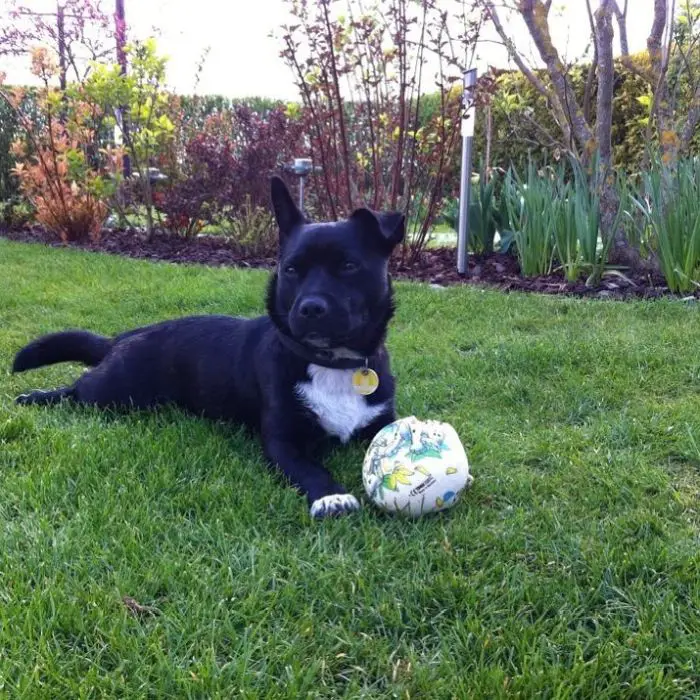
The Bull Jack is small to medium in size but often big in personality. Jack Russell Terriers are energetic, clever, and bold, so this mix may be much more active than people expect.
Best for: Terrier-savvy owners who like a funny, busy dog. Watch-outs: Digging, chasing, barking, stubbornness, and high exercise needs.
A Bull Jack needs boundaries and enrichment. Without enough activity, it may invent its own entertainment.
8. Bullador: English Bulldog + Labrador Retriever
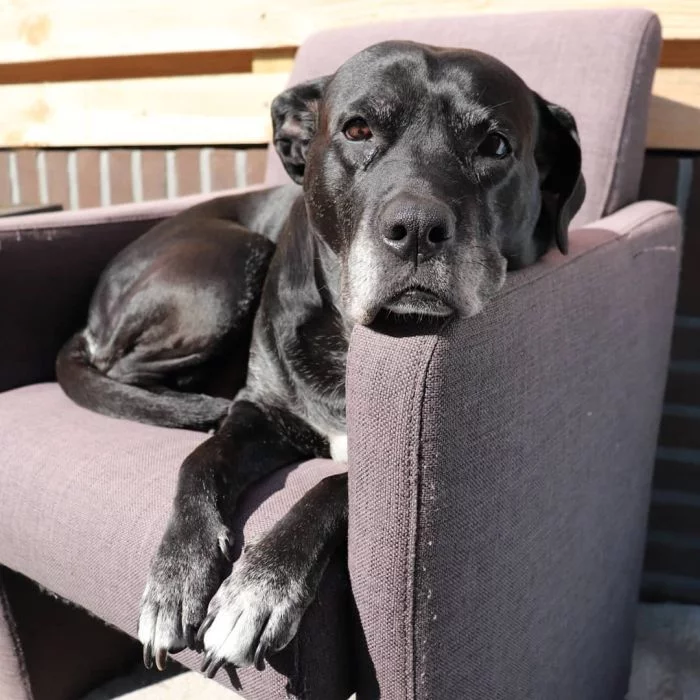
The Bullador mixes Bulldog loyalty with the Labrador Retriever’s friendly, outgoing nature. Many Bulladors are medium to large, sturdy, and affectionate.
Best for: Active families who want a social companion. Watch-outs: Weight gain, chewing, jumping, and higher exercise needs.
The Labrador side can make this mix more trainable and energetic than a Bulldog. If you like Lab-type dogs, you may also enjoy our Pitbull Lab mix guide for comparison.
9. Bullhuahua: English Bulldog + Chihuahua

The Bullhuahua is a small-to-medium mix with a big personality. Depending on which parent dominates, this dog may be compact, alert, loyal, and sometimes sassy.
Best for: Owners who want a smaller Bulldog-style companion. Watch-outs: Fragile small-dog structure, dental care, barking, and socialization.
Because of the size difference between parent breeds, ethical breeding matters. Look for a responsible breeder or consider rescue rather than chasing extreme designer-dog claims.
10. English Boodle: English Bulldog + Poodle

The English Boodle combines the Bulldog with a Poodle. This mix may be smart, affectionate, and lower-shedding than some Bulldog mixes, but the coat is not guaranteed.
Best for: Owners who want a trainable companion and can handle grooming. Watch-outs: Coat maintenance, ear care, and unrealistic hypoallergenic claims.
No Bulldog mix is guaranteed hypoallergenic. A Boodle may inherit a curly Poodle-like coat, a shorter Bulldog coat, or something in between.
11. English Bullpit: English Bulldog + Pitbull
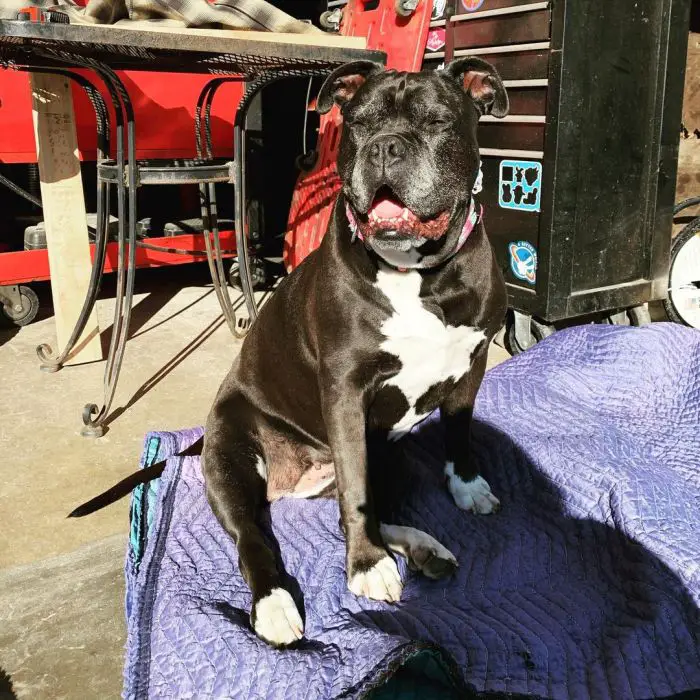
The English Bullpit is a strong, loyal, affectionate mix between an English Bulldog and a Pitbull-type dog. It may be muscular, people-focused, and playful.
Best for: Responsible owners who prioritize training, socialization, and exercise. Watch-outs: Strength, breed restrictions, poor breeding, and public misconceptions.
For a closer look at a related cross, see our full Pitbull Bulldog mix guide.
12. English Frenchie: English Bulldog + French Bulldog

The English Frenchie combines two beloved companion breeds. It may be compact, affectionate, silly, and easy to love. It also needs serious breathing and heat-safety awareness because both breeds are brachycephalic.
Best for: Calm homes that can manage flat-faced dog care. Watch-outs: BOAS, overheating, snoring, skin folds, eye issues, and weight gain.
If you are comparing this mix with a pure Frenchie, read our French Bulldog temperament guide.
13. Bullkita: English Bulldog + Akita
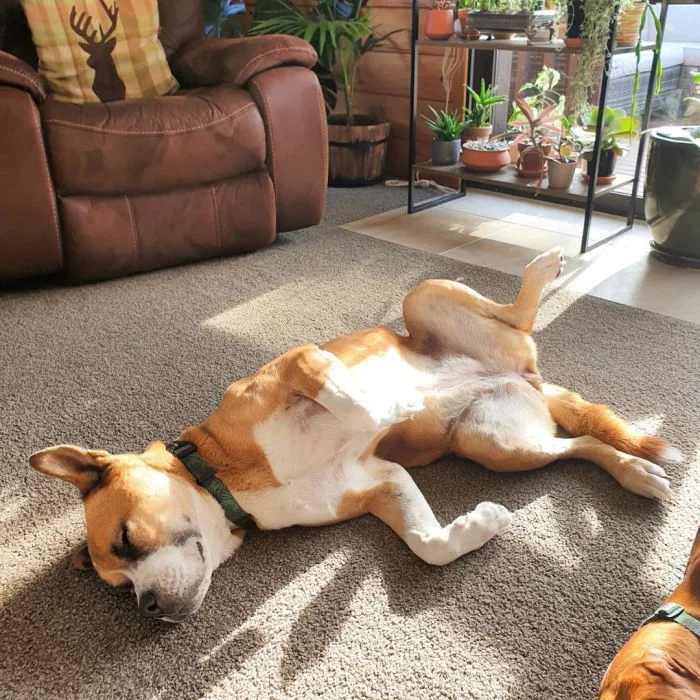
The Bullkita can be powerful, loyal, and independent. Akitas are confident dogs that require experienced handling, and that personality may come through strongly.
Best for: Experienced owners who understand large, independent dogs. Watch-outs: Dog selectivity, guarding instincts, size, and training consistency.
This is not a casual choice for a busy household that cannot commit to structure. Early socialization is essential.
14. Catahoula Bulldog: English Bulldog + Catahoula
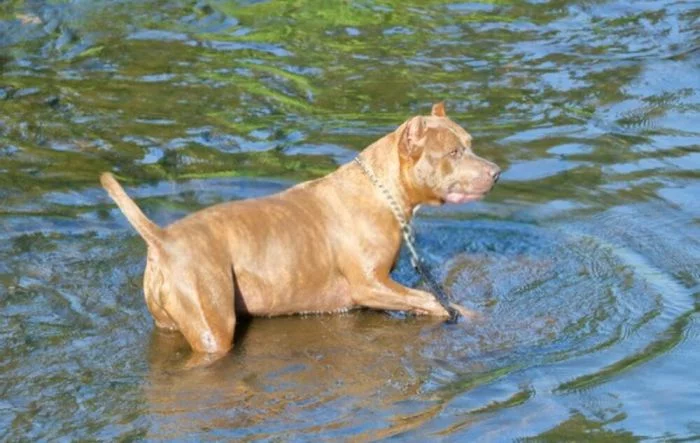
The Catahoula Bulldog is often more athletic and work-driven than many Bulldog mixes. It may be protective, loyal, energetic, and best suited for owners who like active dogs.
Best for: Working-dog homes, rural homes, or experienced active owners. Watch-outs: High energy, prey drive, protectiveness, and training needs.
We have a deeper guide to the Catahoula Bulldog if you want more detail on this specific mix.
15. English Bull Shepherd: English Bulldog + German Shepherd
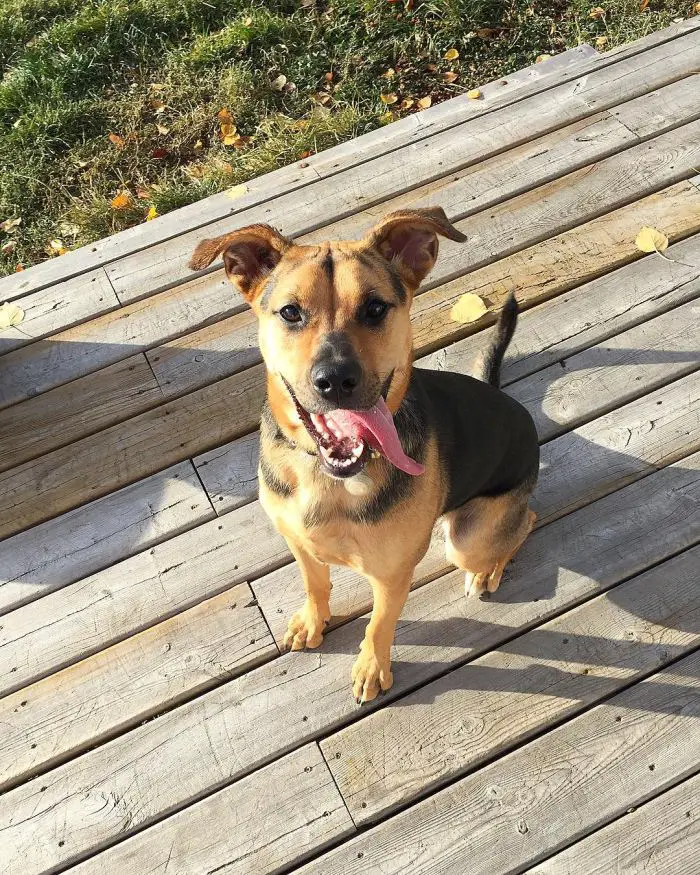
The English Bull Shepherd can vary widely. Some lean stocky and mellow; others inherit the German Shepherd’s intelligence, alertness, and drive.
Best for: Owners who enjoy obedience training and structure. Watch-outs: Shedding, hip/joint concerns, guarding instincts, and mental stimulation.
This mix may be more protective than a typical Bulldog. If you like Shepherd-type crosses, compare it with our German Shepherd Pitbull mix guide.
16. English BullCorgi: English Bulldog + Corgi
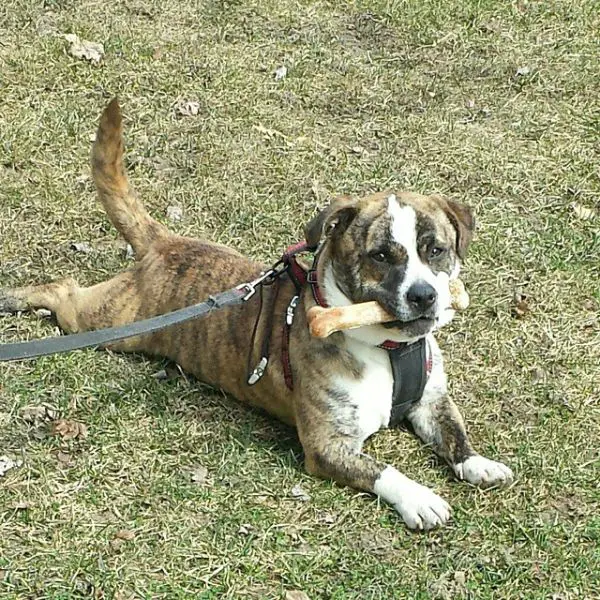
The English BullCorgi is usually a sturdy, short-legged mix with a bright personality. Corgis are herding dogs, so this mix may be more alert and active than expected.
Best for: Families wanting a medium-energy companion. Watch-outs: Back strain, weight control, barking, and herding behavior.
Keep this dog lean. Extra weight can stress short legs and long backs, especially if the dog inherits a Corgi-like body.
17. Bully Basset: English Bulldog + Basset Hound
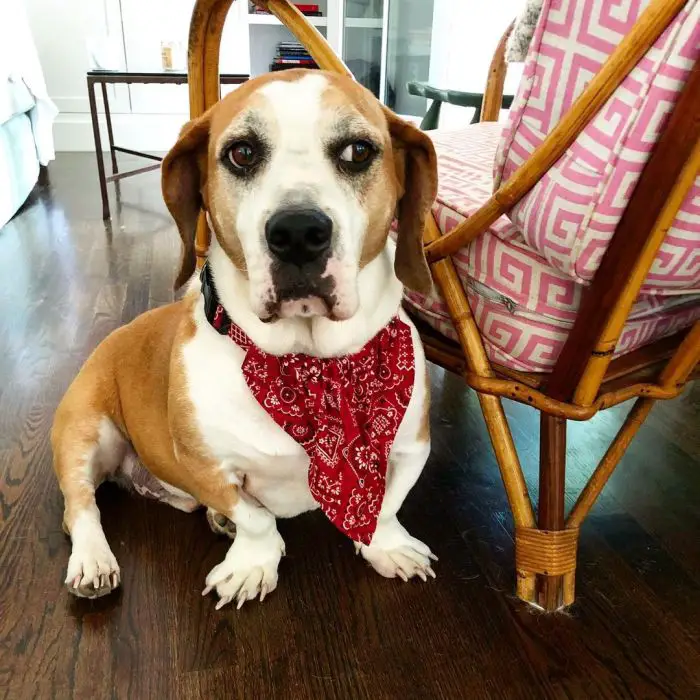
The Bully Basset is often lower-energy, affectionate, and stubborn in a lovable way. It may have a long body, short legs, droopy ears, and a strong nose.
Best for: Relaxed homes that enjoy slow walks and couch time. Watch-outs: Ear infections, back strain, weight gain, and stubborn training.
Use gentle consistency. This mix may not respond well to pressure, but it often responds to patience and food rewards.
18. Mountain Bulldog: English Bulldog + Bernese Mountain Dog

The Mountain Bulldog is usually a large, affectionate mix that may be calmer than some working crosses but still needs space and daily movement.
Best for: Homes with room for a big companion. Watch-outs: Shedding, drool, joint issues, heat sensitivity, and large-dog costs.
This mix may inherit the Bernese Mountain Dog’s gentle nature, but size alone makes training and health management important.
19. Bully-Tzu: English Bulldog + Shih Tzu

The Bully-Tzu can be a small-to-medium companion dog with a sweet personality. Because Shih Tzus are also flat-faced, this mix may still carry breathing and heat risks.
Best for: Owners wanting a smaller companion. Watch-outs: Coat care, eye issues, breathing concerns, and skin-fold cleaning.
If the dog inherits a longer coat, grooming becomes more important than it is for a short-coated Bulldog.
20. BullDach: English Bulldog + Dachshund
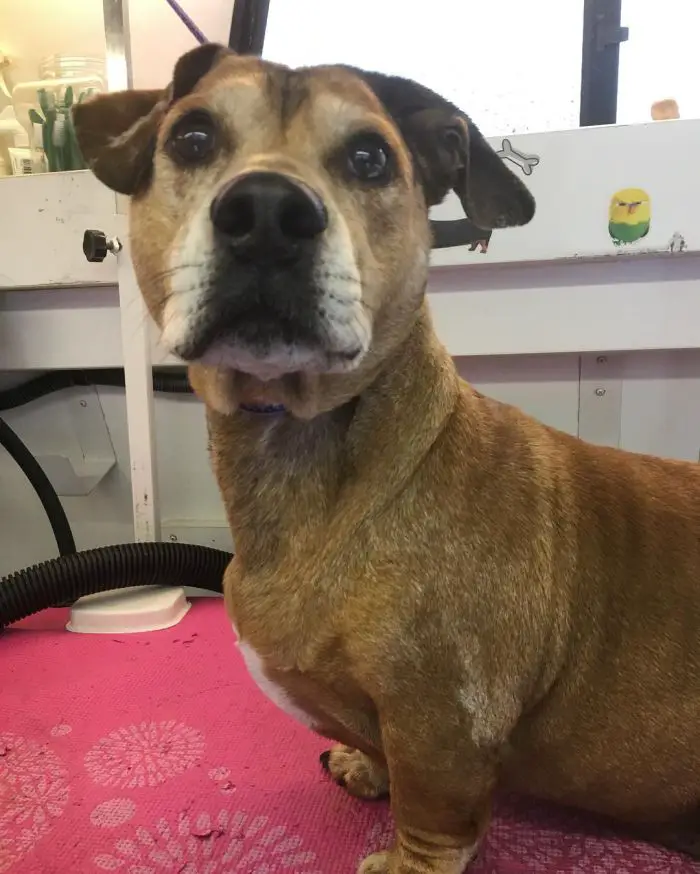
The BullDach is a Bulldog-Dachshund mix that may be small-to-medium, stubborn, funny, and loyal. The Dachshund side can add independence and a strong prey drive.
Best for: Patient owners who can manage a stubborn, quirky dog. Watch-outs: Back problems, jumping off furniture, weight gain, and digging.
Use ramps, limit high-impact jumping, and keep this mix at a healthy weight to protect the back.
21. Bull Mastiff: English Bulldog + Mastiff
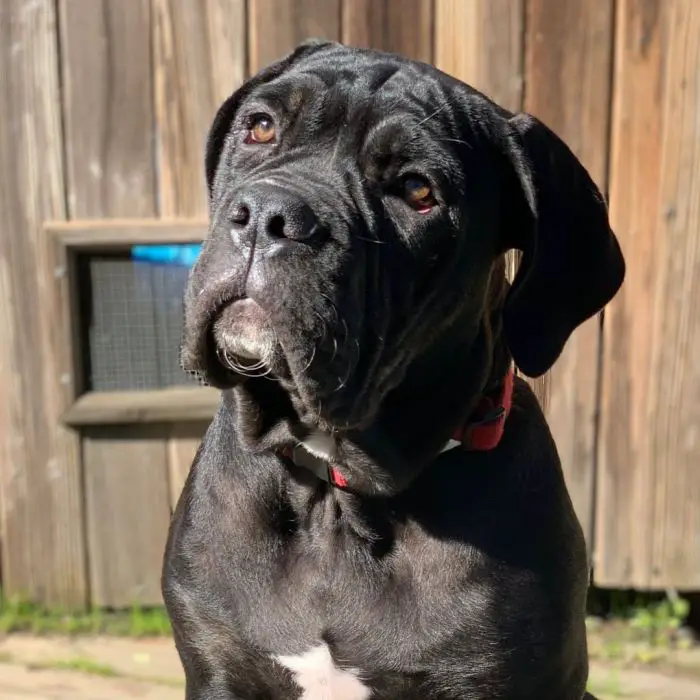
The Bull Mastiff mix is a large, powerful dog that may be calm, protective, and deeply loyal. It needs space, socialization, and owners comfortable with giant-breed responsibilities.
Best for: Large-dog homes with room and structure. Watch-outs: Joint stress, drool, size, guarding instincts, and shorter giant-breed lifespan.
If you like big bully-type mixes, compare this with our Pitbull Mastiff mix guide.
Which Bulldog Mix Is Best for Your Lifestyle?
Best Bulldog mixes for active owners
Consider:
- Bull-Boxer
- Bull-Aussie
- English Bull Springer
- Bull Jack
- Bullador
- Catahoula Bulldog
- English Bull Shepherd
These mixes may need more exercise, training, and mental stimulation than a pure Bulldog.
Best Bulldog mixes for calmer homes
Consider:
- Englishweiler
- Bully Basset
- Bully-Tzu
- English Frenchie
- Miniature Bulldog / Bullpug
- Bull Mastiff
These dogs may still need walks and training, but they are less likely to be as demanding as herding, hunting, or working crosses.
Best Bulldog mixes for families
Many Bulldog mixes can do well with families when properly trained and socialized. Good candidates may include:
- Bea-Bull
- Bullador
- Bull-Boxer
- English Bull Springer
- English Boodle
Always supervise dogs with young children and teach children not to climb on, tease, or disturb a resting dog.
Bulldog mixes that need extra health caution
Be especially careful with crosses involving two flat-faced breeds, including:
- Miniature Bulldog / Bullpug
- English Frenchie
- Bully-Tzu
- Bull-Boxer if the face is very short
These dogs may be more vulnerable to heat, humidity, airway problems, and exercise intolerance.
Responsible Adoption or Breeder Checklist
Before bringing home a Bulldog mix, ask:
- Can I meet the dog or at least learn about both parent breeds?
- Does the dog breathe comfortably at rest and after mild activity?
- Has a veterinarian checked the dog’s airway, eyes, skin, hips, and joints?
- Is the dog at a healthy weight?
- Does the rescue, shelter, or breeder explain realistic temperament and health risks?
- Are there any breed restrictions where I live?
- Can I provide the exercise level this mix may need?
- Am I prepared for training, grooming, vet care, and heat safety?
Avoid anyone who promises a Bulldog mix will be perfectly healthy, hypoallergenic, or guaranteed to have only the best traits of both breeds.
Bulldog Mix Care Tips
Keep them lean
Extra weight makes breathing, joint strain, and overheating worse. Keep treats controlled and ask your vet about an ideal body condition score.
Use heat caution
Avoid hard exercise during hot or humid weather. Walk early in the morning or late in the evening. Watch for frantic panting, heavy drooling, bright-red gums, weakness, vomiting, or collapse.
Choose a harness when needed
For flat-faced or breathing-sensitive dogs, a well-fitted harness is usually safer than pressure on the neck.
Clean skin folds and ears
Bulldog-type dogs may need regular wrinkle cleaning and drying. Floppy-eared mixes may also need routine ear checks.
Train early
Bulldog mixes can be stubborn, strong, or both. Reward-based training, early socialization, and clear house rules help prevent problems later.
FAQs About Bulldog Mixes
Are Bulldog mixes good family dogs?
Many Bulldog mixes can be excellent family dogs because Bulldogs are often loyal, affectionate, and people-oriented. The other parent breed matters, though. A Bulldog-Lab mix may be more active, while a Bulldog-Basset mix may be more relaxed.
Are Bulldog mixes healthier than purebred Bulldogs?
They can be, especially if they inherit a longer muzzle and more genetic diversity. But health is not guaranteed. Bulldog mixes can still develop breathing problems, joint issues, skin-fold irritation, eye problems, overheating risk, or conditions from the other parent breed.
Are Bulldog mixes hypoallergenic?
No Bulldog mix is guaranteed hypoallergenic. Even a Bulldog-Poodle mix may inherit a coat that still sheds or triggers allergies.
Which Bulldog mix is best for apartments?
Lower-energy and smaller Bulldog mixes may fit apartment life better, such as the Bully-Tzu, English Frenchie, Miniature Bulldog, or Bully Basset. However, breathing health, barking, weight control, and daily walks still matter.
Which Bulldog mix needs the most exercise?
Bull-Aussies, Bull Jacks, Catahoula Bulldogs, Bulladors, English Bull Springers, and Bull-Boxers are likely to need more exercise than calmer Bulldog mixes.
Can Bulldog mixes overheat?
Yes. Any dog can overheat, but Bulldog mixes with short muzzles, heavy bodies, dark coats, extra weight, or breathing issues may be at higher risk. Avoid heat and humidity, provide water, and seek veterinary care if symptoms appear.
Should I buy or adopt a Bulldog mix?
Adoption is a great option, especially because many Bulldog mixes need homes. If you use a breeder, choose one who health-tests, avoids extreme features, allows questions, and does not make unrealistic health or temperament guarantees.
Final Thoughts
Bulldog mixes can be loyal, funny, affectionate dogs with plenty of personality. But the right match depends on more than cuteness. Compare the other parent breed, exercise needs, size, health risks, and temperament before choosing one.
If you want a calmer companion, look closely at lower-energy mixes. If you want a hiking or training buddy, consider a more athletic cross. And if the mix has a flat face, make breathing comfort and heat safety a top priority.
A well-matched Bulldog mix can be a wonderful family member. The key is choosing with your lifestyle — and the dog’s long-term health — in mind.
—