
Quick Answer
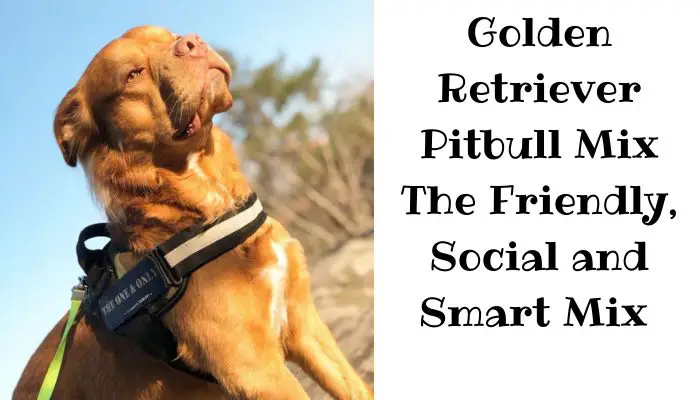
A Golden Retriever Pitbull mix is usually a medium-to-large, people-focused dog with Golden Retriever friendliness and Pitbull-type athleticism. Many Golden Pits are affectionate, playful, trainable companions, but they still need daily exercise, early socialization, leash manners, and consistent household rules.
This mix is best for active owners who want a social dog, not a low-maintenance couch ornament or yard-only pet. If you are comparing Golden Pits with other Pitbull crosses, start with our complete Pitbull mix breeds guide so you can see how this dog compares with other family-friendly, high-energy mixes.
Quick Facts About the Golden Retriever Pitbull Mix
| Trait | What to Expect |
|---|---|
| Common names | Golden Retriever Pitbull mix, Golden Pit, Golden Retriever Pit mix |
| Parent breeds | Golden Retriever and an American Pit Bull Terrier / bully-type Pitbull line |
| Typical size | Often medium-large; many adults fall around 45–80 pounds, but mixed litters vary |
| Coat | Short to medium; may be smooth, dense, wavy, or Golden-like |
| Shedding | Usually moderate; can be heavy if the coat favors the Golden Retriever side |
| Energy level | Moderate to high; needs daily exercise and mental work |
| Temperament | Social, affectionate, playful, trainable, sometimes exuberant or dog-selective |
| Best home | Active family or adult home with training, supervision, and time for exercise |
| Watch-outs | Jumping, pulling, shedding, ear/skin issues, orthopedic risk, local Pitbull restrictions |



What Is a Golden Retriever Pitbull Mix?
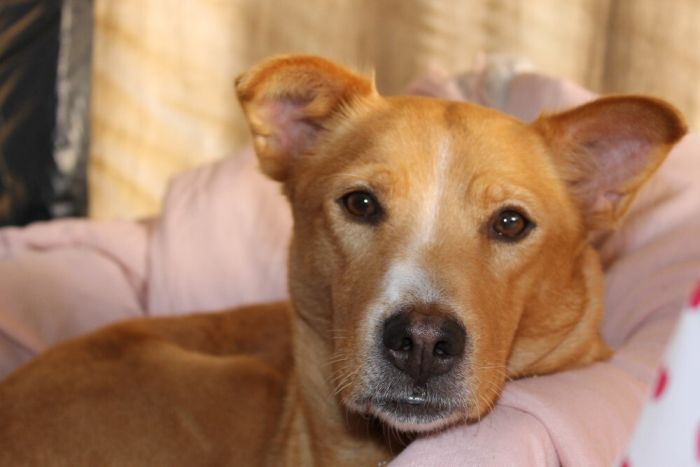
The Golden Retriever Pitbull mix is a cross between a Golden Retriever and a Pitbull-type dog, usually an American Pit Bull Terrier, American Staffordshire Terrier, or similar bully-type line. Because “Pitbull” can describe several related dog types, puppies may vary more than a simple breed label suggests.
The Golden Retriever side often contributes a friendly, eager, retrieving-dog personality. The Pitbull-type side may add muscular build, athletic drive, confidence, and a strong desire to be close to people. A well-raised Golden Pit can be warm and outgoing, but it should still be treated as a strong, energetic dog that needs training and management.
If you like the friendly sporting-dog side of this mix, compare it with the Labrador Pitbull Mix guide. If you want another energetic family-oriented Pitbull cross to compare, the Boxer Pitbull Mix guide is a useful next read.
Appearance: What Does a Golden Pit Look Like?
Golden Retriever Pitbull mixes often have a sturdy, athletic body, a broad or moderately broad head, expressive eyes, and a happy, alert expression. Some look like a lean Golden Retriever with a shorter coat. Others look more like a bully-type dog with softer Golden features.
Coat type can vary a lot. Some Golden Pits have a short, smooth coat. Others inherit a thicker, medium-length coat with feathering around the tail, legs, chest, or ears. Common colors may include gold, tan, red, fawn, cream, brindle, brown, black, or white markings.
Because this is a mixed breed, do not choose a puppy based only on photos or color. Structure, temperament, health history, and the quality of the breeder or rescue evaluation matter much more than a trendy look.
Size and Growth Expectations
Most Golden Retriever Pitbull mixes are medium-to-large dogs. Many adults land somewhere around 45–80 pounds, but some may be smaller or larger depending on the actual Pitbull-type parent, the Golden Retriever line, sex, diet, and genetics.
Height often falls in a medium-large range rather than a giant-breed range. The important point is not the exact number on a chart. It is whether you can comfortably manage a strong adult dog that may pull, jump, wrestle, or greet people with too much enthusiasm if training is neglected.
Keep puppies lean as they grow. Extra weight can place more stress on developing joints. Ask your veterinarian for body-condition guidance instead of trying to make a Golden Pit look overly bulky.
Temperament: Friendly, Social, and Strong
A good Golden Retriever Pitbull mix is often affectionate and people-oriented. Many want to be near their family, join activities, play games, and meet visitors. The Golden side can add softness and eagerness, while the Pitbull side may add confidence, persistence, and physical enthusiasm.
That does not mean every Golden Pit is automatically easy. Some are jumpy adolescents, strong pullers, intense chewers, or overly excited greeters. Some may be selective with unfamiliar dogs as they mature. Some may chase cats or wildlife. These behaviors are manageable for prepared owners, but they are not solved by love alone.
The goal is to raise a calm, well-socialized companion: reward polite greetings, practice settling, introduce normal sights and sounds, and build positive experiences around people, dogs, handling, car rides, grooming, and vet visits.
Is a Golden Retriever Pitbull Mix a Good Family Dog?
A Golden Retriever Pitbull mix can be a good family dog in the right home. The best matches are families that have time for exercise, training, supervision, and routine. This mix is usually too social to be ignored and too strong to be left without manners.
With children, the main concern is often excitement rather than intentional harm. A happy Golden Pit can knock over a small child, steal toys, mouth during play, or jump on guests. Teach children not to climb on, tease, hug tightly, or bother the dog while eating or sleeping. Teach the dog calm greetings, drop it, leave it, and how to settle on a mat.
No dog should be advertised as automatically safe with kids. Supervision and training are still required, even with a friendly mix.
Best Owner Fit
The Golden Pit usually fits owners who want a dog involved in daily life. This is a good match for people who enjoy walks, hikes, fetch, training games, scent work, tug with rules, or active family routines.
This mix may not fit well if you want a low-shedding dog, a dog that can stay alone all day without enrichment, or a dog that never needs leash training. It can also be challenging in rentals, apartments with breed rules, or neighborhoods where Pitbull-type dogs face restrictions.
A good home has:
- Time for daily exercise and training.
- A plan for socialization and polite greetings.
- Secure containment and safe leash handling.
- Patience through adolescence.
- Willingness to work with a qualified trainer if reactivity, fear, or dog-dog issues appear.
Training and Socialization
Golden Retriever Pitbull mixes usually respond well to positive, reward-based training. Many are food-motivated and people-focused, which can make training fun. Start early with name response, sit, down, stay, recall, loose-leash walking, drop it, leave it, and calm greetings.
Socialization should be thoughtful, not chaotic. The goal is not to force your puppy to meet every dog or person. The goal is to teach your dog that the world is normal, safe, and manageable. Pair new experiences with treats, distance, and calm handling.
Avoid punishment-heavy methods, dominance tactics, and protection training. Those approaches can increase fear, conflict, or overarousal in the wrong hands. If your Golden Pit shows guarding, snapping, severe fear, or escalating reactivity, contact a qualified force-free trainer or veterinary behavior professional.
For owners handling a strong puller, proper equipment matters. A secure front-clip harness can help while training loose-leash skills; see our guide to the best harness for Pitbulls for fit and control considerations.
Exercise and Mental Enrichment
Most Golden Retriever Pitbull mixes need at least one solid daily exercise routine plus smaller training or play sessions. A bored Golden Pit may dig, chew, bark, jump, counter-surf, or invent games you do not like.
Good outlets include:
- Brisk walks with sniff breaks.
- Fetch or flirt-pole games with rules and warmups.
- Tug with a clear release cue.
- Scent games and food puzzles.
- Short obedience sessions.
- Swimming only when the dog is comfortable and safely supervised.
- Controlled play with known compatible dogs.
Puppies should not be overworked on hard surfaces or forced into repetitive jumping. Build fitness gradually and ask your veterinarian about age-appropriate exercise if your dog is still growing.
For rainy days or crate-rest periods, rotate safe enrichment items. Our durable toys for Pitbulls guide can help you choose options for strong chewers, but no toy should be treated as truly indestructible or left unsupervised if your dog destroys and swallows pieces.
Grooming and Shedding
Grooming depends on coat type. A short-coated Golden Pit may need weekly brushing, occasional baths, nail trims, and ear checks. A Golden-influenced coat may need more frequent brushing, especially during seasonal shedding.
Expect some shedding. This mix is not hypoallergenic. If the coat is thick or feathered, brush behind the ears, around the tail, and along the legs to prevent mats. Check ears regularly, especially if your dog swims, has floppy ears, or shows redness, odor, head shaking, or scratching.
Keep nails short enough that they do not click heavily on the floor. Long nails can affect comfort and movement, especially in an athletic dog.
Feeding and Weight Management
Feed a complete and balanced diet appropriate for your dog’s life stage, size, and activity level. Puppies need puppy food formulated for growth. Adults need calories matched to their real activity, not their enthusiasm for eating.
Golden Retrievers and bully-type dogs can both become overweight if portions, treats, and exercise are not managed. A lean Golden Pit is healthier than a bulky one. You should be able to feel the ribs with light pressure and see a waist from above.
If you want a starting point for bully-type nutrition, our best dog food for Pitbulls guide explains protein, calories, labels, and owner considerations. For allergies, chronic diarrhea, weight problems, or medical diets, use your veterinarian rather than guessing.
Health Cautions to Discuss With Your Vet
Mixed-breed dogs can be healthy, but they are not automatically free of inherited risks. A Golden Retriever Pitbull mix may inherit concerns seen in Golden Retrievers, Pitbull-type dogs, and medium-large athletic breeds.
Ask your veterinarian and breeder or rescue about:
- Hip and elbow dysplasia or other orthopedic problems.
- Golden Retriever cancer risk and the importance of routine exams.
- Skin allergies, itching, hot spots, or ear infections.
- Heart screening when family history suggests risk.
- Eye issues in Golden Retriever lines.
- Obesity and joint strain.
- Bloat/GDV awareness in deep-chested dogs, even if risk varies by build.
Watch for limping, difficulty rising, chronic scratching, recurrent ear odor, unexplained weight loss, coughing, collapse, appetite changes, or sudden abdominal swelling. Those signs deserve veterinary attention.
Adoption and Breeder Cautions
Many Golden Retriever Pitbull mixes appear in shelters and rescues because accidental litters and mislabeled mixed breeds are common. Adoption can be a great route, especially if the rescue or shelter gives honest notes about energy level, dog-dog behavior, cat testing, child experience, medical history, and known triggers.
If you use a breeder, be careful. A responsible breeder should care about health testing, temperament, early socialization, and lifetime support. They should not market puppies mainly by rare color, size, toughness, or protection potential. Ask to see health information on both parents and meet at least the mother when possible.
Avoid sellers who refuse questions, always have puppies available, will not discuss health, use pressure tactics, or claim every puppy will have a guaranteed personality.
Legal, Housing, and Insurance Considerations
Because this mix includes a Pitbull-type parent, local rules can matter. Some cities, landlords, homeowners associations, insurance companies, or travel accommodations restrict dogs labeled as Pitbulls or bully breeds. Shelter paperwork and visual breed labels are not always accurate, but they can still affect housing and insurance.
Before bringing home a Golden Pit, check local ordinances, rental agreements, insurance policies, and boarding/daycare rules. This is especially important if you move often or rent your home.
Golden Retriever Pitbull Mix vs Similar Pitbull Mixes
If you are still comparing options, think about the type of energy you want. A Golden Pit may be social, athletic, and people-oriented. A Lab Pit may offer a similar sporting-dog feel. A Boxer Pit may be bouncy and comedic. A herding-breed Pit mix may be even more intense mentally.
For a smarter, higher-drive comparison, read the Border Collie Pitbull Mix guide. That comparison can help you decide whether you want retriever-style enthusiasm or herding-breed intensity.
Final Verdict: Should You Get a Golden Pit?
A Golden Retriever Pitbull mix can be a loving, fun, loyal companion for the right owner. The best Golden Pits are not just “friendly by breed.” They are shaped by good genetics, early socialization, positive training, exercise, health care, and responsible management.
Choose this mix if you want an active family companion and you are ready to train, brush, exercise, and supervise a strong dog. Choose a different dog if you need a low-shedding, low-energy, legally uncomplicated pet that can be left alone with little structure.
FAQs About the Golden Retriever Pitbull Mix
Is a Golden Retriever Pitbull mix a good family dog?
Yes, a Golden Retriever Pitbull mix can be a good family dog when the dog is well-bred or well-matched, properly socialized, and given consistent training. Many are affectionate, playful, and people-focused.
The fit depends on the household. Families with small children must manage jumping, mouthing, food stealing, and rough play. Teach children respectful dog behavior and supervise interactions. A friendly Golden Pit is still a strong dog that needs manners.
How big does a Golden Retriever Pitbull mix get?
Many Golden Retriever Pitbull mixes mature into medium-to-large dogs, often around 45–80 pounds. Some may be outside that range depending on the Pitbull-type parent, Golden Retriever line, sex, and individual genetics.
Use parent size as a rough clue, not a guarantee. Keeping the dog lean is more important than chasing a specific weight. Extra pounds can strain joints and make a strong dog harder to handle.
What is the temperament of a Golden Pit?
A Golden Pit is often social, affectionate, athletic, and eager to interact with people. The Golden Retriever side can add friendliness and trainability, while the Pitbull-type side may add confidence, determination, and muscular energy.
Temperament still varies. Some Golden Pits are easygoing. Others are intense, jumpy, prey-driven, or selective with dogs. Early socialization, reward-based training, and calm daily structure help the best traits show up.
Is a Golden Retriever Pitbull mix aggressive?
A Golden Retriever Pitbull mix is not automatically aggressive. Aggression is influenced by genetics, early life, training, health, fear, environment, and owner management. Breed labels alone do not predict every dog’s behavior.
Take concerning behavior seriously. Growling, snapping, stiff body language, escalating dog reactivity, or guarding should be addressed early with a qualified professional. Do not use punishment or protection training to “fix” fear or aggression.
How much exercise does a Golden Retriever Pitbull mix need?
Most adults need daily exercise and mental enrichment. A good routine may include walks, sniffing, fetch, tug with rules, puzzle feeding, training games, and safe play. Many Golden Pits become destructive or overexcited when under-exercised.
Puppies need activity too, but not forced endurance work. Avoid repetitive jumping and long hard runs while joints are developing. Ask your veterinarian for exercise guidance if your puppy is growing fast or showing soreness.
Does a Golden Retriever Pitbull mix shed a lot?
It can. If the dog inherits a short bully-type coat, shedding may be moderate. If the coat favors the Golden Retriever side, shedding can be heavier and brushing needs may increase.
Plan on regular brushing, nail trims, baths as needed, and ear checks. This mix is not a good choice for someone who needs a truly low-shedding or hypoallergenic dog.
Can a Golden Pit live with other dogs or cats?
Some Golden Pits live successfully with other dogs or cats, especially when raised carefully and matched with compatible animals. Others may become dog-selective, chase small animals, or play too roughly.
Use slow introductions, supervision, gates or crates when needed, and separate feeding areas. Do not assume friendliness with people means automatic safety with every animal. If you see tension, get help early.
What health problems should Golden Pit owners watch for?
Key concerns include hip and elbow problems, skin allergies, ear infections, obesity, eye issues, heart concerns, and cancer risk associated with Golden Retriever lines. Individual risk depends on family history and veterinary care.
Choose adoption groups or breeders that are honest about health. Keep routine vet visits, maintain a lean body condition, and ask about screening if your dog limps, scratches constantly, has repeated ear issues, coughs, collapses, or changes appetite or energy suddenly.
Should I adopt a Golden Retriever Pitbull mix or buy from a breeder?
Adoption is often worth checking first because many Pitbull-type mixes and retriever mixes need homes. A good shelter or rescue can help match energy level, dog compatibility, child history, and behavior needs.
If buying from a breeder, look for health testing, stable parent temperaments, early socialization, clean conditions, and a return policy. Avoid sellers focused mainly on rare colors, oversized puppies, or claims that the dog will be a natural protector.
Is a Golden Retriever Pitbull mix legal everywhere?
No. Some areas, rentals, insurance policies, and housing associations restrict Pitbull-type dogs or dogs labeled as Pitbull mixes. Rules vary widely and may apply even when a dog is friendly or visually mixed.
Check local laws, lease terms, insurance policies, and travel rules before bringing one home. This can prevent heartbreaking rehoming situations later.
Sources Checked
- Golden Retriever Club of America health and research information
- American Kennel Club Golden Retriever breed overview
- Orthopedic Foundation for Animals CHIC Golden Retriever health screening requirements
- PDSA Golden Retriever breed and welfare guidance
- VCA Hospitals overview of hip dysplasia in dogs
- American Veterinary Medical Association dog bite prevention and responsible ownership guidance
- American Veterinary Society of Animal Behavior position statements and socialization resources
- Humane World for Animals responsible dog breeder guidance
- AAFCO guide to understanding pet food labels