
The Pitbull Mastiff Mix is usually a large, muscular, powerful dog with Pitbull-type ancestry and Mastiff influence. This mix can be calm, loyal, affectionate, and impressive, but it also needs serious owner commitment. Size, strength, socialization, leash manners, training, and weight control matter from the first day.
If you are comparing large bully-type mixes, start with the main Pitbull mix comparison hub and use this guide to decide whether a Mastiff-influenced dog fits your home, schedule, strength, and experience level.
Quick Answer: Is the Pitbull Mastiff Mix a good dog?
A Pitbull Mastiff Mix can be a good companion for the right owner: calm indoors when mature, attached to family, and capable of learning good manners. The challenge is that this dog can become very large and strong. Without training, socialization, exercise, and routine veterinary care, ordinary problems like pulling, jumping, guarding resources, or gaining weight can become difficult to manage.
This mix is usually best for experienced or very committed owners who can handle a large dog responsibly. It is not a good choice for someone who wants a low-cost, low-training, low-space pet.
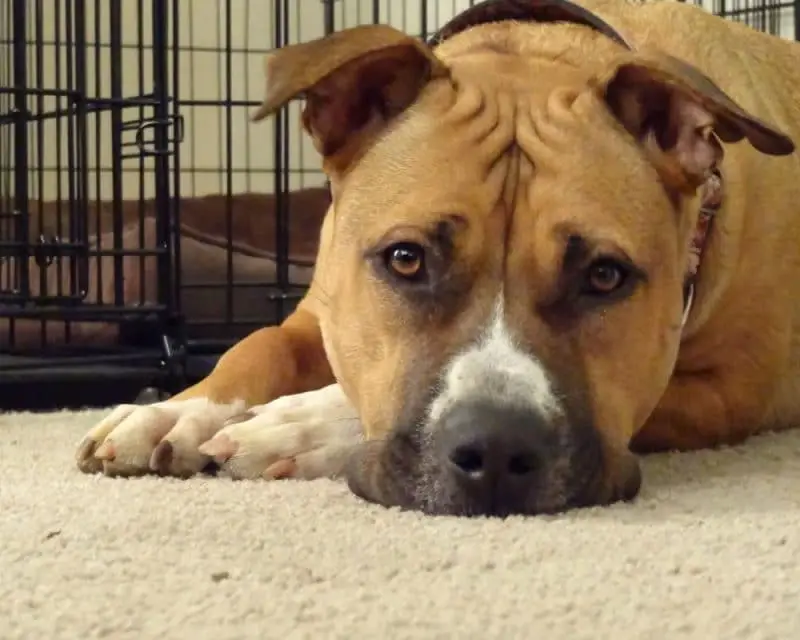
Quick Facts About the Pitbull Mastiff Mix
| Trait | Typical expectation |
|---|---|
| Other names | Pit Mastiff, Mastiff Pitbull Mix, Pitbull Mastiff |
| Size | Usually large; adult weight varies widely by parents |
| Build | Heavy, muscular, broad-chested, and powerful |
| Energy level | Moderate to high when young; often calmer with age |
| Training needs | Leash manners, calm greetings, recall, impulse control, handling |
| Best for | Owners who can manage a large dog with structure and consistency |
| Main concerns | Joint strain, obesity, pulling strength, overheating, poor socialization |
What Is a Pitbull Mastiff Mix?
A Pitbull Mastiff Mix is not a standardized purebred dog. It is a mixed-breed dog with Mastiff ancestry and a Pitbull-type parent or line. The Pitbull side may involve an American Pit Bull Terrier, American Staffordshire Terrier, American Bully, Staffordshire Bull Terrier, or similar bully-type background.
Because both sides can be strong and muscular, the result is often a powerful dog that needs clear routines. Individual temperament still matters more than the label. Parent behavior, early handling, health, pain, training, and daily environment all affect the adult dog.
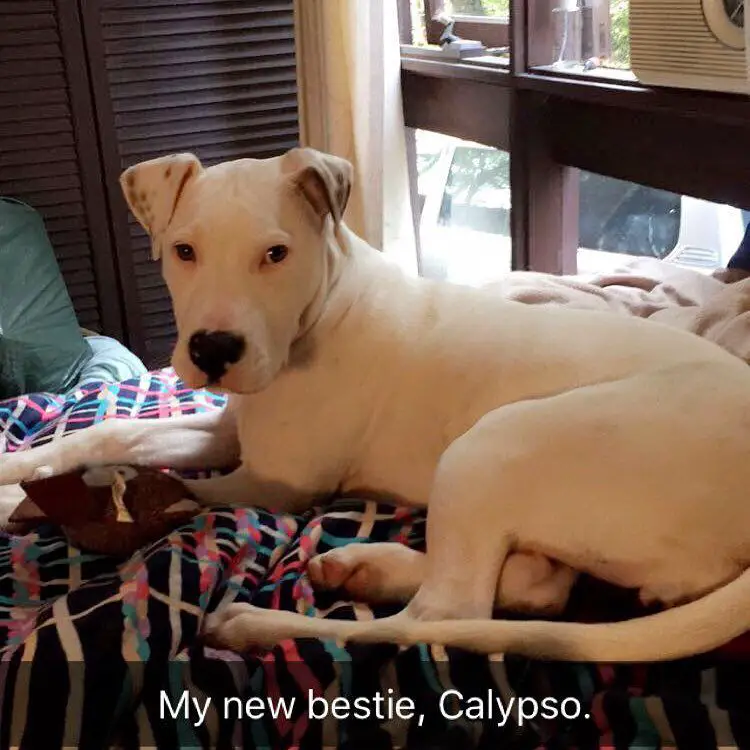
Appearance and Size
Most Pitbull Mastiff mixes are broad, solid, and athletic-to-heavy in build. Some look more like a tall bully-type dog, while others have a heavier Mastiff frame, large head, loose skin, deeper chest, or slower-moving style. Coat is usually short, but color can vary.
Do not choose this mix based only on puppy size. Large-breed puppies can grow quickly, and adult strength can surprise owners who did not plan for leash training, space, food cost, and transport.
Temperament and Family Fit
Many Pit Mastiffs are affectionate with their families and may become calm household dogs with maturity. They can also be stubborn, sensitive, protective of routines, or slow to warm up if socialization is weak. Responsible ownership means teaching neutral behavior around visitors, children, dogs, delivery workers, and busy environments.
This mix may do well with families that understand large-dog supervision. Children should not climb on, tease, or disturb the dog around food or rest. Adults should manage greetings because a friendly large dog can knock people over accidentally.
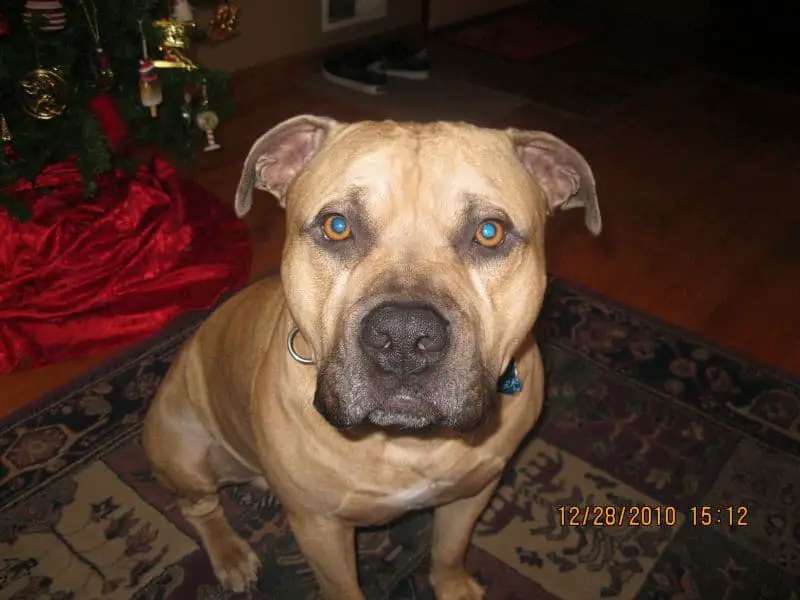
Training and Socialization
Training should focus on everyday control: loose-leash walking, calm door manners, recall, leave it, drop it, settle on a mat, and polite greetings. A large dog that pulls or jumps is not just inconvenient; it can be unsafe.
Use reward-based training and short, consistent practice. Avoid harsh methods that create fear or conflict. If the dog shows reactivity, guarding, or serious pulling, work with a qualified positive-reinforcement trainer early.
Exercise, Enrichment, and Weight Control
Young dogs may need daily activity, sniffing, training games, and structured play. Mature Mastiff-influenced dogs may become calmer, but they still need movement and mental stimulation. Keep exercise age-appropriate because very large dogs can be vulnerable to joint strain.
Weight control is one of the biggest care responsibilities. Extra weight increases stress on hips, elbows, knees, and the spine. Feed measured meals, track body condition, and talk with your veterinarian about calories if the dog is gaining too fast. For general bully-type feeding context, compare our best dog food for Pitbulls guide without treating any online article as a substitute for veterinary advice.
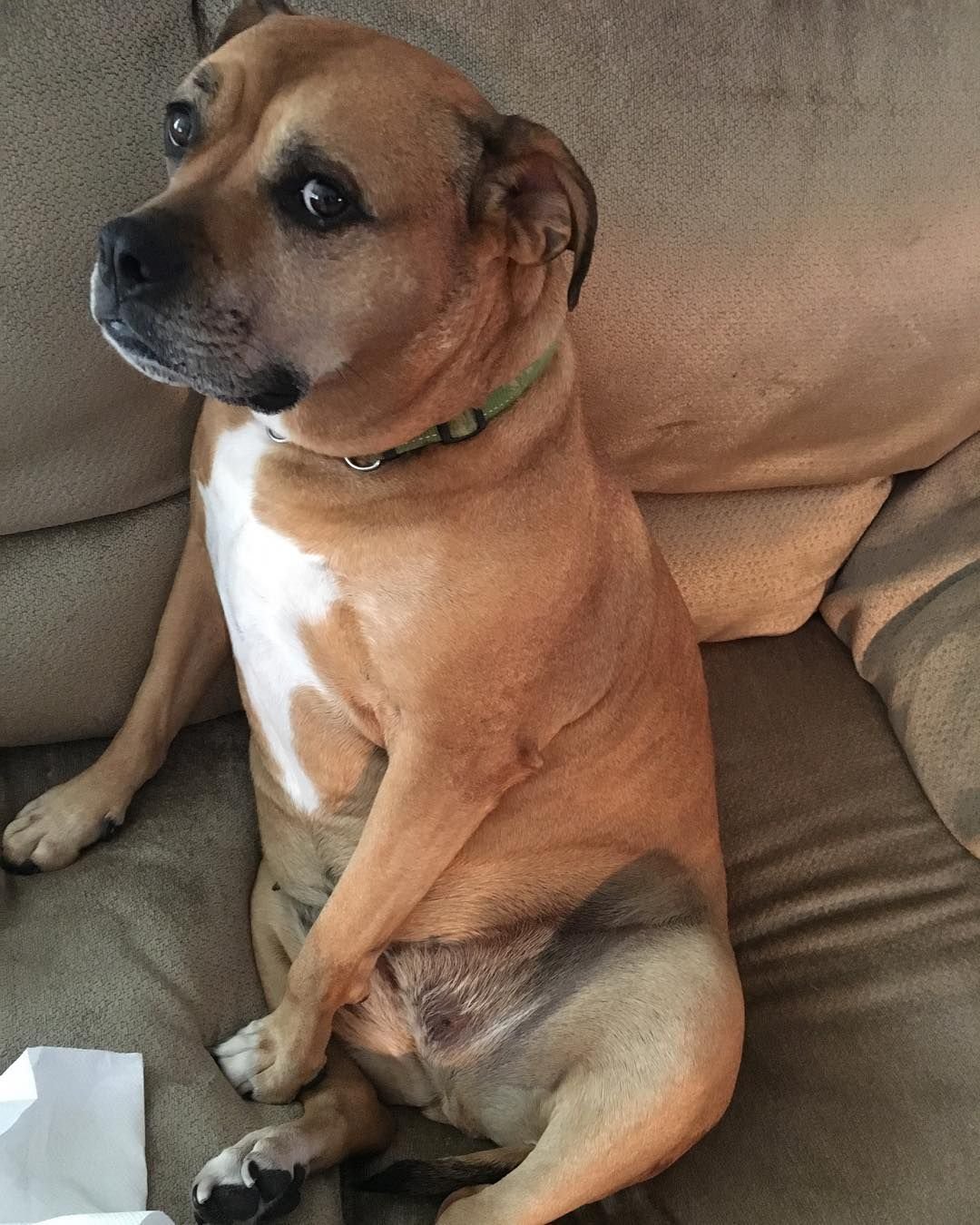
Grooming and Daily Care
Most Pitbull Mastiff mixes have short coats that are easy to brush, but short hair does not mean zero grooming. Brush weekly, trim nails, check ears, maintain dental care, and clean skin folds if the dog has loose facial skin.
Large dogs also need practical household planning: strong leashes, secure fencing, a supportive bed, vehicle space, and non-slip surfaces if joints are a concern.
Health Risks to Discuss With Your Veterinarian
Possible concerns include hip and elbow problems, knee injuries, obesity, skin irritation, ear issues, heat sensitivity, bloat risk in deep-chested dogs, and dental disease. These are not guarantees, but they are reasons to keep routine veterinary care and avoid letting the dog become overweight.
Ask rescues or breeders for veterinary history and parent screening information when available. Watch for limping, stiffness, reluctance to rise, rapid weight gain, itching, hot spots, coughing, or sudden behavior changes.
Pros and Cons
Pros
- Often loyal and affectionate with family.
- Can mature into a calm, steady companion.
- Impressive strength and athletic ability.
- Short coat is usually simple to maintain.
Cons
- Large size requires space, training, and physical control.
- Food, veterinary care, and equipment can be expensive.
- Poor socialization can create management problems.
- Weight gain and joint stress need constant attention.
Similar Large Pitbull Mixes to Compare
If you are comparing large or powerful mixes, review the Pitweiler guide for Rottweiler influence, the Cane Corso Pitbull Mix guide for another guardian-style comparison, and the Pitbull Great Dane Mix guide for giant-dog size considerations. The Pitbull Boxer Mix guide is a useful athletic comparison, while the American Bully dog breed guide helps separate bully-type breed expectations.
FAQs About the Pitbull Mastiff Mix
Is a Pitbull Mastiff Mix good for first-time owners?
It can work for a first-time owner only if that person is very prepared, physically capable, and willing to invest in training. Many first-time owners underestimate adult size, leash strength, food cost, and management needs.
An adult rescue dog with known behavior may be easier to evaluate than a puppy. Ask about leash manners, pet compatibility, child experience, guarding, and energy level before adopting.
How big does a Pitbull Mastiff Mix get?
Most are large dogs, but adult size varies widely. Parent size, sex, nutrition, growth rate, and health all matter. Puppy paws and internet averages are not reliable guarantees.
Plan for a strong adult dog even if the puppy seems manageable now. Training and equipment should start before the dog is difficult to physically control.
Are Pit Mastiffs aggressive?
No dog should be labeled automatically aggressive based on a mix name. Behavior depends on genetics, early handling, training, health, fear, pain, socialization, and management.
Because this mix can be powerful, responsible owners must prevent problems rather than wait for them. Controlled introductions, supervision, secure containment, and positive training are important.
Can this mix live with other pets?
Some can live with other dogs or cats, while others are better as only pets. It depends on the individual dog, prey drive, social history, and introductions.
Use barriers, slow introductions, separate feeding areas, and supervision. Avoid chaotic dog-park testing as your first compatibility plan.
How much exercise does this mix need?
Healthy adults usually need daily walks, training, and enrichment. Young dogs may be energetic, while mature Mastiff-influenced dogs may become more moderate.
Exercise should not be reckless. Avoid overworking growing puppies and overweight adults. Ask your vet about safe activity if the dog has joint concerns.