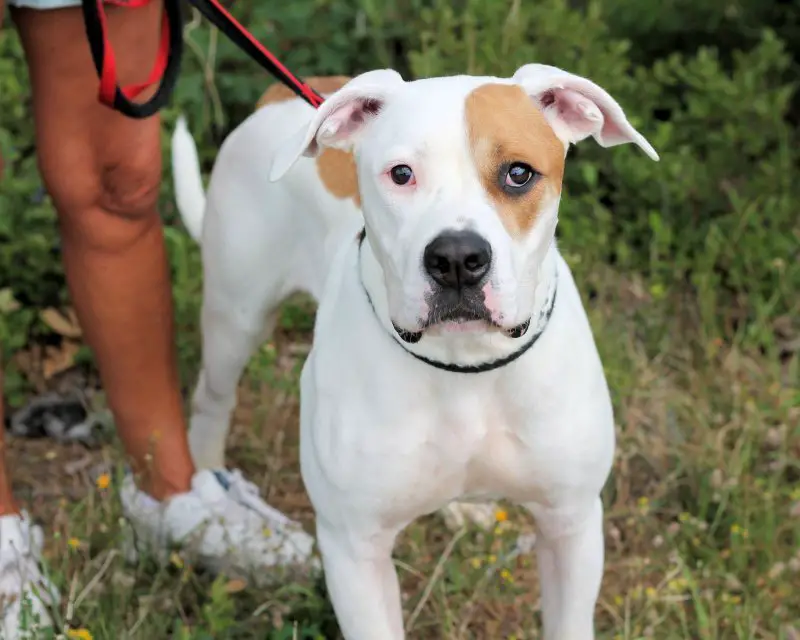
The Pitbull Great Dane mix, often called a Great Danebull, is a large to giant mixed-breed dog with Great Dane ancestry and Pitbull-type ancestry. The result can be a tall, muscular, people-focused companion with a big presence, a playful personality, and care needs that should be taken seriously before bringing one home.
If you are comparing this dog with other large bully-type crosses, start with our complete Pitbull mix list and then use this guide to decide whether the Great Danebull’s size, strength, training needs, and health considerations fit your household.
Quick Answer: Is the Pitbull Great Dane mix a good dog?
A Pitbull Great Dane mix can be a loving, loyal, impressive companion for the right owner, but it is not a casual “big dog” choice. This mix may inherit the Great Dane’s height and gentle, people-oriented nature along with the athleticism, determination, and strength often associated with Pitbull-type dogs. Many Great Danebulls are affectionate and goofy with their families, but their adult size means manners, leash skills, socialization, and body control are essential.
The best homes for a Great Danebull are prepared for a large dog that needs daily exercise, positive training, careful feeding, veterinary guidance, and space to move safely. Families should also understand giant-dog risks such as bloat/GDV and joint stress. If you want a predictable apartment lap dog or a dog that can be left untrained because it is “naturally gentle,” this mix is not the safest match.
Quick Facts About the Great Danebull
| Trait | Typical expectation |
|---|---|
| Other names | Great Danebull, Great Dane Pitbull mix, Pitbull Great Dane mix |
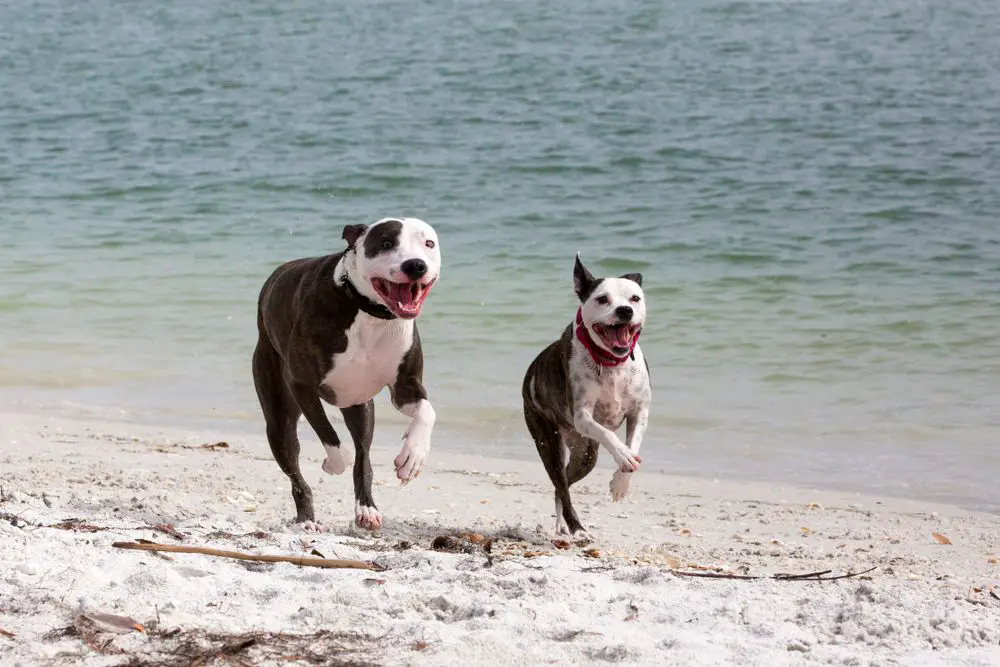
| Size | Usually large to giant; adult size varies widely by parents |
| Build | Tall, muscular, deep-chested, athletic, or blocky depending on genetics |
| Coat | Usually short and low-maintenance; shedding still occurs |
| Energy level | Moderate to high; needs daily walks, play, training, and recovery time |
| Temperament | Often affectionate, people-focused, confident, playful, and strong-willed |
| Training needs | Early socialization, leash manners, impulse control, calm greetings |
| Family fit | Best with supervised children and owners who can manage a very large dog |
| Health focus | Bloat/GDV awareness, joint care, weight control, heart/orthopedic vet checks |
| Best for | Owners ready for large-dog costs, space, training, and responsible management |
What Is a Pitbull Great Dane Mix?
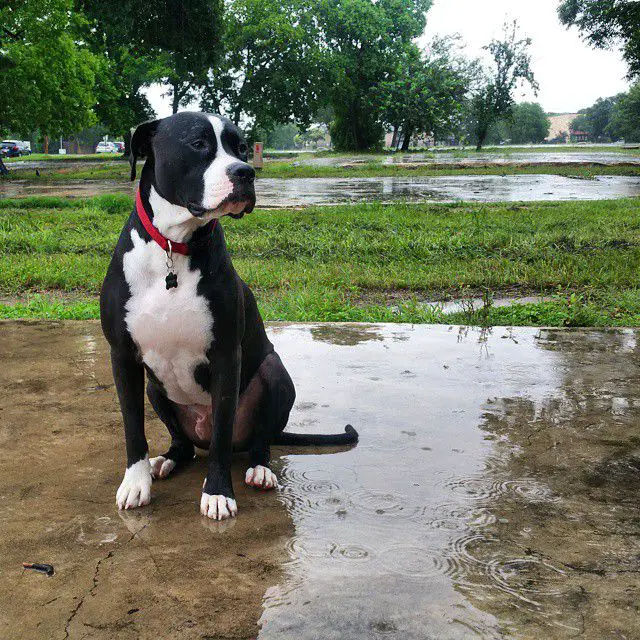
A Pitbull Great Dane mix is a cross between a Great Dane and a Pitbull-type dog. “Pitbull” can mean different things in everyday use, including American Pit Bull Terrier, American Staffordshire Terrier, Staffordshire Bull Terrier, American Bully, or bully-type mixed ancestry. Because of that, two dogs with the same Great Danebull label can look and behave quite differently.
The Great Dane side may contribute height, a deep chest, a gentle companion-dog style, and giant-breed care needs. The Pitbull-type side may contribute muscle, confidence, athleticism, enthusiasm, and a strong desire to be close to people. Neither parent label guarantees the final dog’s temperament. The individual dog’s genetics, early experiences, socialization, health, and owner handling matter more than the designer name.
This mix is not standardized by a major breed registry as a predictable breed. That means owners should be cautious about anyone promising exact size, a guaranteed “gentle giant” personality, or a perfect protection dog. A Great Danebull is best evaluated as an individual large mixed-breed dog.
Appearance and Size: How Big Does a Great Danebull Get?
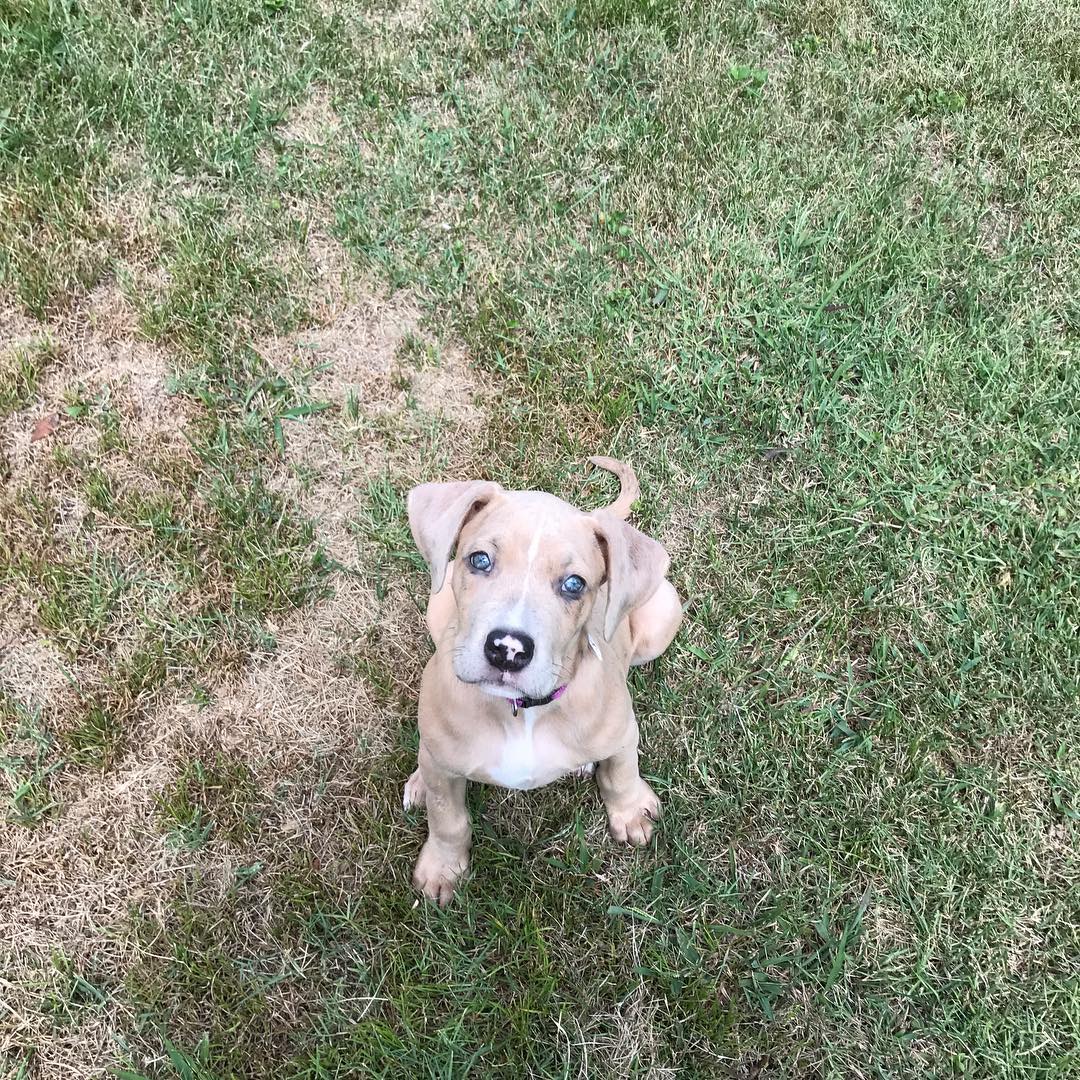
Most Pitbull Great Dane mixes are large dogs, and some can be genuinely giant. A Great Dane parent can bring significant height and a deep chest, while the Pitbull-type parent may bring a broader head, heavy muscle, and a more compact frame. Some Great Danebulls look tall and Dane-like with a blockier face. Others look like oversized bully-type dogs with longer legs.
Adult size can vary widely. Puppies are especially hard to predict because mixed-breed growth is not controlled by a written breed standard. If size is important for your home, car, stairs, budget, or landlord rules, ask about both parents and consider adopting an adult dog whose mature size is already known.
Expect a short coat in many Great Danebulls, with possible colors such as black, blue, brindle, fawn, brown, white, merle-influenced patterns, or mixed markings. Coat color should never be the main buying point. Sound structure, stable temperament, and responsible breeding or rescue evaluation matter much more.
Temperament: What Is a Great Danebull Like?
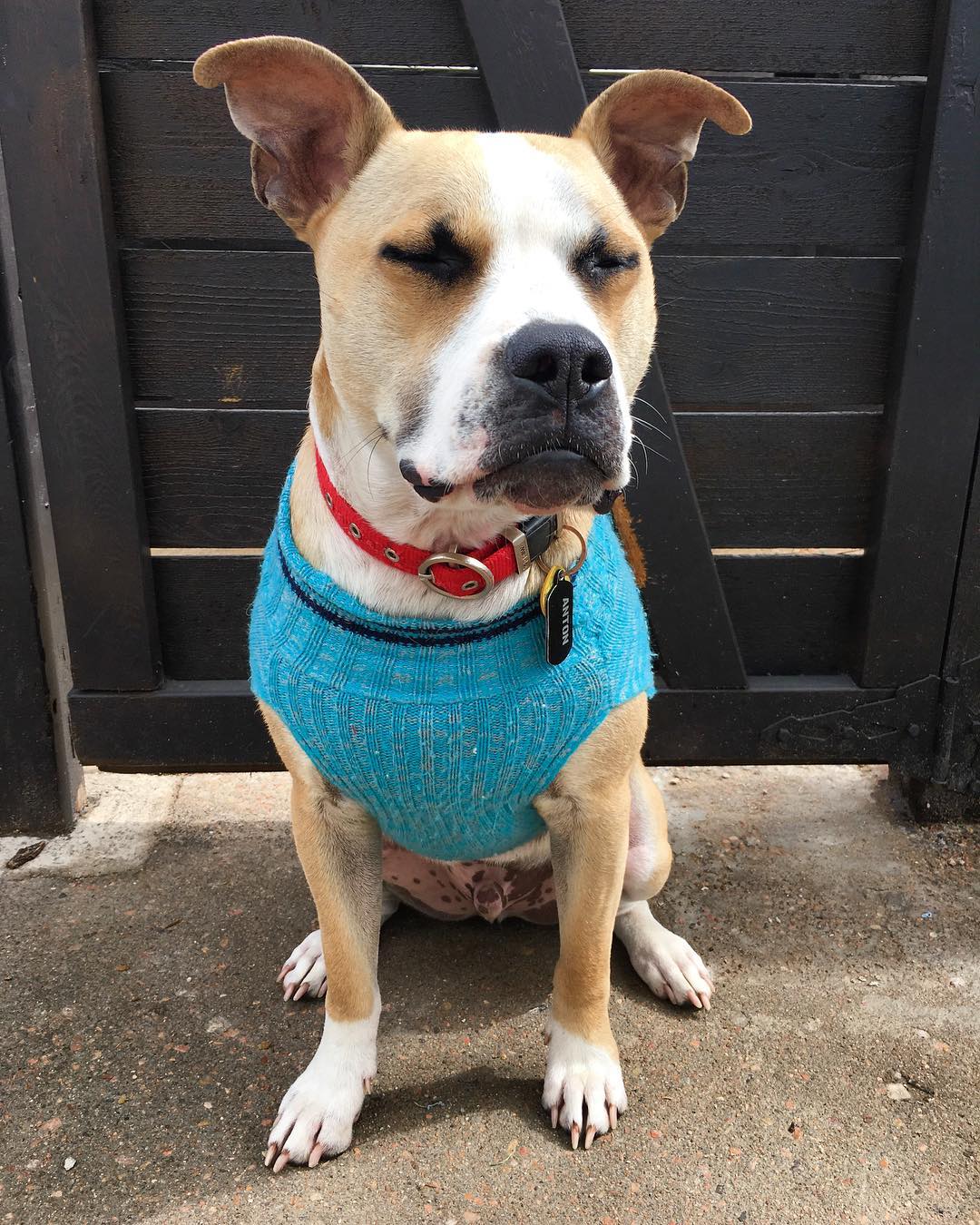
A well-raised Great Danebull is often affectionate, social, playful, and strongly attached to its family. Many enjoy leaning on people, following household routines, playing in the yard, and relaxing indoors after exercise. The Great Dane side may add a calmer, softer companion style, while the Pitbull-type side may add intensity, athletic drive, and persistence.
Those traits can be wonderful in a trained adult and difficult in an unmanaged adolescent. A large, excited dog that jumps, mouths, pulls, guards resources, or rushes guests can scare people or injure someone accidentally even without aggressive intent. That is why polite greetings, leash manners, settle cues, crate or mat training, and impulse control should start early.
Do not assume this mix will be automatically aggressive or automatically safe. Behavior is shaped by genetics, socialization, training, fear, pain, environment, and owner decisions. Sudden behavior changes, reluctance to move, snapping when touched, or new irritability should be discussed with a veterinarian because pain can affect behavior.
Is a Pitbull Great Dane Mix Good for Families?
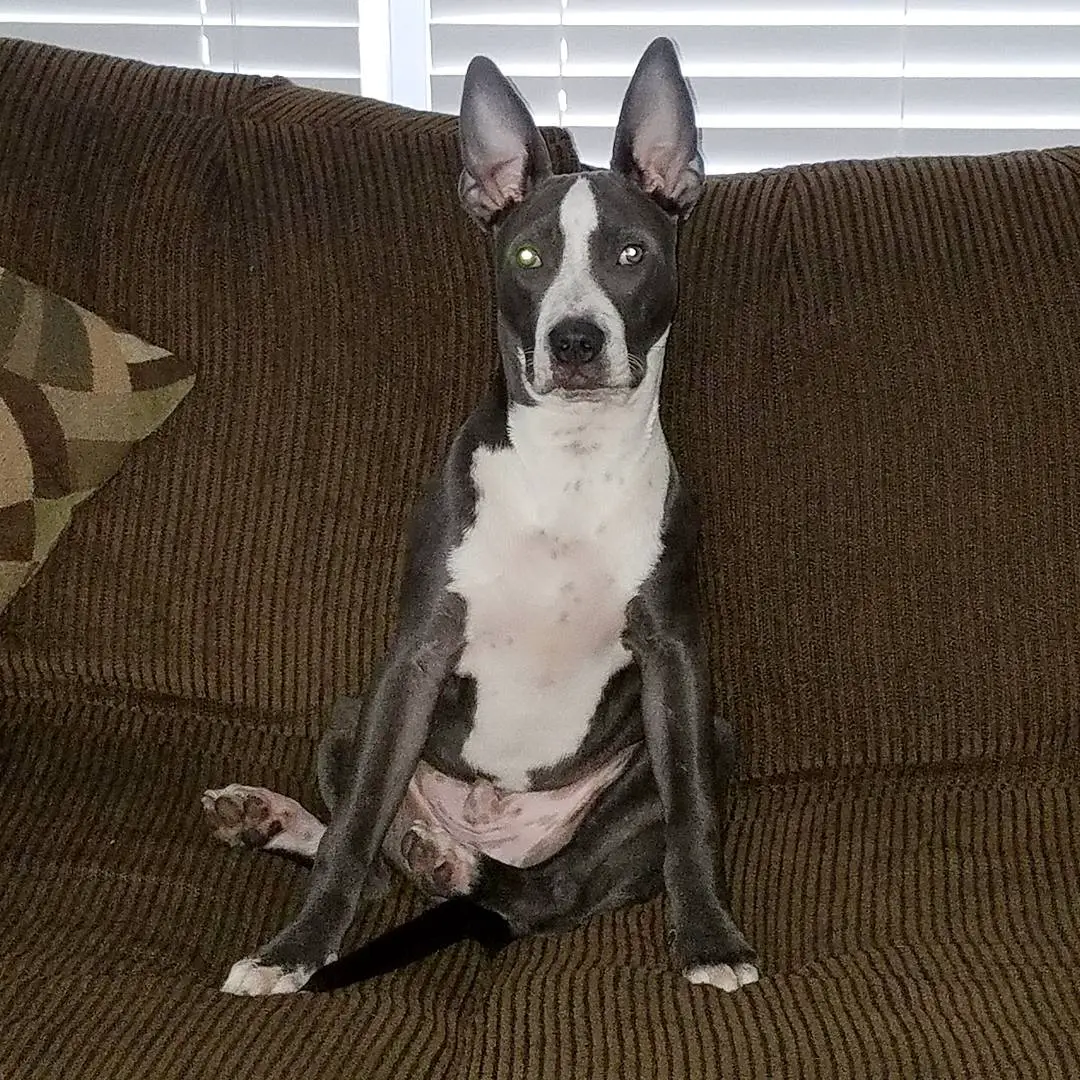
A Pitbull Great Dane mix can be a good family dog when the individual dog is stable, well-socialized, and trained, and when adults supervise carefully. Many Great Danebulls love familiar people and can be gentle with children. The challenge is size. A friendly dog that weighs a lot can knock over a toddler, drag a child on leash, or crowd visitors if manners are not taught.
Families should teach children not to climb on the dog, sit on the dog, pull ears, disturb meals, or approach the dog while sleeping. The dog should have a quiet rest area where children do not bother it. Adults should manage greetings, toys, food bowls, and rough play.
This mix is usually better for families who already understand large dogs or are willing to work with a positive-reinforcement trainer. If you want a similar large-mix comparison, the Pitbull Mastiff Mix guide is a useful sibling article because it covers another heavy, powerful Pitbull-type cross with family-management considerations.
Training and Socialization
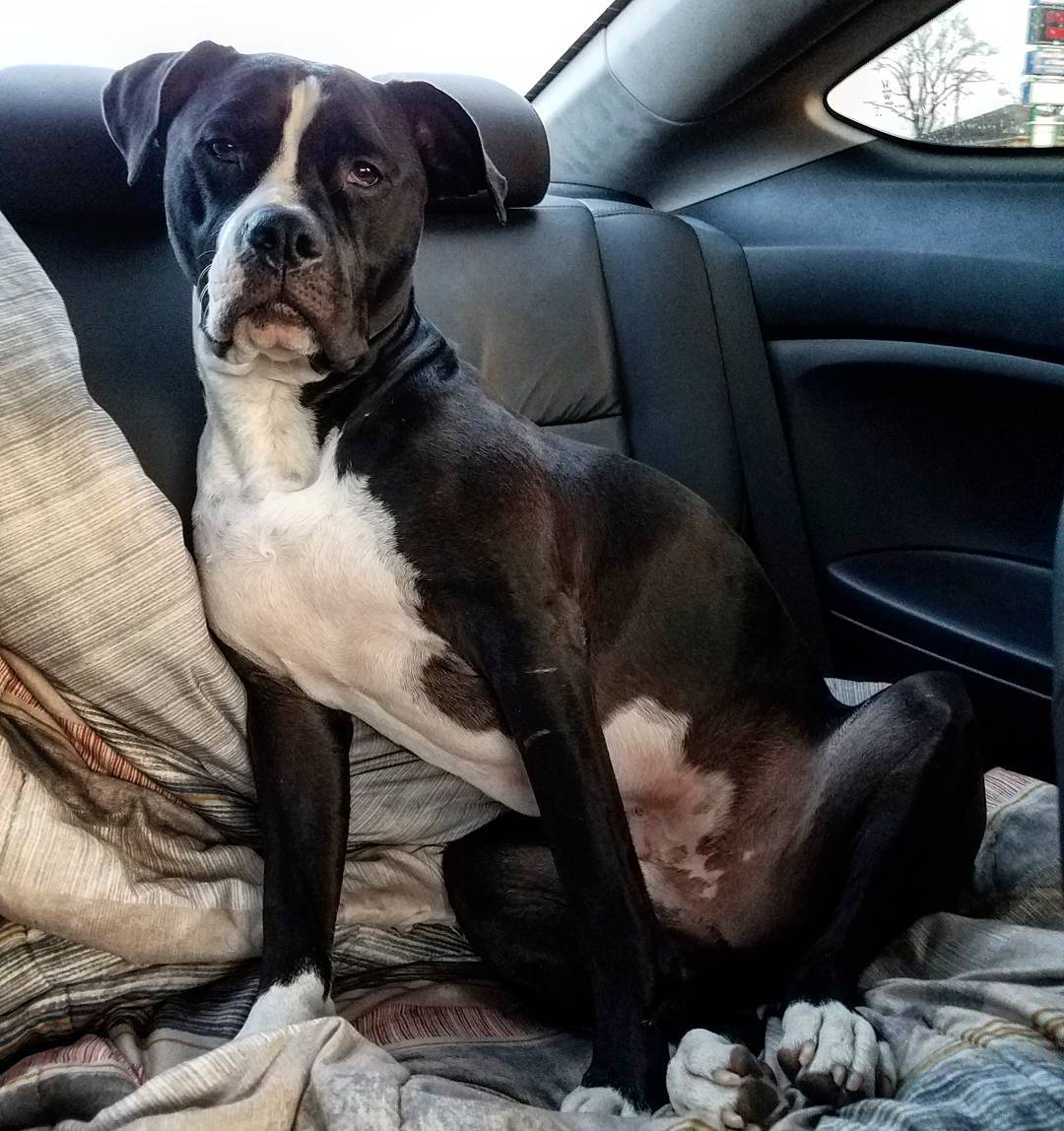
Training should begin as soon as the dog comes home. For a puppy, that means short, upbeat sessions around name response, leash foundations, handling, crate comfort, potty routines, and calm greetings. For an adult rescue, start with decompression, predictable routines, reward-based basics, and controlled introductions.
Socialization does not mean forcing the dog to meet every person or dog. It means building calm, positive exposure to normal life: different surfaces, household sounds, grooming touch, car rides, vet-style handling, visitors, children at a distance, and neutral dogs. Keep sessions short enough that the dog can stay relaxed and successful.
Important Great Danebull skills include:
- Loose-leash walking before the dog is full size.
- Sitting or standing calmly for greetings.
- “Leave it” and “drop it” around toys and food.
- Recall foundations in safe enclosed areas.
- Mat or place training for guests and mealtimes.
- Cooperative handling for nails, ears, paws, and vet exams.
A secure harness can help with control while training leash manners. If the dog has a strong chest and pulls hard, compare options in our best harness for Pitbulls guide, but remember that equipment supports training; it does not replace it.
Exercise Needs
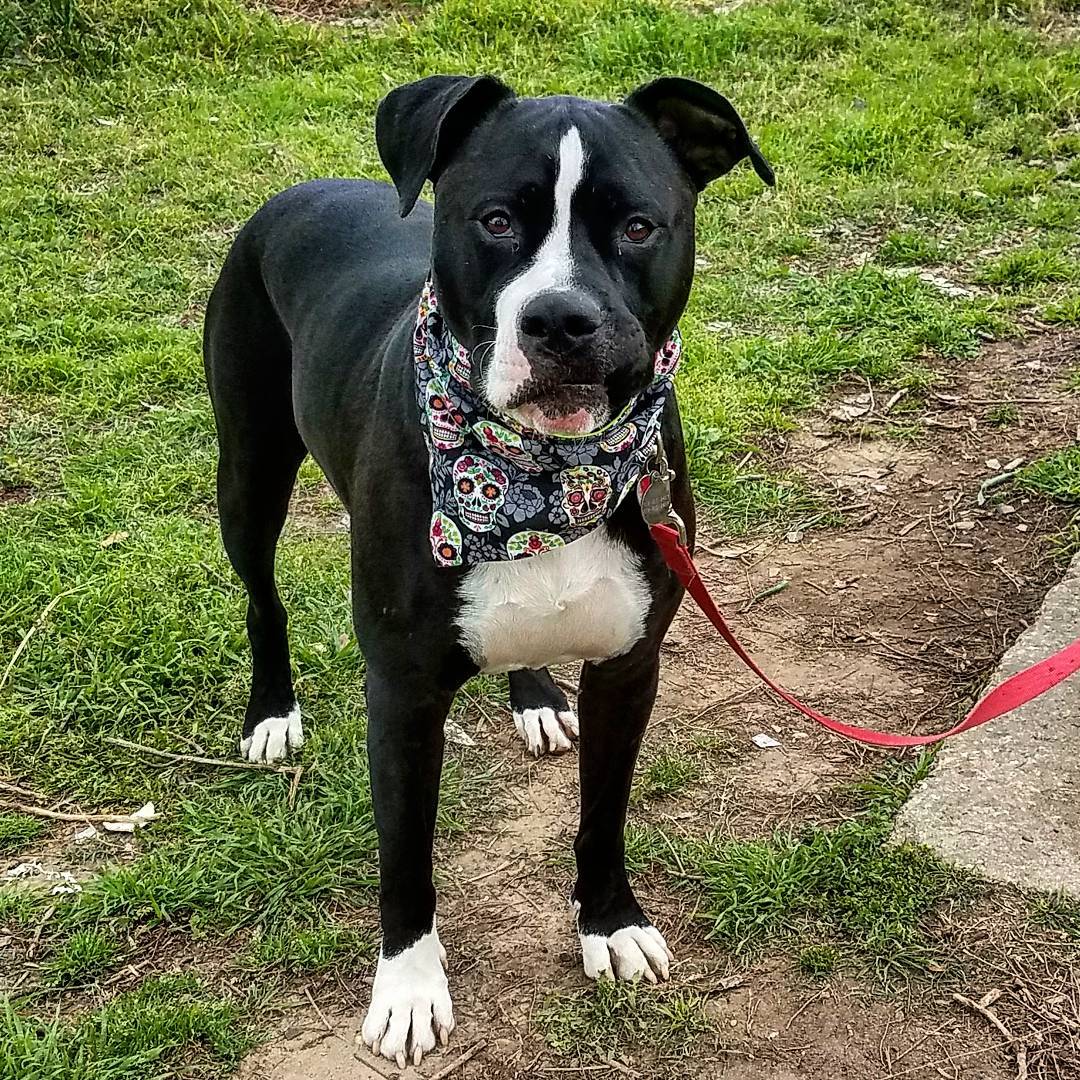
A Pitbull Great Dane mix usually needs daily exercise, but the goal is controlled, joint-friendly activity rather than exhausting the dog. Many do well with walks, sniffing time, training games, gentle fetch, yard play, and mental enrichment. Young dogs should not be pushed into repetitive high-impact jumping or forced long-distance running while their bodies are still developing.
Adult exercise needs depend on structure, weight, health, and temperament. Some Great Danebulls are surprisingly relaxed indoors after a good walk. Others need more training games and enrichment to prevent boredom. Puzzle feeders, scent games, calm tug with rules, and short obedience sessions can tire the mind without overloading joints.
Watch for heat stress, limping, reluctance to rise, excessive panting, or unusual fatigue. Deep-chested and giant-influenced dogs deserve careful exercise timing around meals because bloat/GDV is a serious emergency concern. Ask your veterinarian how to manage feeding and activity routines for your dog’s risk profile.
Feeding a Pitbull Great Dane Mix
Feeding a Great Danebull should focus on steady growth, lean body condition, and veterinary guidance. Because Great Dane influence can bring giant-breed considerations, puppies should not be overfed into rapid growth. Owners should ask a veterinarian whether a large-breed puppy formula, adult maintenance diet, or other feeding plan is appropriate for the dog’s age and body condition.
Avoid guessing portions from internet charts alone. Calories depend on age, weight, neuter status, activity, metabolism, and body composition. You should be able to feel the ribs with light pressure, see a waist from above, and avoid extra weight that stresses hips, knees, elbows, and spine.
Many owners of bully-type mixes also compare protein, calories, and ingredient quality. Our best dog food for Pitbulls guide can help you think through feeding options, but a Great Danebull’s giant-dog size means your veterinarian’s guidance should come first, especially for puppies and dogs with digestive, skin, orthopedic, or weight issues.
Grooming and Everyday Care
Most Pitbull Great Dane mixes have short coats that are easy to brush. Weekly brushing, regular nail trims, ear checks, dental care, and skin checks are usually enough for basic upkeep. Short coats still shed, and some dogs with skin folds, allergies, or sensitive skin may need more attention.
Nail care is especially important for a large dog. Overgrown nails can affect posture, traction, and comfort. Large dogs also need non-slip flooring, a supportive bed, and safe vehicle restraint. If your Great Danebull has a deep chest and long legs, think about ramps, controlled stairs, and calm movement on slick surfaces.
Giant-Mix Health Considerations
The biggest care difference between a Great Danebull and many smaller Pitbull mixes is giant-dog risk. A deep chest, large frame, and heavy body can make certain problems more important to monitor. This article cannot diagnose or replace veterinary care, but owners should know what to discuss with their vet.
Bloat and GDV
Bloat and gastric dilatation-volvulus (GDV) are emergency concerns in deep-chested dogs. Warning signs can include a swollen or tight abdomen, unproductive retching, drooling, restlessness, weakness, pain, or collapse. If you suspect bloat or GDV, treat it as an emergency and contact a veterinarian immediately.
Ask your vet about meal size, feeding routines, exercise timing around meals, body condition, and whether preventive options such as gastropexy are worth discussing for your individual dog.
Joints, hips, elbows, and growth
Large and giant dogs can be more vulnerable to orthopedic strain, especially if they grow too fast, carry extra weight, or do repetitive high-impact activity. Watch for limping, stiffness, bunny-hopping, reluctance to jump, trouble rising, or uneven movement. Vet evaluation is important because early management can improve comfort.
Heart, skin, ears, and weight
Great Dane ancestry can make heart health worth discussing with a veterinarian, while bully-type ancestry may bring skin, ear, and allergy concerns in some dogs. Keeping the dog lean, maintaining routine checkups, and addressing small problems early is safer than waiting until a very large dog is painful or hard to handle.
Pros and Cons of the Great Danebull
| Pros | Cons |
|---|---|
| Often affectionate and people-focused | Adult size can be hard to predict |
| Impressive large-dog presence | Large-dog costs for food, vet care, gear, and transport |
| Can be playful, loyal, and family-oriented | Needs early leash manners and impulse control |
| Short coat is usually simple to maintain | Bloat/GDV and joint concerns require serious awareness |
| Can suit active owners who want a big companion | Not ideal for owners who cannot manage strength or space needs |
Is This Mix Right for You?
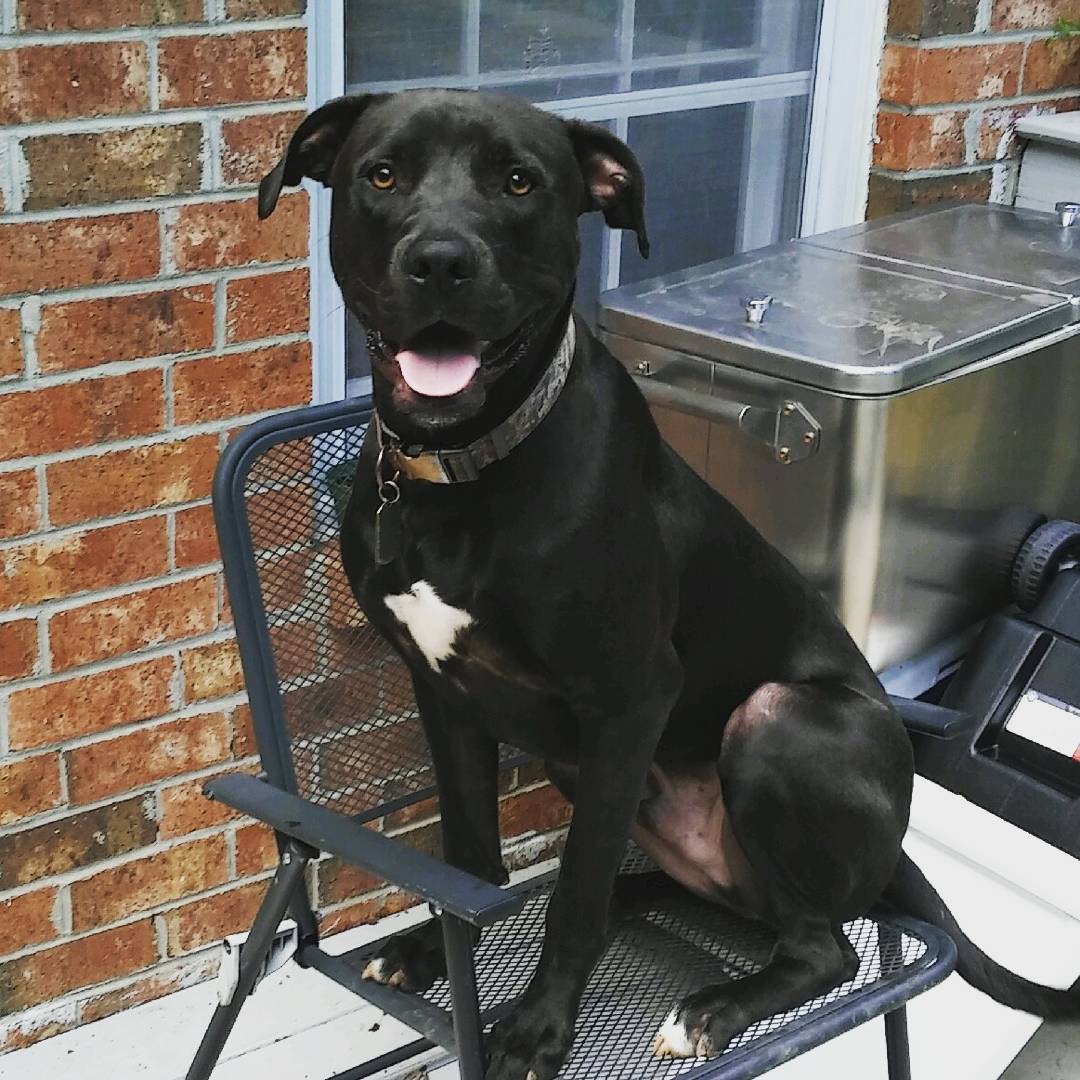
A Pitbull Great Dane mix may be right for you if you want a large companion dog and you are ready for training, socialization, food costs, veterinary care, and daily structure. You should be comfortable managing a powerful dog in public and setting rules at home before bad habits become dangerous because of size.
This mix may not be right if you want a low-cost dog, a small apartment dog, an off-leash dog with no training foundation, or a dog that children can handle without adult help. It is also not a good match for anyone who wants a dog mainly for intimidation. Responsible Great Danebull ownership is about stability, safety, and companionship.
Similar Pitbull Mixes to Compare
If the Great Danebull seems too large or too unpredictable, compare it with other closely related Pitbull mixes:
- Cane Corso Pitbull Mix guide — another large, powerful mix that needs serious training and responsible handling.
- Pitweiler guide — a strong Rottweiler/Pitbull-type cross for owners comparing guarding-breed influence.
- Pitbull Lab Mix guide — often a better comparison for active families wanting a large, playful companion.
FAQs About the Pitbull Great Dane Mix
What is a Pitbull Great Dane mix called?
A Pitbull Great Dane mix is often called a Great Danebull. Some people also call it a Great Dane Pitbull mix or Pitbull Great Dane mix. These names describe the likely ancestry, not a standardized breed with guaranteed traits.
Because “Pitbull” is used broadly, one Great Danebull may have American Pit Bull Terrier ancestry while another may have American Staffordshire Terrier, American Bully, or mixed bully-type ancestry. Always evaluate the individual dog instead of relying only on the label.
How big will a Great Danebull get?
Most Great Danebulls are large dogs, and some may approach giant size if the Great Dane influence is strong. Exact height and weight are difficult to predict from the mix name alone because parent size, sex, genetics, nutrition, and health all matter.
If adult size is a deal-breaker, meet the parents when possible or consider adopting an adult dog. An adult’s real size, energy level, and behavior are much easier to evaluate than a puppy’s future growth.
Are Pitbull Great Dane mixes good with kids?
They can be good with children when the individual dog is stable, trained, socialized, and supervised. Many are affectionate family dogs, but their size means accidental knocks, tail hits, pawing, and leash pulling can be a real issue around small children.
Adults should supervise every interaction, teach children respectful handling, and give the dog a quiet place to rest. No dog should be expected to tolerate climbing, hugging, teasing, or being bothered while eating or sleeping.
Is a Great Danebull aggressive?
A Great Danebull is not automatically aggressive because of its breed mix, but it is also not automatically safe without training and management. Temperament depends on genetics, early experiences, socialization, health, fear, pain, and the owner’s choices.
Responsible owners should use positive training, controlled introductions, secure management, and veterinary care when behavior changes suddenly. Harsh handling can increase fear and conflict, especially in a large, powerful dog.
Can a Pitbull Great Dane mix live in an apartment?
Some calm adult Great Danebulls can live in apartments if the building allows large dogs, there is enough room to move, and the owner provides daily walks, enrichment, and training. Stairs, elevators, narrow hallways, neighbors, and leash control all matter.
A high-energy adolescent Great Danebull in a small apartment can be difficult if the owner cannot provide structure and exercise. Size alone does not rule out apartment living, but poor management, no routine, and limited space can create problems quickly.
How much exercise does a Great Danebull need?
Most need daily walks, training, play, and mental enrichment. The best routine balances activity with joint-friendly management. Long forced runs, repeated jumping, and hard play on slippery surfaces may be risky for young, giant-influenced dogs.
Use your dog’s body condition, age, breathing, movement, and recovery time as guides. If your dog limps, seems stiff, tires unusually quickly, or resists exercise, speak with your veterinarian instead of pushing harder.
What health problems should owners watch for?
Owners should be aware of bloat/GDV signs, joint and hip issues, weight gain, heart concerns, skin and ear problems, and injuries related to size or rough activity. Not every dog will have these problems, but large mixed-breed dogs benefit from preventive care and early attention.
Keep routine vet appointments, maintain a lean body condition, ask about appropriate growth and diet, and treat sudden abdominal distress or collapse as an emergency. Bloat/GDV concerns should never be handled with a wait-and-see approach.
Is the Pitbull Great Dane mix good for first-time owners?
It can be too much dog for many first-time owners, mainly because of size, strength, training needs, and potential health costs. A committed beginner with time, space, a trainer, and a realistic budget may succeed, especially with a stable adult dog.
First-time owners should avoid impulse-buying a puppy from someone who cannot explain the parents, health history, temperament, and early socialization. Meeting adult dogs of similar size can also help you understand what daily management really feels like.