
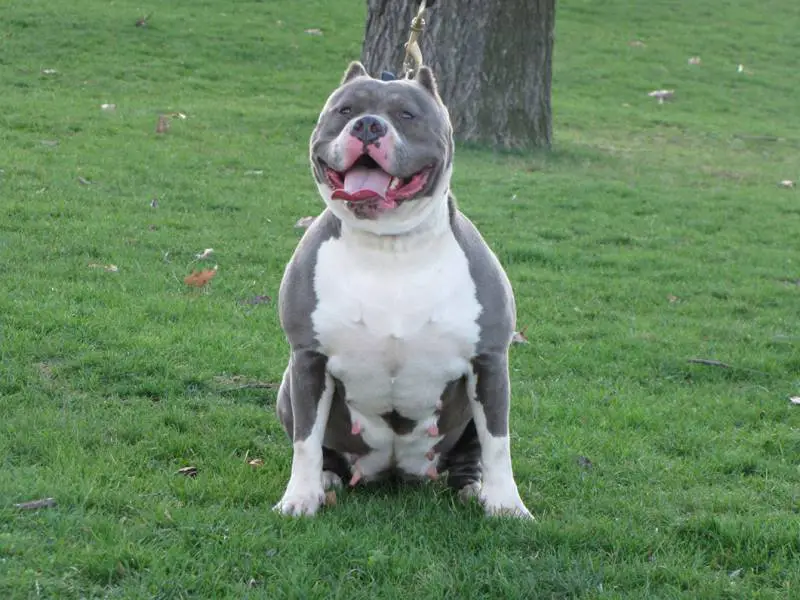
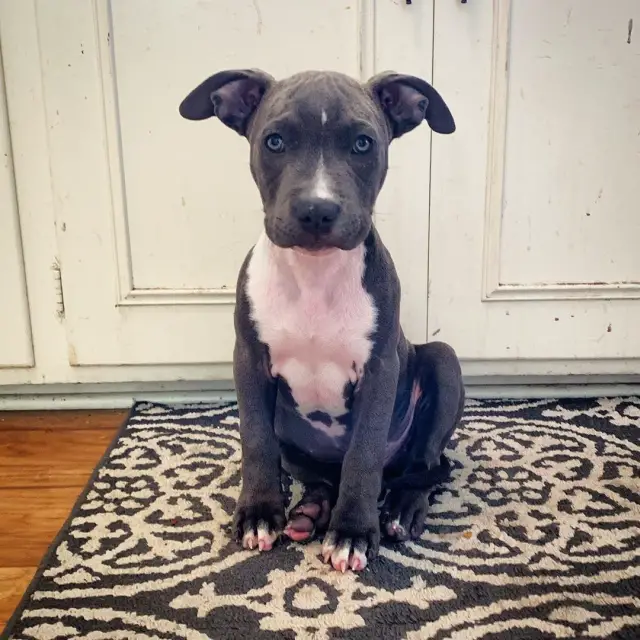
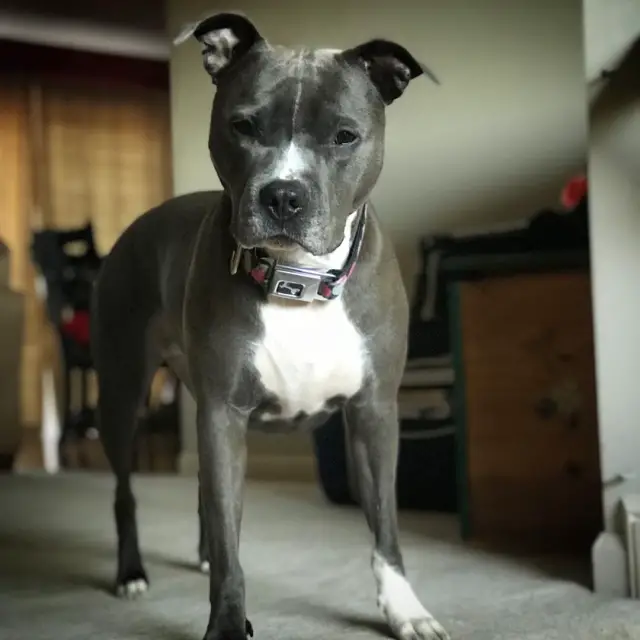
A Blue Nose Pit Bull can stop people in their tracks. The blue-gray coat, charcoal nose, muscular body, and bright expression make this dog look rare and impressive. But the most important thing to know is simple: a blue nose Pit Bull is not a separate breed.
“Blue nose” describes color. It usually refers to a Pit Bull-type dog with a gray or bluish nose, coat, lips, and sometimes nails. These dogs may be American Pit Bull Terriers, American Staffordshire Terrier-type dogs, bully mixes, or similar dogs depending on the registry, breeder, or rescue.
That means color should never be the only thing you look at. Temperament, health, responsible breeding, training, exercise, and local breed rules matter much more than nose color.
Quick Answer: What Is a Blue Nose Pit Bull?
A Blue Nose Pit Bull is a Pit Bull-type dog with blue-gray pigmentation. The “blue” color is really a diluted black/gray shade, not bright blue. Blue nose Pit Bulls are usually affectionate, athletic, strong, people-focused dogs when properly trained and socialized, but they need daily exercise, structure, and responsible ownership.
They are not automatically more aggressive, more valuable, or more purebred than other Pit Bulls. The blue nose is a color trait, not a separate breed or proof of quality.
If you are comparing bully breeds, also read our guide to American Bully vs Pitbull differences.
Blue Nose Pit Bull Quick Facts
| Trait | Typical Range / Notes |
|---|---|
| Breed status | Color variation, not separate breed |
| Common type | Pit Bull-type / APBT or AmStaff-type dogs |
| Size | Often 30–60 pounds, but varies |
| Height | Often about 17–23 inches at the shoulder |
| Coat | Short, smooth, glossy |
| Color | Blue-gray, charcoal, gray, sometimes with white markings |
| Temperament | Loyal, affectionate, energetic, strong, trainable |
| Exercise | High daily exercise and enrichment needs |
| Grooming | Low coat maintenance, but watch skin/ears |
| Best for | Active, consistent owners who train and socialize early |
1. Blue Nose Pit Bulls Are Not a Separate Breed
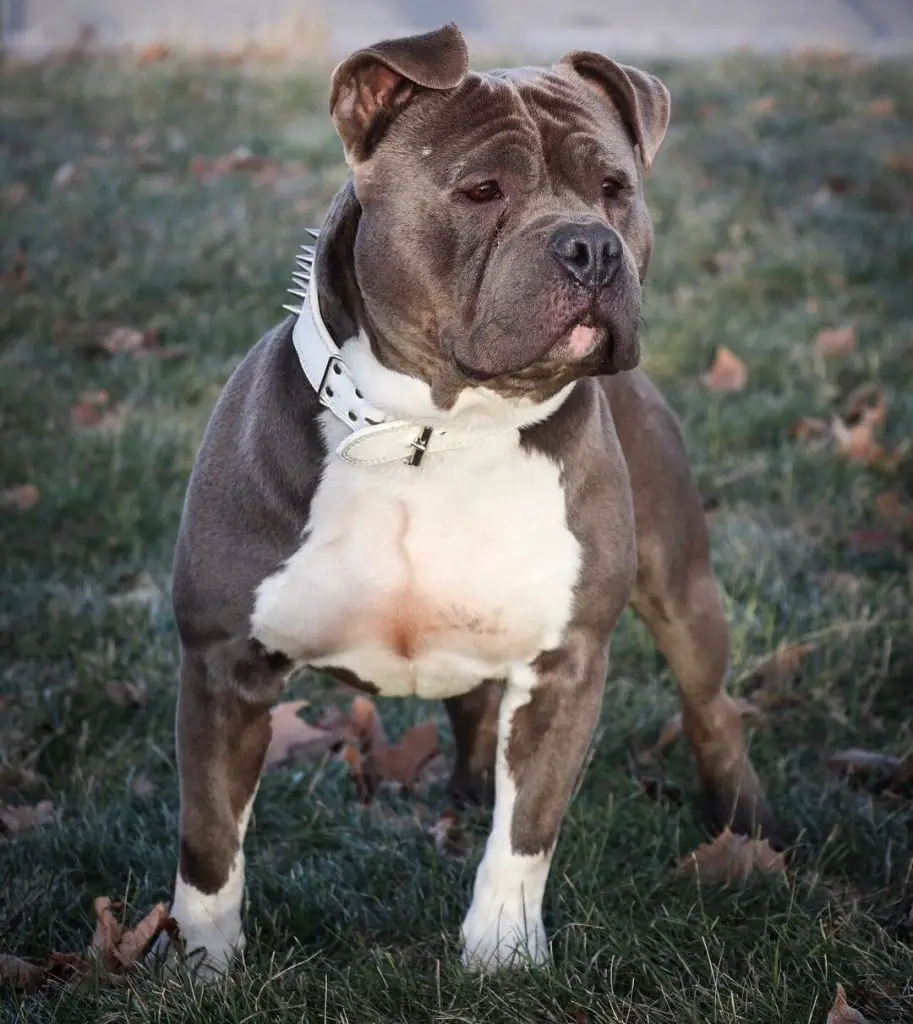
This is the biggest myth. A Blue Nose Pit Bull is not its own official breed. The phrase describes a Pit Bull-type dog with blue-gray pigmentation.
In everyday use, “Pit Bull” can refer to several bully-type dogs, including American Pit Bull Terriers, American Staffordshire Terriers, Staffordshire Bull Terrier-type dogs, American Bullies, and mixes. The blue nose trait can appear within these lines, but the color does not create a new breed.
2. The Blue Nose Comes From Diluted Pigment
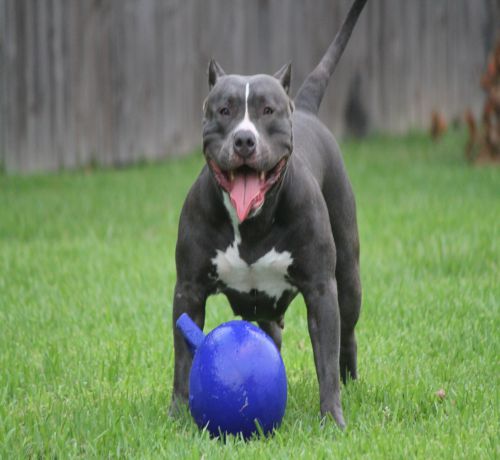
The blue-gray look comes from dilution of black pigment. That dilution can affect the nose, coat, lips, paw pads, and nails.
The result may look silver, charcoal, slate gray, or blue-gray. Some dogs are solid blue-gray, while others have white markings on the chest, face, paws, or neck.
3. Not Every Blue Nose Dog Has a Bright Blue Nose
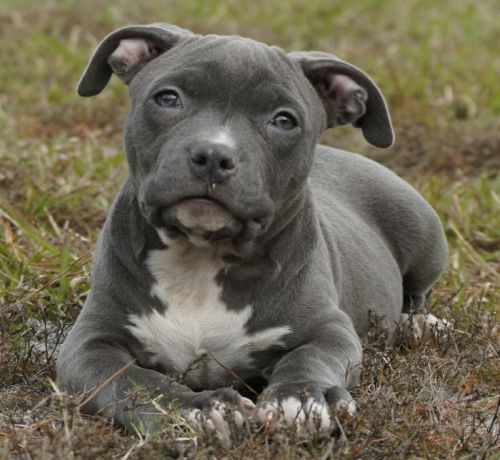
The nose is usually gray, charcoal, or blue-gray rather than bright blue. Lighting, age, coat shade, and skin pigmentation can all affect how the nose looks.
Do not judge quality or health by nose color alone. A healthy, well-socialized dog with a duller gray nose is a better choice than a poorly bred dog marketed as “rare blue.”
4. Blue Nose Does Not Prove a Dog Is Purebred
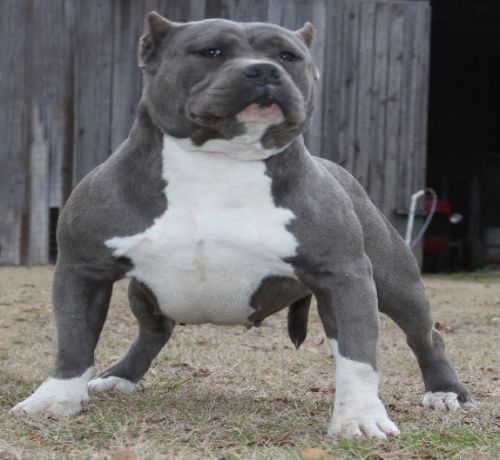
A blue nose does not prove pedigree. Many mixed-breed dogs can have diluted coloring.
If pedigree matters to you, ask for registration papers, health records, and information about the parents. If companionship matters more, focus on temperament, health, and whether the dog fits your home.
5. They Are Usually Strong, Athletic Dogs
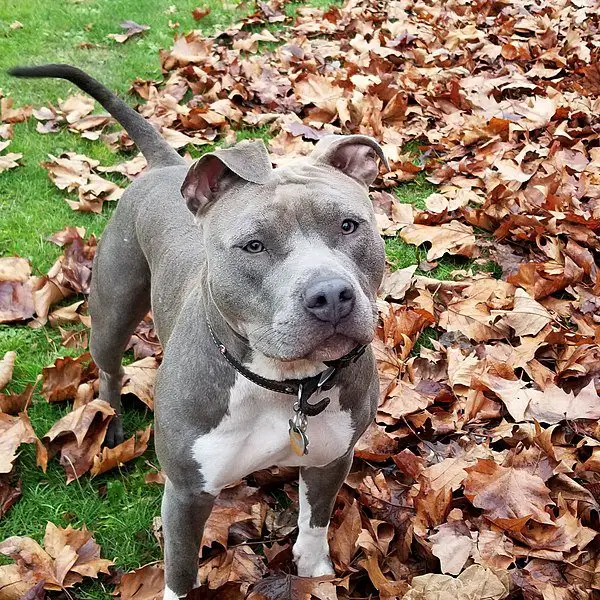
Most Blue Nose Pit Bulls are muscular, medium-sized dogs with broad heads, deep chests, and powerful bodies. They are often agile and energetic, not just stocky couch dogs.
That strength is one reason training matters. A dog that pulls, jumps, or plays too roughly can be hard to manage once fully grown. A comfortable walking setup, such as the best harness for Pitbulls, can help with control during training walks.
6. They Can Be Very Affectionate With People

Well-raised Pit Bull-type dogs are often people-loving, cuddly, and eager to be close to their family. Many owners describe them as “velcro dogs” because they like staying near their people.
That affection is one reason they can make wonderful companions. It also means they may struggle when left alone too long without exercise, training, and enrichment.
7. They Need Early Socialization
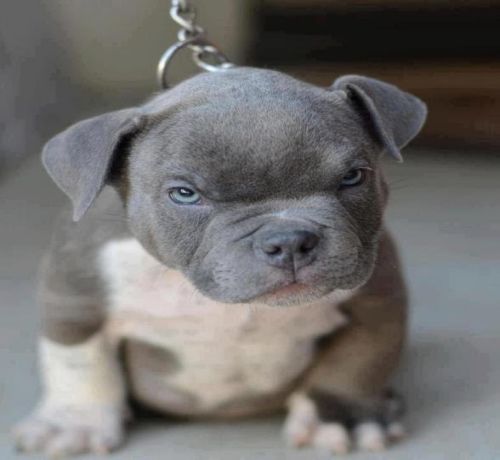
Socialization is not optional. A Blue Nose Pit Bull puppy should have positive, controlled exposure to people, places, sounds, surfaces, handling, and well-mannered dogs.
Good socialization does not mean throwing the puppy into chaotic dog parks. It means carefully building confidence and good habits. If you are working with a rescue or older dog, use a slower plan like our guide on how to socialize a Pitbull.
8. They Are Not Automatically Aggressive
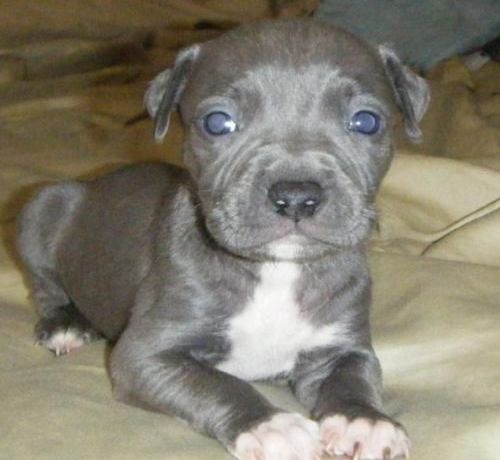
Blue Nose Pit Bulls are not aggressive because of their nose color. Behavior depends on genetics, breeding, training, socialization, health, environment, and owner management.
At the same time, responsible owners should not pretend strength and dog-to-dog tolerance do not matter. Some Pit Bull-type dogs are selective with other dogs, especially as adults. Supervision, training, secure leashes, and realistic expectations are important.
9. They Can Be Great With Children When Managed Properly
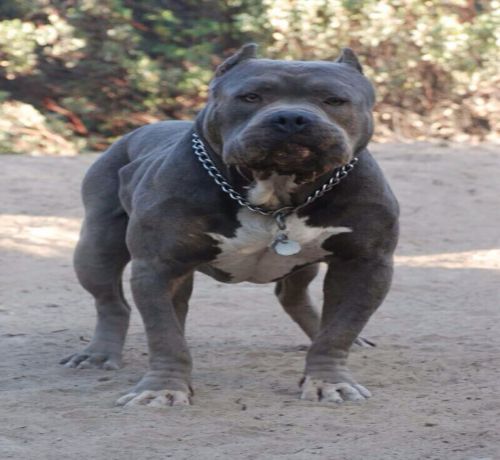
Many Blue Nose Pit Bulls are loving family dogs. Their affectionate nature can make them excellent companions for respectful children.
However, they are strong and enthusiastic. Always supervise dogs and kids together. Teach children not to climb on the dog, grab ears, pull tails, bother the dog while eating, or crowd the dog while sleeping.
10. They Need Serious Daily Exercise
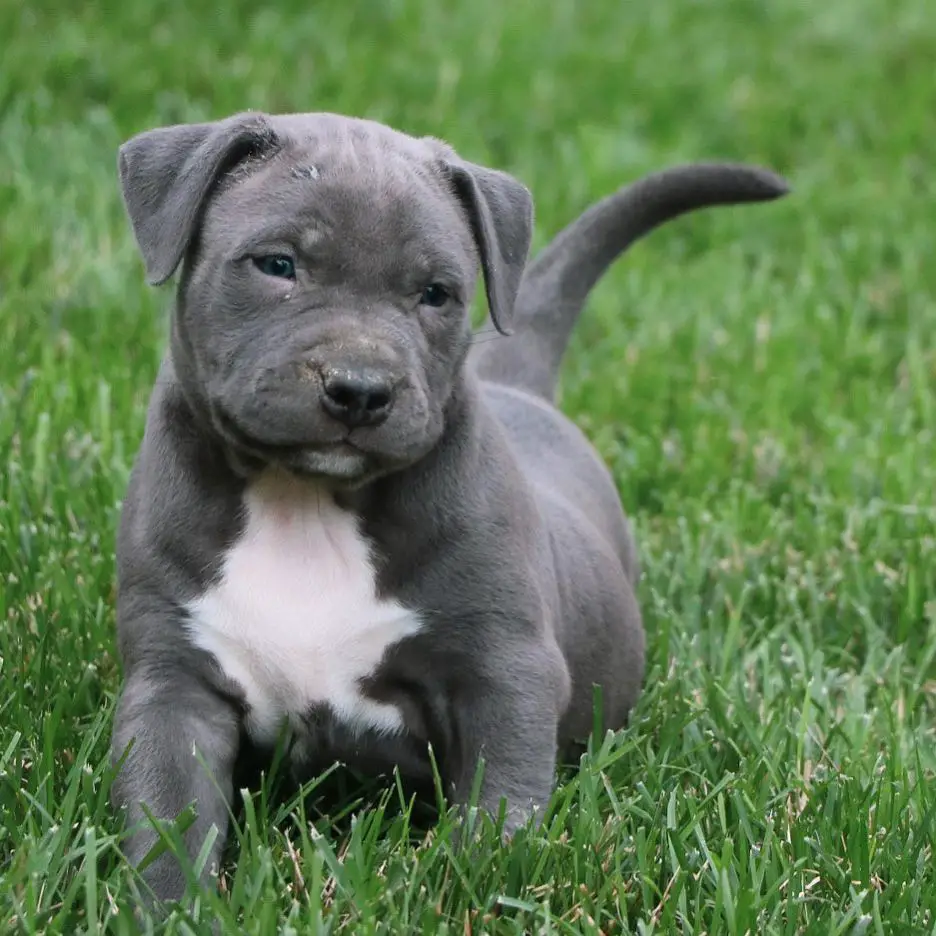
This is an active dog. Most Blue Nose Pit Bulls need daily walks, play, training, and mental stimulation.
A bored Pit Bull may chew, dig, bark, pull, jump, or become difficult to handle. Many do well with structured activities such as obedience training, tug with rules, flirt-pole games, fetch, scent games, and puzzle feeders.
For enrichment ideas, see our guide to durable toys for Pitbulls.
11. They Are Smart and Trainable

Blue Nose Pit Bulls are often intelligent and eager to work with their owners. They usually respond best to positive reinforcement, clear boundaries, and consistency.
Harsh handling can damage trust and create fear. Instead, reward the behavior you want, teach leash manners early, practice calm greetings, and make training part of daily life.
12. They May Not Be Natural Guard Dogs
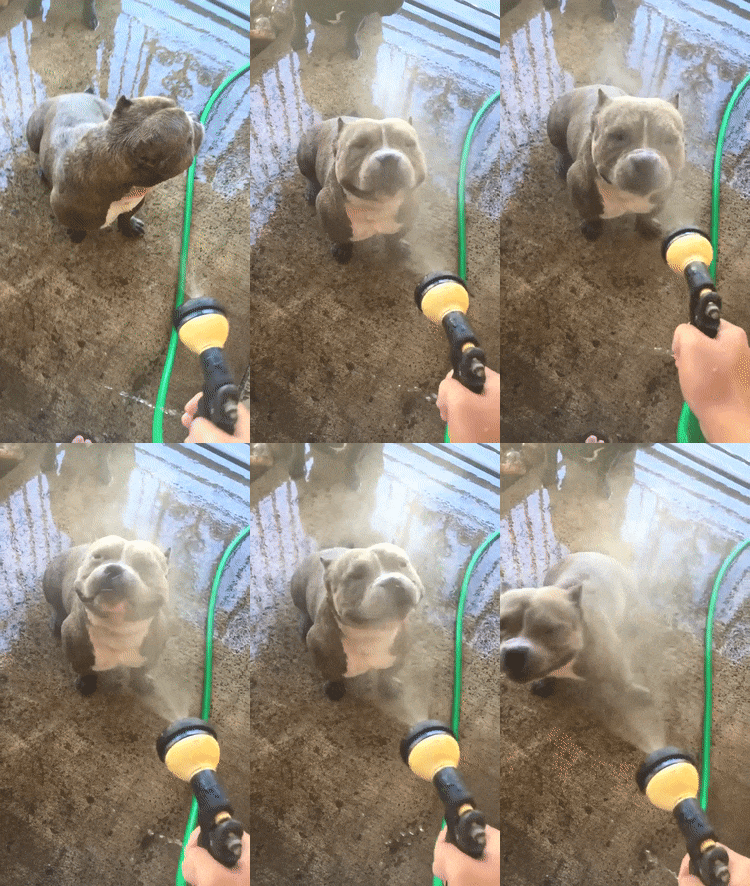
Pit Bull-type dogs can look intimidating, but many are friendly toward people when well socialized. Some are more likely to greet a stranger with excitement than suspicion.
Do not choose a Blue Nose Pit Bull because you want a “scary” dog. Choose one because you want an active, loyal companion and are ready to train responsibly.
13. Skin and Allergy Issues Can Happen
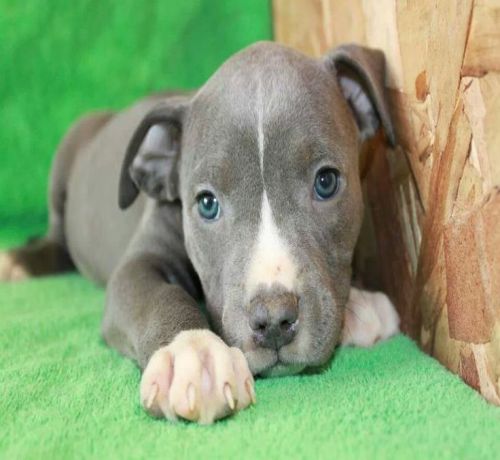
Blue-coated dogs in several breeds can be prone to skin sensitivity, and Pit Bull-type dogs may also experience allergies, itching, ear problems, or skin infections.
Watch for:
- Chronic scratching
- Red skin
- Hot spots
- Hair thinning
- Recurrent ear infections
- Paw licking
- Digestive upset with itching
If symptoms continue, talk to your veterinarian. Food allergies and environmental allergies require proper diagnosis; guessing with random diet changes can make the problem harder to solve.
14. Food and Weight Management Matter
A muscular dog still needs a controlled diet. Extra weight can stress joints and reduce stamina.
Choose a balanced food appropriate for your dog’s age, weight, activity level, and health needs. If you want help comparing diets, start with our guide to the best dog food for Pitbulls.
15. Blue Nose Pit Bulls Are Often Marketed as Rare
Some breeders charge more for “rare blue nose” puppies. Blue coloring can be less common than some coat colors, but rare does not automatically mean better.
Be cautious if a breeder focuses more on color and price than health, temperament, parent dogs, socialization, and lifetime support.
16. Blue Nose vs Red Nose Pit Bull Is Mostly Color
The main difference is pigmentation. Blue Nose Pit Bulls have gray/blue-toned noses and coats. Red Nose Pit Bulls usually have reddish-brown noses, coats, lips, and nails.
Temperament and health depend on the individual dog and breeding, not just nose color. For the other color variation, read our full Red Nose Pitbull guide.
17. Blue Eyes Usually Change as Puppies Grow
Many puppies have blue-looking eyes when young. In most Pit Bull-type dogs, the eyes darken as the puppy matures.
Adult blue eyes can happen, but they are not the standard expectation for every Blue Nose Pit Bull. Eye color should not be used as the main reason to buy a puppy.
18. Breed Restrictions Can Affect Ownership
Before adopting or buying a Blue Nose Pit Bull, check your local laws, landlord rules, HOA policies, and insurance restrictions.
Some areas restrict Pit Bull-type dogs or dogs that resemble them. These rules can affect housing, travel, insurance, and rescue adoption requirements.
19. Adoption Is a Strong Option
Many wonderful Pit Bull-type dogs are available through shelters and rescues. Adoption can also give you more information about an adult dog’s real temperament, energy level, and dog-to-dog tolerance.
If you adopt, ask about:
- Behavior around people
- Behavior around other dogs
- Cat or small-animal history
- Leash manners
- Crate training
- Medical history
- Skin or allergy issues
- Energy level in foster care
20. The Right Owner Matters More Than Nose Color
The best Blue Nose Pit Bull owner is active, patient, consistent, and realistic. This dog needs exercise, socialization, training, good food, vet care, and secure management.
If you want a loyal, affectionate, energetic companion and you are ready to put in the work, a Blue Nose Pit Bull can be a fantastic dog. If you want a low-effort pet or only care about the “rare” color, this is probably not the right match.
Blue Nose Pit Bull Care Checklist
- Give daily exercise and mental enrichment.
- Start training and socialization early.
- Use positive reinforcement and clear routines.
- Keep the dog lean and fit.
- Watch for skin, ear, and allergy symptoms.
- Use secure fencing and a strong leash setup.
- Supervise children and dog interactions.
- Check local breed restrictions before adopting.
- Choose rescue or a responsible breeder, not color-only marketing.
FAQs About Blue Nose Pit Bulls
Are Blue Nose Pit Bulls dangerous?
They are not dangerous because of their nose color. Like any strong dog, they need responsible ownership, training, socialization, supervision, and secure handling. Individual behavior matters more than color.
Are Blue Nose Pit Bulls more aggressive than other Pit Bulls?
No reliable evidence says blue nose dogs are more aggressive because of their color. Temperament depends on genetics, breeding, training, socialization, health, and environment.
How big do Blue Nose Pit Bulls get?
Many Pit Bull-type dogs are around 30–60 pounds and about 17–23 inches at the shoulder, but size varies depending on the dog’s actual breed background and parents.
Are Blue Nose Pit Bulls good family dogs?
They can be excellent family dogs for active, responsible homes. They should be trained, socialized, exercised, and supervised around children like any strong breed.
Do Blue Nose Pit Bulls have more health problems?
Not automatically, but blue-coated dogs may be prone to skin or coat sensitivity, and Pit Bull-type dogs can have allergies, skin issues, joint concerns, or other health problems. Regular vet care is important.
How much does a Blue Nose Pit Bull puppy cost?
Prices vary widely by breeder, location, pedigree, health testing, and demand. Be careful with breeders who charge high prices only because of color and do not provide health or temperament information.
Should I buy or adopt a Blue Nose Pit Bull?
Adoption is a great option because many Pit Bull-type dogs need homes. If buying, choose a responsible breeder who prioritizes health, temperament, and socialization over color marketing.
What should I name a Blue Nose Pit Bull?
Names inspired by color, strength, loyalty, and personality are popular. For ideas, browse our list of Pitbull names.
Final Thoughts
Blue Nose Pit Bulls are beautiful dogs, but the blue-gray color is only one small part of the story. They are not a separate breed, and they are not automatically better, rarer, healthier, or more aggressive than other Pit Bull-type dogs.
What matters most is the individual dog: temperament, health, training, socialization, and the owner’s ability to provide structure. Choose carefully, avoid color-only hype, and focus on raising a stable, healthy, well-mannered companion.
—