
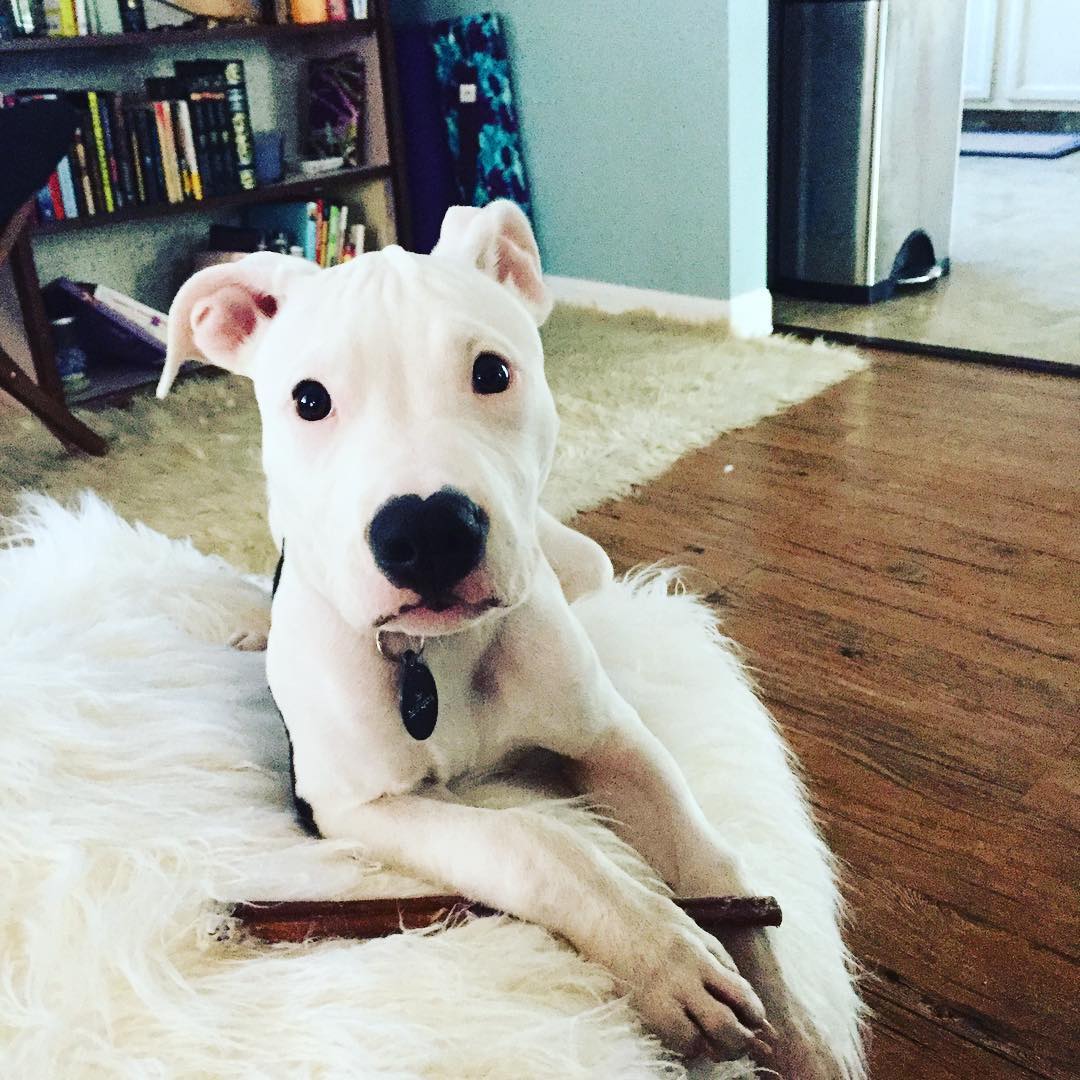
A Pitbull Beagle Mix is a lively, affectionate, medium-sized mixed dog that often blends the Beagle’s nose-driven curiosity with the strength, confidence, and people-focused nature of a Pit Bull-type dog. You may also hear this mix called a Beagle Bull, Beaglebull, Beagle Pit, Pit Bull Beagle mix, or Beagle Pitbull mix.
This mix can be funny, loyal, playful, and full of personality. It can also be stubborn, food-motivated, scent-obsessed, and stronger than it looks. The right owner needs patience, daily exercise, leash skills, socialization, and a secure yard or walking setup.
Below is a practical guide to Beagle Bull size, temperament, training, grooming, health, family fit, and what to expect before adopting or buying one.
Quick Answer: What Is a Pitbull Beagle Mix?
A Pitbull Beagle Mix is a cross between a Beagle and a Pit Bull-type dog, often an American Pit Bull Terrier, American Staffordshire Terrier, or similar bully-type parent. Because “Pit Bull” is commonly used as an umbrella label, the exact ancestry can vary.
Most Beagle Bulls are medium-sized, short-coated, energetic, affectionate, and people-oriented. Many have strong noses, high food motivation, and a playful but determined personality. They usually do best with owners who can provide exercise, positive training, and secure management.
If you are still learning about bully-type dogs, start with our broader Pitbull dogs guide and our guide to Pitbull mixes.
Pitbull Beagle Mix Quick Facts
| Trait | Typical Details |
|---|---|
| Common names | Beagle Bull, Beaglebull, Beagle Pit, Pit Bull Beagle Mix |
| Parent breeds | Beagle + Pit Bull-type dog |
| Size | Usually medium-sized |
| Weight | Often about 30–60 pounds, depending on parents |
| Height | Often about 17–22 inches at the shoulder |
| Coat | Short, smooth, easy to brush |
| Shedding | Low to moderate, sometimes seasonal |
| Temperament | Affectionate, curious, playful, loyal, energetic |
| Exercise needs | Moderate to high |
| Training style | Positive, consistent, food/reward-based |
| Lifespan | Often around 10–15 years |
| Best for | Active homes that can manage scent drive and strength |
Names: Beagle Bull, Beaglebull, Beagle Pit, and Pit Bull Beagle Mix
This mix has several names because it is not a standardized purebred breed. Beagle Bull and Beaglebull are the most common. Beagle Pit, Pit Bull Beagle Mix, and Beagle Pitbull Mix are also used.
The name does not guarantee exact size, temperament, or appearance. One dog may look like a Beagle with a broader head. Another may look more muscular and bully-like with Beagle ears and hound coloring.
When choosing a dog, focus less on the label and more on the individual dog. Ask about energy level, dog tolerance, prey drive, leash manners, food motivation, health history, and how the dog behaves in a real home.
Appearance and Size

A Pitbull Beagle Mix is usually a compact, muscular, medium-sized dog. Many have a short coat, sturdy chest, strong legs, expressive eyes, and medium-length ears. Some have classic Beagle markings, while others are solid, brindle, patched, or mixed-colored.
Common adult weight is often around 30–60 pounds, but mixed dogs vary. A Beagle-heavy dog may stay smaller and more hound-like. A bully-type-heavy dog may be broader, stronger, and heavier.
Do not judge health by bulk. A lean, athletic Beagle Bull is usually healthier than an overweight one. You should be able to feel the ribs without pressing hard, and the dog should have a visible waist.
Temperament: What Are Beagle Bulls Like?

A well-raised Beagle Bull is often affectionate, playful, curious, and family-oriented. Many are goofy dogs that enjoy sniffing, eating, playing, cuddling, and being involved in daily life.
The Beagle side can add scent drive, independence, vocal behavior, and a strong desire to follow interesting smells. The Pit Bull-type side can add strength, determination, people-focus, and athleticism. Together, this can create a dog that is loving but not always easy.
The best Beagle Bulls have structure. They need exercise, training, sniffing outlets, chew toys, and clear rules. Without those things, they may bark, dig, pull on leash, raid trash cans, steal food, or ignore recall when they catch a scent.
Are Pitbull Beagle Mixes Good Family Dogs?
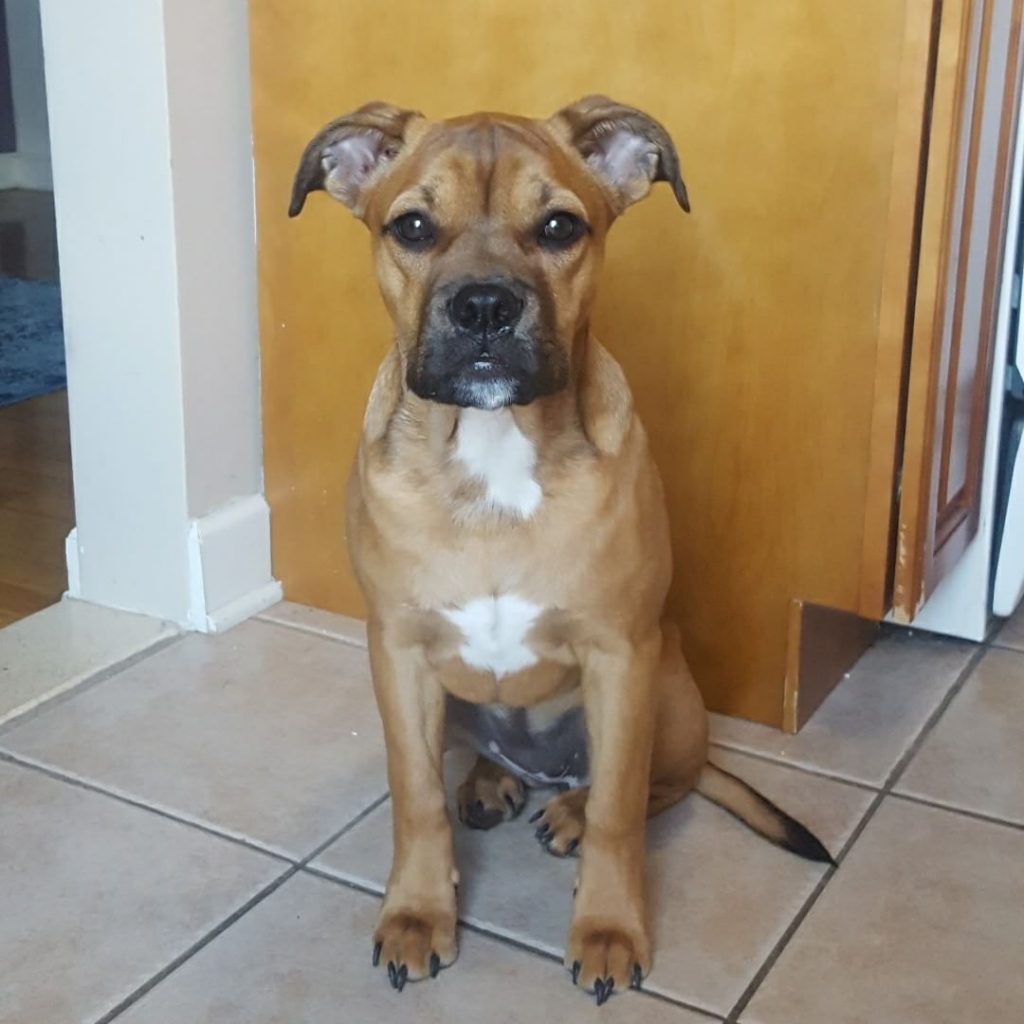
Yes, a Pitbull Beagle Mix can be a great family dog in the right home. Many are affectionate with children and enjoy a busy household. Their playful personality can make them fun companions for active families.
However, children and dogs still need supervision. A Beagle Bull can be strong, bouncy, and food-motivated. Teach kids not to tease the dog with food, pull ears, climb on the dog, or bother it while sleeping.
This mix is usually best for families that can provide daily walks, enrichment, training, and secure management. If your household wants a low-energy dog that never pulls, barks, sniffs, or chases, this may not be the easiest match.
Are Beaglebulls Aggressive?
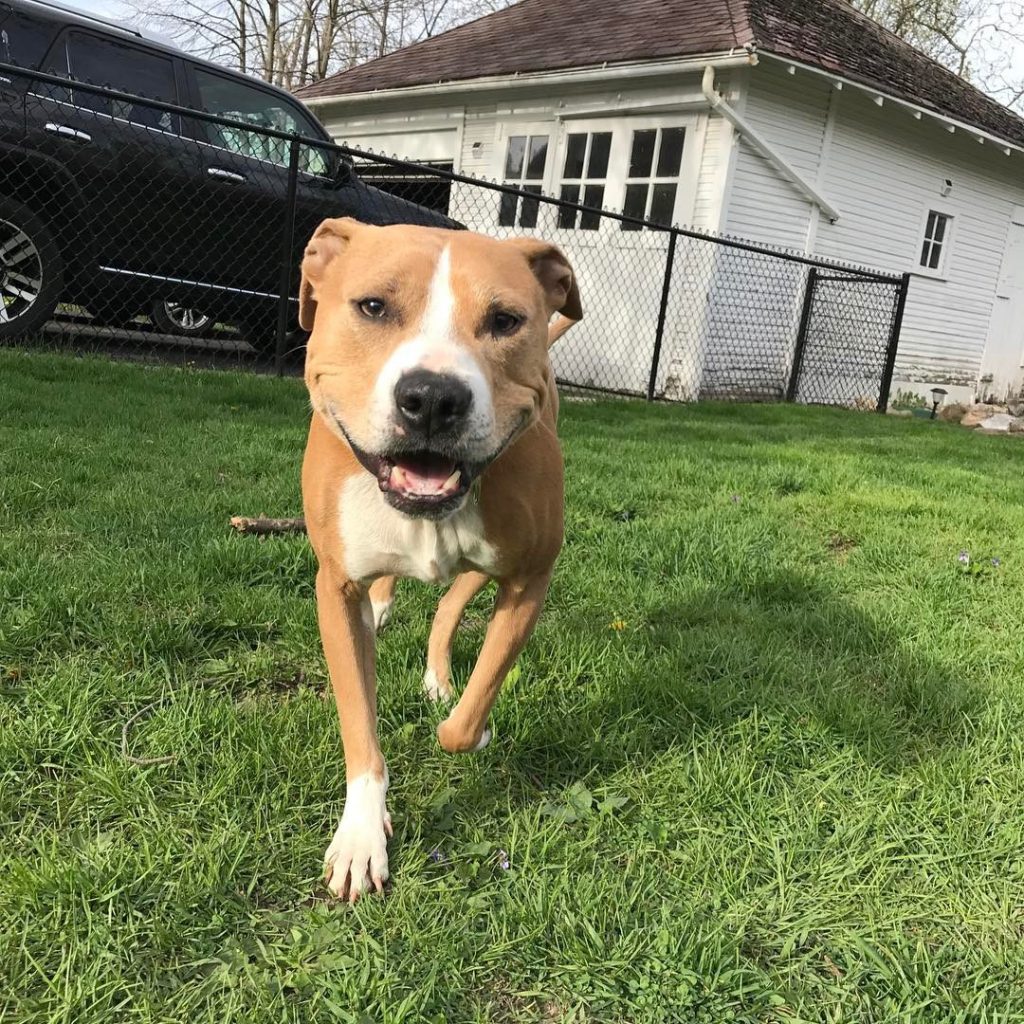
A Beaglebull is not automatically aggressive. Behavior depends on genetics, early experiences, socialization, training, health, environment, and owner management.
That said, this is a strong mixed dog with hound instincts and possible bully-type dog selectivity. Some Beagle Bulls are social with dogs. Others may be selective as adults. Some may chase cats or small animals because scent hounds were bred to follow prey trails.
Use careful introductions, reward calm behavior, and avoid forcing greetings. If your dog shows growling, guarding, lunging, snapping, or sudden behavior changes, start with a veterinary check and then work with a qualified reward-based trainer.
Training a Pitbull Beagle Mix
Training should be positive, consistent, and realistic. Beagle Bulls are often smart and food-motivated, but they can also be stubborn when their nose takes over.
Focus on practical skills:
- Loose-leash walking
- Leave it and drop it
- Recall in fenced or safe areas
- Wait at doors and gates
- Calm greetings without jumping
- Food manners and counter-surfing prevention
- Crate or safe-space comfort
- Handling for ears, paws, mouth, and grooming
Do not rely on off-leash control in open spaces. A Beagle-influenced dog may ignore you when it locks onto a scent. Use a leash, long line, or secure fenced area until recall is truly reliable.
For socialization help, read our guide on how to socialize a Pitbull.
Exercise and Enrichment
A Pitbull Beagle Mix usually needs daily exercise and mental enrichment. A quick potty walk is not enough for many adults.
Good outlets include:
- Brisk walks
- Sniff walks
- Food puzzle toys
- Scent games
- Tug with rules
- Fetch in a secure area
- Basic obedience practice
- Hide-and-seek treats
- Supervised chew time
Because this dog may pull hard when it smells something, equipment matters. A well-fitted harness can help you manage walks while training loose-leash skills. See our guide to the best harness for Pitbulls.
Living With Other Dogs, Cats, and Small Pets
Some Beagle Bulls live well with other dogs. Beagles were bred to work in packs, which can support social behavior, while some Pit Bull-type dogs may be more selective with dogs. The mix can go either way.
Introduce dogs slowly and supervise valuable resources like food, chews, toys, and beds. Do not assume a dog will love every dog park just because it is friendly at home.
Be careful with cats, rabbits, chickens, and small pets. The Beagle side may bring strong scent/prey interest. Use leashes, baby gates, crates, and slow introductions, and never leave a new dog unsupervised with small animals.
Food and Weight Management
Beagle Bulls are often food-motivated. That helps training, but it also means weight gain can happen quickly if meals, treats, and table scraps are not controlled.
Feed a complete and balanced diet for your dog’s age, size, activity level, and body condition. Measure meals instead of free-feeding. Use part of the daily food allowance for training treats or puzzle feeders.
If your dog has recurring itching, ear infections, vomiting, diarrhea, or paw licking, talk to your veterinarian before trying random food changes. Food allergy diagnosis often requires a strict 8–12 week veterinary elimination diet. For general feeding support, see our guide to the best dog food for Pitbulls.
Grooming and Shedding
Most Pitbull Beagle Mixes have short coats that are easy to maintain. Weekly brushing is usually enough, though seasonal shedding may require extra brushing.
Routine grooming should include:
- Brushing once or twice weekly
- Baths only when needed
- Nail trims before nails click on the floor
- Tooth brushing when possible
- Ear checks for odor, redness, wax, or irritation
- Skin checks for hot spots, bumps, or itching
Pay special attention to ears. Beagle-influenced dogs may have floppy ears that can trap moisture and debris. If your dog shakes its head, scratches its ears, or has odor/discharge, schedule a vet visit.
Common Health Problems
A Beaglebull can be healthy, but it may inherit issues from either parent side. Good weight control, vet care, exercise, and early treatment of symptoms are important.
Potential concerns include:
- Hip dysplasia or joint pain
- Patellar luxation or knee issues
- Allergies, itchy skin, and ear infections
- Obesity
- Eye issues
- Thyroid problems
- Seizures or epilepsy
- Dental disease
- Gastrointestinal sensitivity
Call your vet if your dog limps, scratches constantly, shakes its head, gains or loses weight suddenly, has repeated stomach upset, or shows sudden behavior changes. Do not assume recurring symptoms are normal for the mix.
Lifespan
Many Pitbull Beagle Mixes live around 10–15 years. Lifespan depends on genetics, weight, diet, exercise, vet care, dental care, and how early health problems are treated.
Help your dog live well by keeping it lean, providing daily movement, scheduling routine vet visits, preventing parasites, and addressing dental health. Extra weight is especially important to avoid because it stresses joints and can worsen mobility problems.
As your Beagle Bull becomes a senior, adjust exercise to lower-impact walks, sniffing games, and shorter play sessions. Watch for stiffness, lumps, coughing, confusion, appetite changes, or new anxiety.
Adoption, Breeders, and Price
Many Beagle Pit mixes are found through shelters and rescues. Adoption can be a smart choice because foster notes may tell you about the dog’s real energy level, house manners, dog tolerance, cat behavior, and leash habits.
If buying from a breeder, avoid anyone who only advertises rare colors, “tough” looks, or extreme size. A responsible breeder should care about health, temperament, parent dogs, socialization, and the puppy’s future home.
Before bringing one home, check local breed rules, rental policies, HOA restrictions, and insurance rules. Some places restrict Pit Bull-type dogs or mixes regardless of the individual dog’s behavior.
Similar Pitbull Mixes to Compare
If you are researching mixed breeds, compare the Beagle Bull with other Pitbull mixes. A Pitbull Lab Mix guide can help if you want a larger, retriever-style companion. A Pitbull Boxer Mix may be a better comparison if you like active, goofy, muscular dogs.
If you adopt a Beagle Bull, you may also want durable toys for Pitbulls because many of these dogs love chewing, tug, and puzzle play. And if you need naming ideas, browse our list of Pitbull names.
FAQs About Pitbull Beagle Mix Dogs
What is a Pitbull Beagle Mix called?
A Pitbull Beagle Mix is commonly called a Beagle Bull, Beaglebull, Beagle Pit, Pit Bull Beagle Mix, or Beagle Pitbull Mix. These names usually describe the same general cross between a Beagle and a Pit Bull-type dog.
The exact ancestry can vary because “Pit Bull” is often used broadly. One dog may have American Pit Bull Terrier ancestry, while another may have American Staffordshire Terrier, American Bully, or mixed bully-type ancestry.
If background matters, ask for records or consider a DNA test. If you are choosing a pet, focus more on temperament, energy level, health, and lifestyle fit.
How big does a Beagle Bull get?
Many Beagle Bulls weigh about 30–60 pounds and stand around 17–22 inches at the shoulder. Some stay closer to Beagle size, while others inherit more bulk and strength from the bully-type parent.
The best clue is the size of the parents, but mixed-breed puppies can still surprise you. Nutrition, sex, genetics, and body condition all affect adult size.
Do not try to make the dog bigger by overfeeding. A lean Beagle Bull is usually healthier, more mobile, and less likely to develop weight-related joint strain.
Are Pitbull Beagle Mixes good family dogs?
Yes, many Beagle Bulls are affectionate family dogs in the right home. They often enjoy play, attention, walks, and being included in daily routines.
They still need supervision around children. This mix can be bouncy, strong, and food-driven, so children should learn not to tease the dog, grab food, or interrupt rest time.
A Beagle Bull is usually best for active families. If your family can provide walks, training, scent games, and rules, this mix can be a fun companion.
Are Beaglebulls aggressive?
Beaglebulls are not automatically aggressive. Behavior is shaped by genetics, socialization, training, health, environment, and how the dog is managed.
Some may be very friendly with people and dogs. Others may be cautious, reactive, dog-selective, or highly prey-driven. The key is to evaluate the individual dog, not just the label.
If you see concerning behavior, do not wait until it becomes serious. Rule out pain or illness with your vet, then work with a qualified reward-based trainer.
Are Pitbull Beagle Mixes good with cats?
Some can live with cats, especially if raised with them and introduced carefully. Others may chase cats because of Beagle scent drive, terrier/bully prey interest, or simple excitement.
Use slow introductions with barriers, leashes, crates, and supervision. Give cats escape routes and high resting places. Never force close contact.
If your dog fixates, stalks, lunges, or cannot disengage from the cat, get professional help and manage the animals separately.
How much exercise does a Pitbull Beagle Mix need?
Most need daily walks plus active play or mental enrichment. Many adults do well with one to two walks per day, sniffing time, training games, and puzzle feeders.
Scent work is especially useful. A Beagle-influenced dog may feel more satisfied after a structured sniff walk than after a plain fast walk with no nose time.
Keep exercise age-appropriate. Puppies should not do long forced runs, and senior dogs may need shorter, lower-impact sessions.
Are Pitbull Beagle Mixes easy to train?
They can be very trainable, especially with food rewards, but they are not always easy. The Beagle side may follow its nose, while the Pit Bull-type side may add strength and determination.
Short, upbeat sessions work best. Reward the behavior you want, manage the environment, and practice around gradually harder distractions.
Recall training needs extra care. Even a trained Beagle Bull may chase a scent, so use fenced areas or long lines when safety matters.
Do Beagle Bulls shed?
Yes, most Beagle Bulls shed, but the short coat is usually manageable. Weekly brushing helps remove loose hair and keeps the coat healthier.
Shedding may increase during seasonal changes. Bathing too often can dry the skin, so bathe only when needed or as advised by your vet.
If shedding comes with bald spots, redness, odor, scabs, or constant scratching, it may be a skin or allergy issue rather than normal shedding.
What health problems are common in Pitbull Beagle Mixes?
Possible health concerns include hip or knee issues, allergies, skin irritation, ear infections, obesity, eye problems, thyroid disease, seizures, dental disease, and digestive sensitivity.
Not every dog will develop these issues, but owners should watch for early signs. Limping, head shaking, constant scratching, repeated vomiting/diarrhea, sudden weight change, or seizures should be discussed with a veterinarian.
Preventive care matters. Keep your dog lean, brush teeth when possible, check ears, schedule routine exams, and treat problems early.
Should I adopt or buy a Pitbull Beagle Mix?
Adoption is often a great first option because many Beagle and Pit Bull-type mixes need homes. Foster-based rescues may already know whether the dog is good with children, dogs, cats, crates, and house routines.
Buying can make sense only if the breeder is responsible and focused on health, temperament, and socialization. Avoid sellers who only promote color, toughness, or “rare” labels.
Before you decide, check housing and insurance rules. Some places restrict Pit Bull-type mixes, even when the dog is friendly and well trained.
Final Thoughts
A Pitbull Beagle Mix can be affectionate, funny, loyal, and full of energy. This mix can fit an active family that enjoys training, walks, sniffing games, and daily structure.
The right owner understands both sides of the dog: the Beagle nose and the bully-type strength. If you can provide exercise, positive training, socialization, and secure handling, a Beagle Bull may be a wonderful companion.
—