
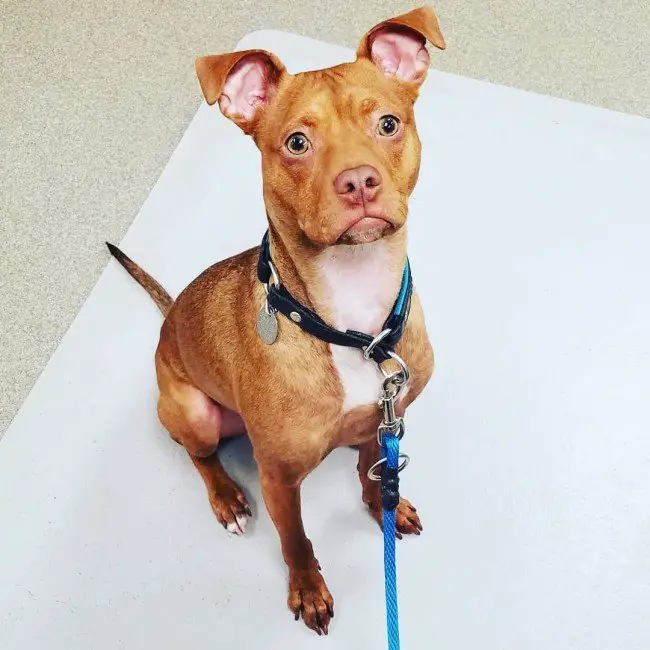
The Pitbull Chihuahua mix, often called a Chipit or Pithuahua, is one of the more surprising Pitbull-type crosses because the parent breeds can be so different in size, build, and personality. Some Chipits are compact, alert lap companions with bursts of athletic energy. Others grow into sturdier small-to-medium dogs with a strong chest, bold attitude, and more exercise needs than their size suggests.
If you are comparing this mix with other bully-type crosses, start with our Pitbull mix breeds guide and then use this page to decide whether the Chihuahua influence makes the Chipit a realistic fit for your home.
Quick Answer: What should you know about the Pitbull Chihuahua mix?
A Pitbull Chihuahua mix is a mixed-breed dog with Chihuahua and Pitbull-type ancestry. The result is not standardized, so adult size, confidence, energy level, coat, and temperament can vary widely. Most Chipits need patient training, early socialization, daily activity, routine dental care, and owners who can manage both small-dog sensitivity and Pitbull-type strength or persistence.
This mix can be affectionate and entertaining in the right home, but it is not a guaranteed “mini Pitbull” or an effortless apartment dog. A Chipit may fit adults, couples, or families with respectful older children, especially when the dog is matched by individual temperament rather than chosen only by breed label.
Quick Facts About the Chipit
| Trait | Typical expectation |
|---|---|
| Other names | Chipit, Pithuahua, Chihuahua Pitbull mix, Pitbull Chihuahua mix |
| Size | Usually small to medium; adult size varies widely by parents |
| Build | Compact to sturdy; may be lean, muscular, or more toy-like |
| Coat | Usually short; can vary if the Chihuahua parent has a longer coat |
| Energy level | Moderate to high; active for its size |
| Temperament | Often alert, affectionate, confident, lively, and people-focused |
| Training needs | Positive training, confidence-building, leash manners, impulse control |
| Family fit | Best with owners who supervise children and respect small-dog limits |
| Grooming | Brushing, nail trims, dental care, ear checks, seasonal shedding control |
| Health approach | Vet checkups, dental prevention, weight control, kneecap/airway awareness |
What Is a Pitbull Chihuahua Mix?
A Pitbull Chihuahua mix is a cross between a Chihuahua and a Pitbull-type dog. “Pitbull” is an umbrella term, so the larger parent may be an American Pit Bull Terrier, American Staffordshire Terrier, Staffordshire Bull Terrier, American Bully, or another bully-type dog. That matters because each parent line can influence size, structure, drive, and behavior differently.
Because the mix is not a recognized standardized breed, two Chipits can look and act very different. One puppy may inherit more Chihuahua size and alertness, while another may inherit more bully-type muscle and stamina. Parent labels can help you understand possibilities, but the individual dog’s health, socialization, training, and daily environment are more important than a cute designer name.
Appearance and Size
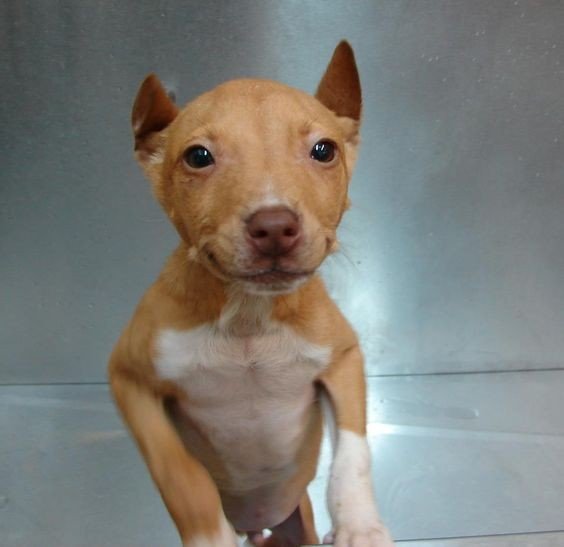
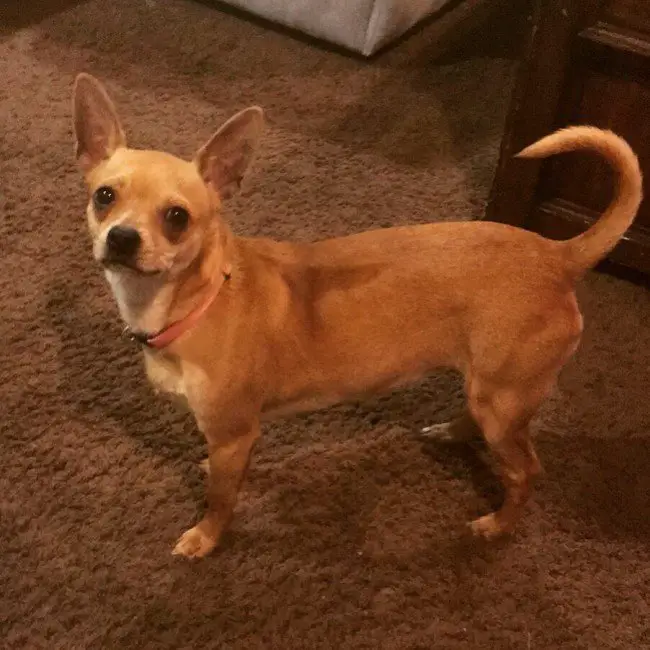
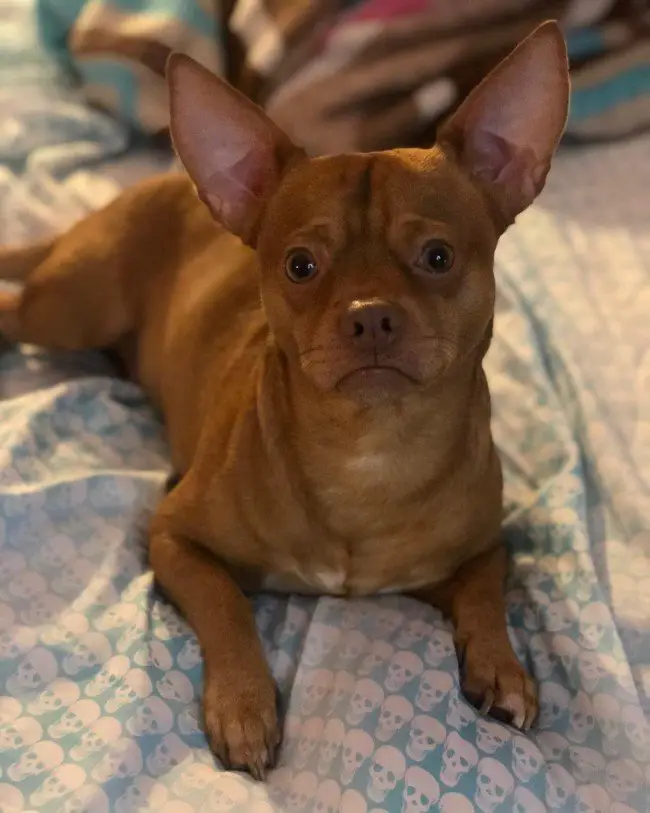
Pitbull Chihuahua mixes often fall somewhere between the two parents, but the range is broad. Many are small-to-medium dogs with short coats, defined muscles, upright or semi-upright ears, expressive eyes, and a confident stance. Some look like a larger Chihuahua with a wider chest. Others look like a compact bully-type dog with finer features.
Adult size is hard to predict from the name alone. A Chipit from a very small Chihuahua and a medium Pitbull-type parent may mature much smaller than one from larger parent lines. If size matters for housing, travel, lifting, or children, ask about both parents’ weights and look at the actual dog’s body condition and growth pattern.
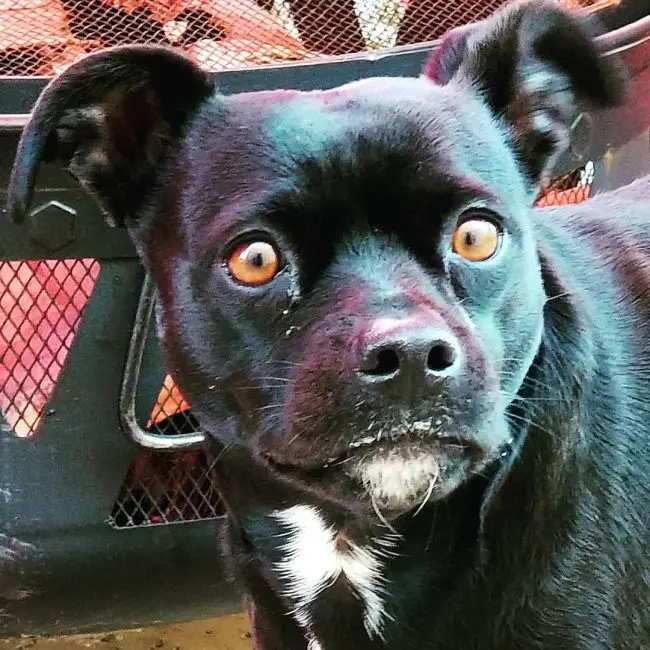
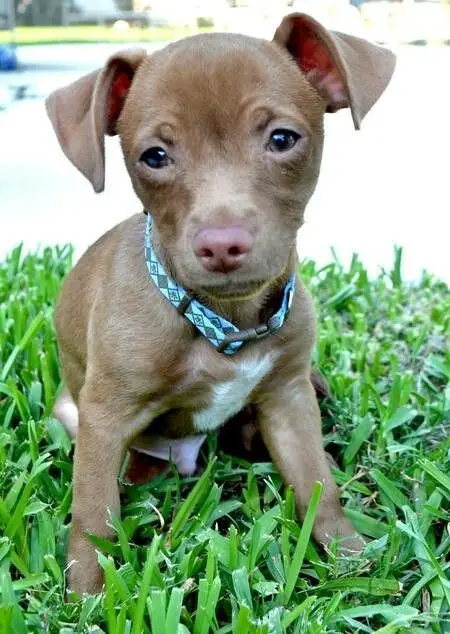
Common coat colors can include tan, black, brown, chocolate, white, brindle, fawn, cream, or mixed markings. Coat color does not predict temperament or health. Long-coated Chihuahua influence is possible, but many Chipits have short coats that are easy to brush.
Chipit Photos and Appearance Examples
These preserved photos from the original article show how much Pitbull Chihuahua mixes can vary in build, color, ear shape, and adult size. Use them as examples, not as a guarantee of how every Chipit puppy will mature.
Temperament: What Is a Chipit Like?
A well-raised Chipit is often affectionate, alert, lively, and strongly attached to its people. Chihuahua influence may add boldness, vocal alerting, sensitivity, and lap-dog loyalty. Pitbull-type influence may add confidence, athleticism, persistence, and people focus. Together, that can create a fun companion for owners who enjoy training and interaction.
The same traits can become difficult without structure. A bored or under-socialized Chipit may bark excessively, guard resources, pull on leash, chase small animals, or react fearfully to strangers and dogs. Small size should not be used as an excuse to skip manners; a small dog still needs boundaries, handling practice, and calm routines.
Avoid anyone who promises that this mix will be automatically protective, automatically aggressive, or automatically safe with every person and pet. Behavior is shaped by genetics, early experiences, socialization, training, health, pain, fear, and owner management.
Is a Pitbull Chihuahua Mix Good for Families?
A Pitbull Chihuahua mix can be a good family dog when the household respects the dog’s size, personality, and training needs. Many are loving with familiar people and enjoy being included in daily life. However, this mix may not be ideal for homes where small children grab, chase, or pick up dogs roughly.
Family success usually depends on a few rules:
- Supervise all child-dog interactions.
- Teach children not to lift, squeeze, tease, or bother the dog while eating or sleeping.
- Give the dog a quiet rest area away from noise and rough play.
- Train polite greetings instead of jumping, barking, or nipping.
- Watch body language and stop interactions before the dog feels trapped.
If you want a small-to-medium Pitbull mix comparison, also read our Pitbull Beagle Mix guide because Beagle influence can create a different scent-driven, family-companion profile.
Training and Socialization
Start training a Chipit early and keep sessions short, upbeat, and consistent. This mix can be clever and responsive, but it may also be stubborn, sensitive, or easily overstimulated. Reward-based training helps the dog understand what to do without creating fear or defensive behavior.
Socialization should be controlled and positive. Introduce the dog to different people, surfaces, sounds, handling, car rides, and calm dog-friendly settings at a pace the dog can handle. Do not flood a nervous Chipit with dog parks, crowded patios, or strangers reaching over its head. Confidence grows through safe exposure, not forced contact.
Prioritize these skills:
- Name response and recall.
- Loose-leash walking with a secure best harness for Pitbulls when the dog has a strong chest or pulls.
- Calm greetings without jumping, barking, or nipping.
- “Leave it” and “drop it” for safety.
- Crate or mat relaxation.
- Cooperative handling for teeth, nails, ears, and vet visits.
Exercise Needs
A Pitbull Chihuahua mix usually needs daily activity, but exercise should match the dog’s size, build, age, and health. Many adults enjoy brisk walks, play sessions, tug with rules, training games, sniffing time, and puzzle feeders. Because this mix can be active for its size, a few quick potty breaks may not be enough.
At the same time, avoid treating a small Chipit like a large athletic working dog. Puppies, tiny adults, overweight dogs, and dogs with kneecap, airway, heart, or joint concerns need gentler routines. Hot weather also matters, especially for dogs with shorter muzzles or heavy bodies.
If you want a much higher-energy comparison, the Pitbull Lab Mix guide is useful because that mix often suits owners looking for a larger, more athletic companion.
Grooming and Shedding
Most Chipits are fairly easy to groom. Short-coated dogs often need weekly brushing to remove loose hair and keep the coat clean. Dogs with longer Chihuahua-type coats may need more frequent brushing around the ears, tail, chest, and legs.
Routine care should include:
- Nail trims before nails become long or painful.
- Tooth brushing or veterinarian-approved dental care.
- Ear checks for irritation, wax, or odor.
- Skin checks for itchiness, redness, bumps, or hot spots.
- Bathing as needed, not so often that the skin dries out.
Dental care deserves special attention because small dogs can be prone to crowded teeth and dental disease. Start tooth handling early so the dog accepts brushing and vet dental checks.
Feeding and Weight Management
Feed a Pitbull Chihuahua mix a complete and balanced dog food appropriate for its life stage, size, body condition, and activity level. Because Chipits can vary from small to medium, portion sizes should be based on the individual dog instead of a generic internet estimate.
Measured meals usually work better than free-feeding. Extra weight can strain joints, worsen breathing or mobility issues, and make small-dog orthopedic problems harder to manage. Treats used for training should be counted as part of daily calories.
Some Chipits do better with small kibble size or wet-food combinations if they have dental issues, missing teeth, or trouble chewing. Ask your veterinarian before switching to raw, homemade, grain-free, supplement-heavy, or weight-loss diets. For broader bully-type nutrition context, see our guide to the best dog food for Pitbulls.
Health Risks to Discuss With Your Veterinarian
A mixed-breed dog can inherit health risks from either parent side. A Chipit is not guaranteed to develop these problems, but responsible owners should know what to watch for and keep up with preventive care.
Possible concerns to discuss with your veterinarian include:
- Dental disease and crowded teeth.
- Patellar luxation or kneecap instability.
- Coughing, breathing difficulty, or possible tracheal/airway concerns in small dogs.
- Skin allergies, itchiness, or ear infections.
- Hip, knee, or other joint problems.
- Obesity and weight-related mobility strain.
- Heart murmurs or other age-related issues.
- Eye problems or injury risk in very small dogs.
Ask rescues or breeders for veterinary records, parent sizes, known health history, and any screening information. If your dog limps, coughs, struggles to breathe, has dental pain, suddenly changes behavior, or gains/loses weight unexpectedly, schedule a veterinary visit instead of assuming it is just a breed trait.
Pros and Cons of the Pitbull Chihuahua Mix
Pros
- Often affectionate, alert, and people-oriented.
- Compact size may fit smaller homes better than large Pitbull mixes.
- Short coat is usually manageable.
- Can be playful and entertaining.
- May be highly trainable with clear routines and rewards.
Cons
- Adult size and temperament can be unpredictable.
- May bark, guard, or react if under-socialized or fearful.
- Needs dental care and small-dog health awareness.
- Not always ideal for rough play with young children.
- May still face housing or insurance restrictions because of Pitbull-type ancestry.
Is This Mix Right for You?
A Chipit may be right for you if you want a compact, affectionate dog and you are ready to provide training, socialization, daily activity, dental care, and realistic management. This mix often suits owners who like lively companion dogs and do not mind working on manners, confidence, and leash skills.
Think carefully before choosing this mix if you want a very predictable adult size, a silent apartment dog, a dog for unsupervised young children, or a pet that can skip training because it is small. The best match is the individual dog whose behavior, health, and energy level fit your household.
Adoption can be a smart option because an adult Chipit’s size and temperament are easier to evaluate. If buying from a breeder, ask about parent health, temperament, socialization, contracts, return policies, and why the litter was produced.
Similar Pitbull Mixes to Compare
If the Chipit sounds close but not perfect, compare it with these related ABD guides:
- Pitbull Dachshund Mix guide — another compact Pitbull mix comparison with a very different body-shape influence.
- Pitbull Pug Mix guide — useful if you are researching smaller companion-style Pitbull mixes.
- Pitbull Beagle Mix guide — compare for families considering small-to-medium active mixes.
- Pitbull Lab Mix guide — compare if you may prefer a larger, athletic family companion.
FAQs About the Pitbull Chihuahua Mix
What is a Pitbull Chihuahua mix called?
A Pitbull Chihuahua mix is commonly called a Chipit, Pithuahua, Chihuahua Pitbull mix, or Pitbull Chihuahua mix. These names are informal mixed-breed labels, not a standardized purebred breed name.
The label can help describe the parent mix, but it should not be treated as a guarantee. A dog called a Chipit may have different Pitbull-type ancestry, different Chihuahua lines, or several generations of mixed breeding behind it. Always evaluate the individual dog’s size, behavior, and health history.
How big does a Pitbull Chihuahua mix get?
A Pitbull Chihuahua mix is usually small to medium, but exact adult size varies widely. The Chihuahua parent is tiny, while Pitbull-type dogs are much larger and more muscular, so puppies from different parent lines can mature very differently.
If predictable size matters, ask for parent weights, look at growth records, and consider adopting an adult. Adult dogs are easier to judge for real-world needs such as apartment rules, travel, handling, and whether every family member can safely manage the dog on leash.
Is a Chipit a good family dog?
A Chipit can be a good family dog in the right household. Many are affectionate and loyal with familiar people, and their compact size can make them easier to include in daily life than larger bully-type mixes. The key is matching the individual dog to the family’s activity level and handling style.
Homes with young children need extra supervision because small dogs can be injured by rough handling, and frightened dogs may nip if they feel trapped. Teach children to give the dog space, avoid picking it up without help, and leave it alone while eating, sleeping, or resting.
Are Pitbull Chihuahua mixes aggressive?
No mixed-breed dog should be labeled automatically aggressive or automatically safe. A Pitbull Chihuahua mix’s behavior depends on genetics, early handling, socialization, training, health, pain, fear, and the home environment. A confident, well-socialized Chipit may be friendly and stable, while a fearful or poorly managed dog may develop reactivity.
Responsible owners should focus on prevention: positive training, calm exposure, safe introductions, secure containment, and veterinary care if behavior changes suddenly. If your dog shows fear, snapping, intense barking, or leash reactivity, work with a qualified reward-based trainer or veterinary behavior professional.
Can a Pitbull Chihuahua mix live in an apartment?
Yes, a Pitbull Chihuahua mix can live in an apartment if its exercise, training, noise, and management needs are met. Size alone does not make a dog apartment-friendly. Barking, separation stress, leash reactivity, and boredom can create problems even in small dogs.
Before bringing one home, check lease rules, insurance restrictions, local breed regulations, and safe walking areas. Build a routine that includes walks, enrichment, quiet rest, and training so the dog is not relying on barking or chewing for stimulation.
How much exercise does a Pithuahua need?
Most Pithuahuas need daily exercise plus mental enrichment. A healthy adult may enjoy walks, short play sessions, training games, sniffing, puzzle toys, and calm tug or fetch. The goal is a satisfied dog, not an exhausted or overworked one.
Adjust activity for the dog’s size, age, weather, and health. Tiny adults, puppies, seniors, overweight dogs, and dogs with kneecap or breathing concerns may need shorter, lower-impact routines. Ask your veterinarian for guidance if your dog limps, coughs, overheats quickly, or seems painful after exercise.
Are Chipits easy to train?
Many Chipits are smart and responsive, but they can also be bold, sensitive, vocal, or stubborn. Training is easiest when rules are clear and rewards are meaningful. Short sessions usually work better than long, repetitive drills.
Focus on life skills first: recall, leash manners, calm greetings, “leave it,” “drop it,” settling on a mat, and cooperative handling. Because dental, nail, and vet care matter for this mix, handling practice should be part of training from the beginning.
What health problems can a Chihuahua Pitbull mix have?
A Chihuahua Pitbull mix can inherit health risks from either parent side. Owners should discuss dental disease, patellar luxation, skin allergies, ear problems, joint issues, obesity, heart concerns, and small-dog airway signs with a veterinarian.
This does not mean every Chipit will be unhealthy. It means you should choose rescues or breeders carefully, request veterinary records when possible, keep the dog lean, maintain dental care, and schedule checkups instead of waiting until symptoms become severe.
What should a Pitbull Chihuahua mix eat?
Most Pitbull Chihuahua mixes should eat a complete and balanced diet matched to their life stage, body condition, chewing ability, and activity level. Because this mix can vary in size, meal amounts should be measured and adjusted to the individual dog rather than copied from another Chipit.
If your dog has dental disease, digestive issues, allergies, pancreatitis history, obesity, or unexplained weight changes, ask your veterinarian before changing diets. Treats can add up quickly in small dogs, so use tiny rewards during training and track calories.
Where can I find a Chipit?
Start with local shelters, Pitbull rescues, Chihuahua rescues, and mixed-breed rescue groups. Adoption can be especially helpful because adult size, temperament, and energy level are often easier to evaluate in an older dog than in a young puppy.
If you buy from a breeder, ask why the cross was bred, meet the mother when possible, request veterinary records, ask about parent temperament, and avoid sellers who cannot answer health or socialization questions. A responsible source should care where the puppy goes and should accept the dog back if the placement fails.