
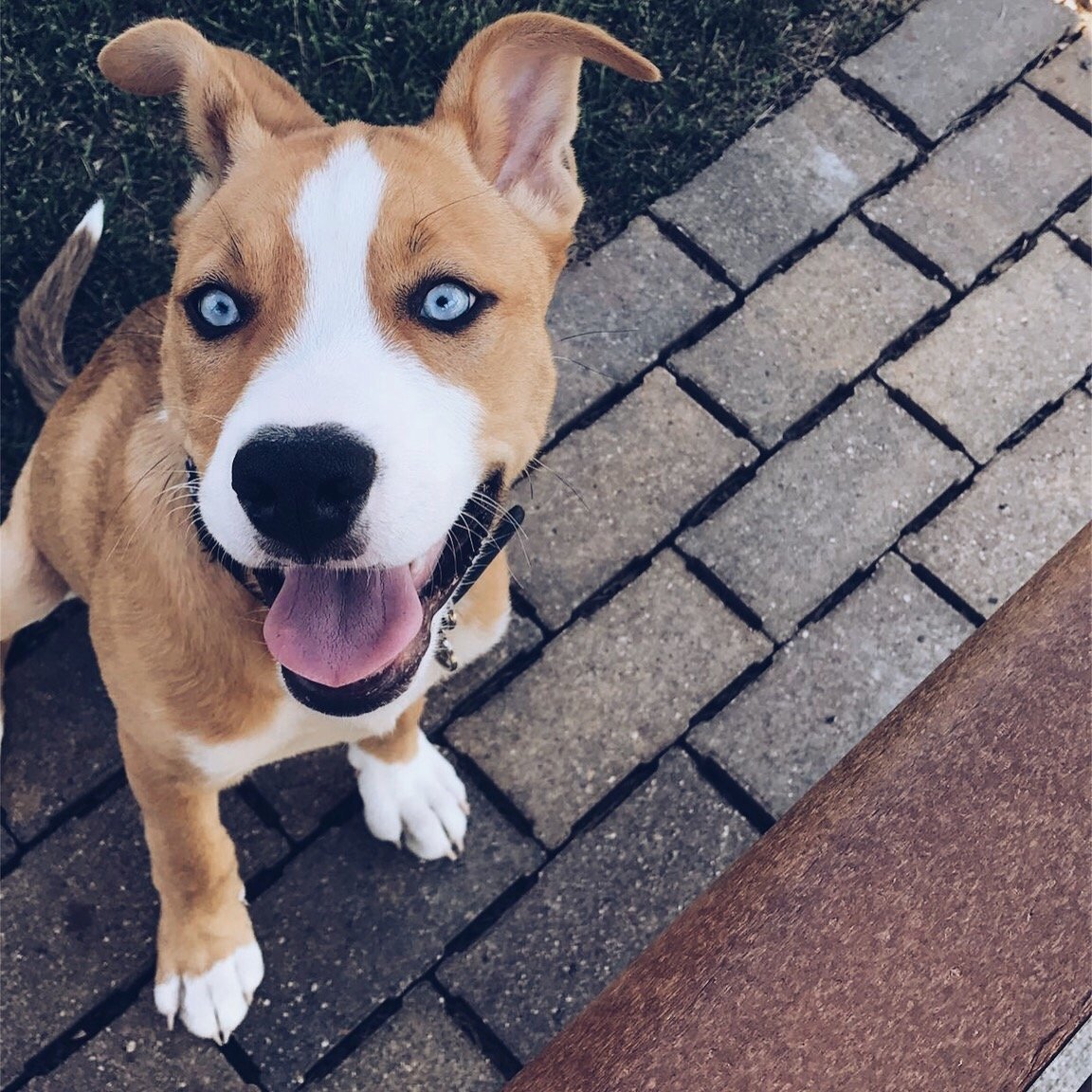
The Pitsky, also called a Pitbull Husky Mix or Husky Pitbull Mix, is usually a powerful, energetic, attention-grabbing dog with a big need for exercise and structure. This mix can be affectionate, athletic, and loyal in the right home, but it is not a low-maintenance choice. A Pitsky may inherit the strength and people-focus often associated with Pitbull-type dogs plus the stamina, shedding, vocal habits, and independence often associated with Siberian Huskies.
If you are comparing popular Pitbull mixes, use this guide to decide whether the Husky influence fits your lifestyle. The right owner for a Pitsky usually has time for daily activity, secure containment, training, grooming, and consistent routines.
Quick Answer: What should you know about the Pitsky?
A Pitsky is a mixed-breed dog with Pitbull-type and Siberian Husky ancestry. Because both parent backgrounds can produce strong, athletic dogs, many Pitskies need more exercise, mental work, and management than casual owners expect. They may be loving family companions, but they can also be intense, vocal, prey-driven, stubborn, or escape-minded if their needs are not met.
This mix is usually best for active owners who enjoy training and outdoor activity. It is usually not the easiest choice for people who want a quiet couch dog, a low-shedding dog, an off-leash dog with no recall training, or a dog that can spend long days bored in a yard.
Quick Facts About the Pitsky
| Trait | Typical expectation |
|---|---|
| Other names | Pitsky, Pitbull Husky Mix, Husky Pitbull Mix |
| Size | Usually medium to large; adult size varies by parents |
| Build | Athletic, muscular, and often lean or powerful |
| Coat | Short to dense double coat; shedding can be moderate to heavy |
| Energy level | Very high for many adults |
| Temperament | Often affectionate, active, intelligent, and strong-willed |
| Training needs | Early socialization, leash manners, recall, impulse control, secure routines |
| Family fit | Best for active homes that can supervise kids and manage a strong dog |
| Grooming | Brushing several times weekly if Husky coat is inherited; seasonal shedding possible |
| Health approach | Vet checkups, weight control, joint/eye/skin monitoring, parent screening where available |
What Is a Pitsky?
A Pitsky is not a standardized purebred dog. It is a cross involving a Siberian Husky and a Pitbull-type dog, or it may come from generations of similar Husky-bully crosses. “Pitbull” is an umbrella term, so the non-Husky side may include American Pit Bull Terrier, American Staffordshire Terrier, Staffordshire Bull Terrier, American Bully, or a similar bully-type background.
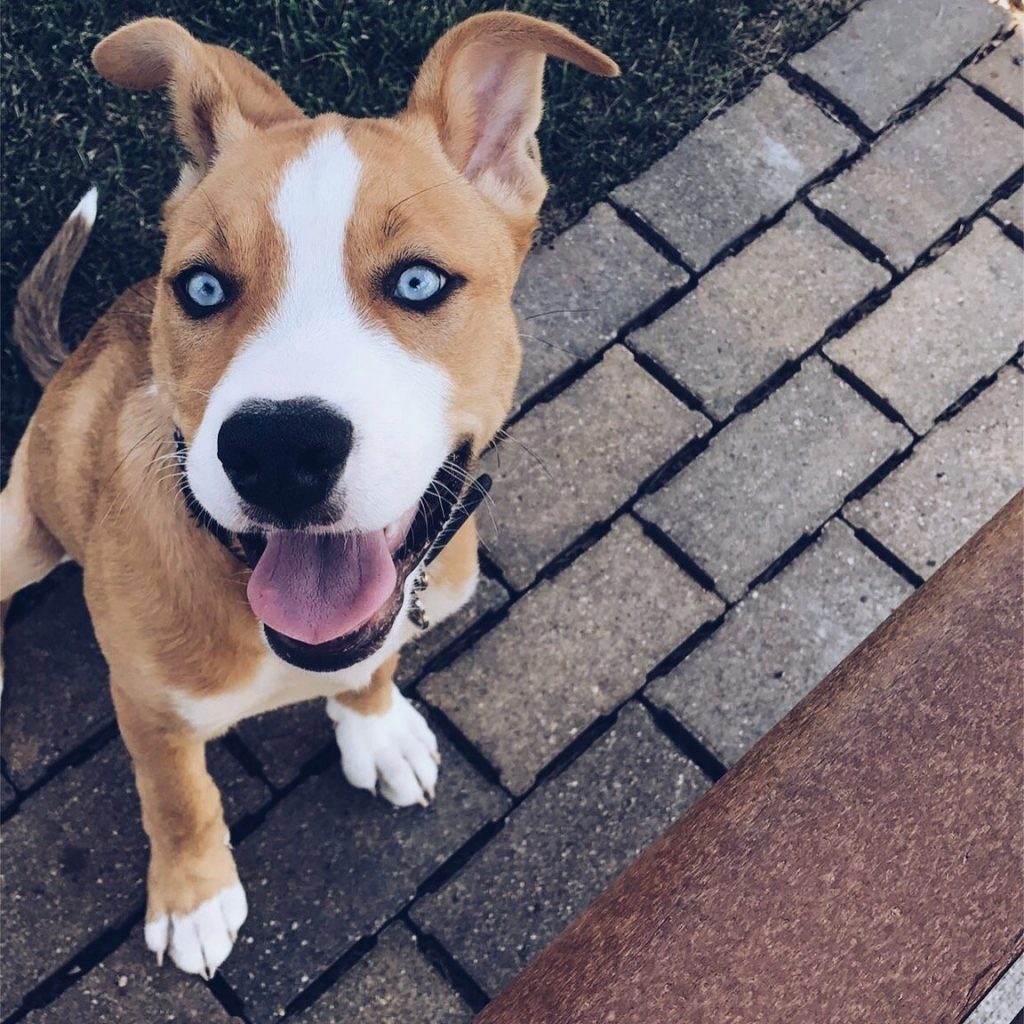
Because of that variation, Pitskies can differ widely. One dog may look more like a Husky with upright ears, a thick coat, and striking eyes. Another may have a shorter coat, broader head, and more obvious bully-type build. Parent labels can help you understand possibilities, but they do not guarantee size, health, coat, or personality.
Appearance and Size
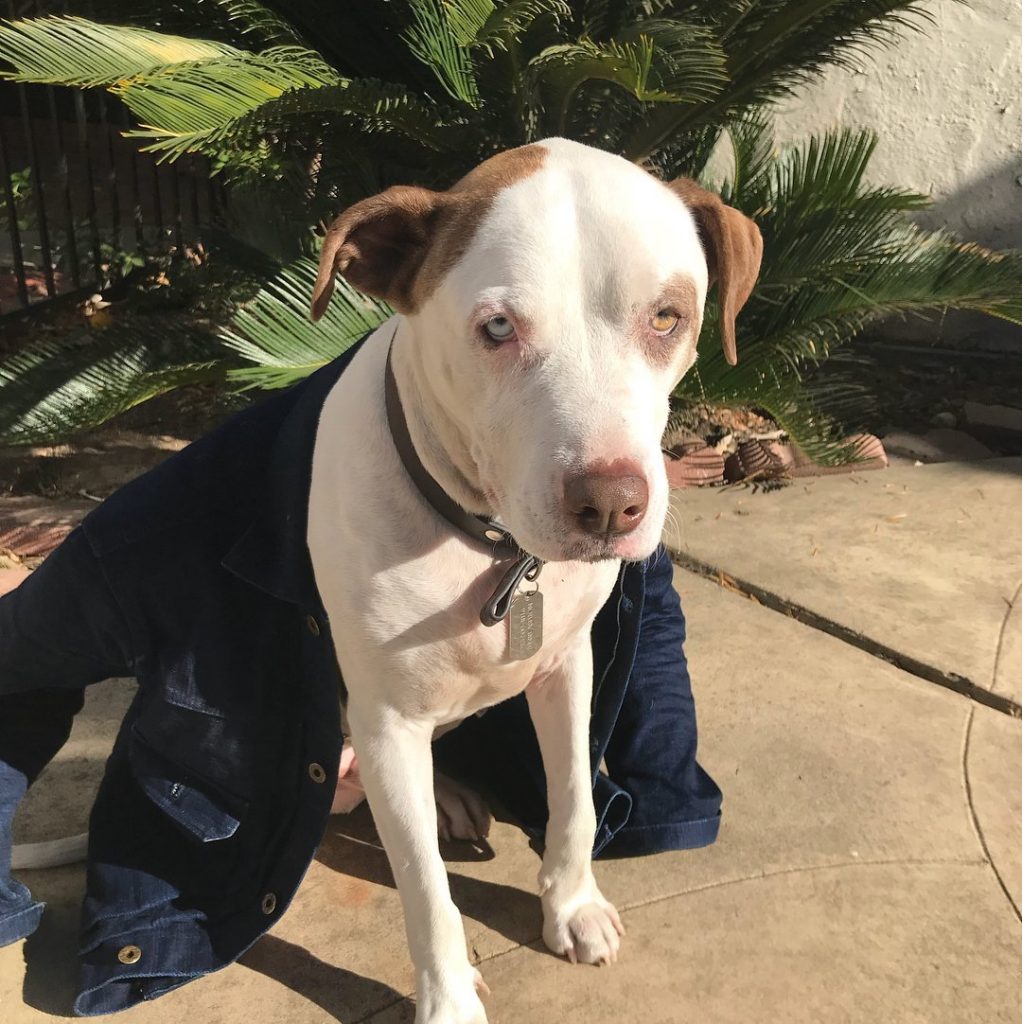
Most Pitskies are medium-to-large, athletic dogs. Many have strong shoulders, a deep chest, alert expression, and a body built for movement. Coat length can range from short and smooth to dense and double-coated. Eye color can vary, and some Pitskies inherit blue eyes or mixed eye colors from the Husky side, but eye color should never be treated as a temperament or health guarantee.
Adult size depends on the actual parent dogs, sex, nutrition, health, and growth pattern. If you are adopting a puppy, ask for parent weights and photos when available. If you are adopting an adult, judge the dog in front of you rather than relying on an internet average.
Possible coat colors include black, white, gray, tan, brown, red, brindle, sable, or mixed markings. Coat color does not predict whether the dog will be good with children, easy to train, or healthy.
Temperament: What Is a Pitsky Like?
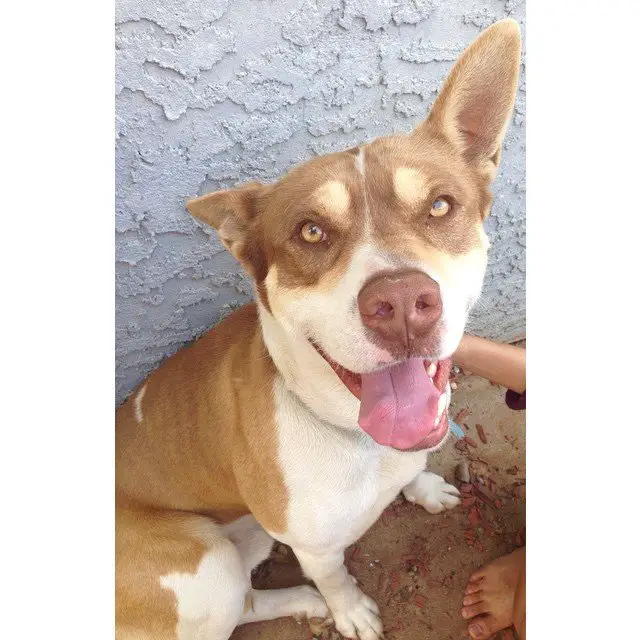
A well-raised Pitsky is often people-oriented, playful, alert, and energetic. The Pitbull-type side may contribute confidence, strength, persistence, and strong attachment to people. The Husky side may contribute stamina, independence, vocal expression, prey drive, and a desire to roam. In combination, the result can be a fun dog for active homes and a difficult dog for homes that do not have time for training.
Temperament is shaped by genetics, early handling, socialization, training, exercise, health, pain, fear, and daily environment. Avoid anyone who promises that a Pitsky will be automatically protective, automatically safe, automatically aggressive, or automatically easy. A strong, bored, under-trained Pitsky can become hard to manage even if it is friendly.
Because this mix can be powerful and impulsive, manners matter. Focus early on calm greetings, leash walking, recall, “leave it,” “drop it,” crate or mat settling, and safe handling for vet care.
Is a Pitsky Good for Families?
A Pitsky can be a good family dog when the household is active, consistent, and realistic. Many Pitskies love attention and enjoy being part of family routines. However, their size, enthusiasm, jumping, mouthiness, or rough play can overwhelm young children or frail adults if training is ignored.
Good family fit usually means:
- Adults can provide daily exercise and training.
- Children are taught not to climb on, tease, startle, or bother the dog while eating or sleeping.
- Play is supervised, especially with young children and visiting kids.
- The dog has a quiet rest area away from household chaos.
- The family can manage shedding, leash strength, and secure containment.
- Housing, landlord, insurance, and local breed rules have been checked.
If you want an active family comparison with a different parent influence, compare the Pitbull Boxer Mix guide or the Pitbull Lab Mix guide.
Training and Socialization
Training should start early and continue through adolescence and adulthood. Pitskies are often intelligent, but intelligence does not always mean easy. Husky influence may add independence and selective listening, while bully-type influence may add strength and persistence. Short, consistent, reward-based sessions are usually more effective than harsh corrections or unclear rules.
Socialization should be positive and controlled. Introduce the dog to different people, surfaces, sounds, vehicles, handling, grooming tools, and environments at a pace it can handle. The goal is confidence and neutrality, not forcing the dog into crowded dog parks or overwhelming situations.
Prioritize these skills:
- Name response and reliable recall practice.
- Loose-leash walking with safe equipment such as a secure best harness for Pitbulls.
- “Leave it” and “drop it” around wildlife, toys, and household hazards.
- Calm greetings without jumping or mouthing.
- Doorway and gate manners to reduce escape risk.
- Crate, pen, or mat settling for downtime.
- Cooperative care for brushing, nails, ears, teeth, and vet visits.
Exercise Needs
Exercise is one of the biggest ownership issues with a Pitbull Husky Mix. Many adult Pitskies need substantial daily physical activity plus mental enrichment. A short potty walk is usually not enough for a young, healthy adult. Without enough structure, a bored Pitsky may dig, chew, bark, howl, jump fences, pull hard on leash, or invent games you do not like.
Useful activities may include brisk walks, hikes, structured tug, fetch where safe, training games, sniff walks, puzzle feeders, flirt-pole work with rules, and supervised yard play. Match exercise to the dog’s age, conditioning, weather, and health. Puppies should not be pushed through forced running, and senior or overweight dogs may need a veterinarian-guided plan.
Secure containment is important. Husky-influenced dogs may be skilled climbers, diggers, or door dashers. A fenced yard is helpful, but it is not a substitute for training or supervision.
Grooming and Shedding
Grooming needs depend heavily on the coat a Pitsky inherits. A shorter bully-type coat may need weekly brushing. A Husky-style double coat may need brushing several times per week and more attention during seasonal shedding. Pitskies are not a safe choice for owners who need a reliably low-shedding or hypoallergenic dog.
Routine care should include:
- Brushing to remove loose coat and reduce matting if the coat is dense.
- Nail trims before nails become long and painful.
- Tooth brushing or vet-approved dental care.
- Ear checks after swimming, allergies, or heavy outdoor activity.
- Skin checks for hot spots, irritation, ticks, or scratches.
- Bathing as needed without over-drying the skin.
If your Pitsky has a thick coat, be careful with summer heat. Do not shave a double coat without veterinary or professional grooming guidance, because the coat helps with insulation and sun protection.
Feeding and Weight Management
Feed a Pitsky a complete and balanced diet appropriate for its life stage, size, body condition, and activity level. Active dogs need enough calories to maintain muscle and energy, but overfeeding can still cause obesity. Extra weight can worsen joint strain, heat intolerance, breathing effort, and overall health.
Measured meals often work better than free-feeding. Treats used for training should count toward daily calories. If your dog has allergies, digestive issues, heart concerns, pancreatitis history, unexplained weight changes, or special medical needs, ask your veterinarian before changing diets or adding supplements.
For more nutrition context for bully-type dogs, see our guide to the best dog food for Pitbulls. Be especially careful with boutique, exotic-ingredient, or grain-free diets unless your veterinarian recommends that approach for a specific reason.
Health Risks From Pitbull-Type and Husky Ancestry
A mixed-breed dog can inherit health risks from either parent line. A Pitsky is not guaranteed to develop these conditions, but responsible owners should know what to discuss with a veterinarian and what records to ask for when adopting or buying.
Possible concerns include:
- Hip or elbow problems, especially in athletic medium-to-large dogs.
- Eye concerns associated with Husky lines, such as hereditary eye disease screening topics.
- Skin allergies, itchiness, or hot spots.
- Thyroid or weight-management issues.
- Dental disease.
- Obesity and joint strain.
- Heat stress during intense activity or hot weather.
- Injuries from overexertion, rough play, or escape attempts.
Ask rescues or breeders for available veterinary records, parent health history, and screening information. Routine exams, vaccinations, parasite prevention, dental care, healthy weight management, and early attention to lameness or behavior changes matter more than guessing based on looks alone.
Pros and Cons of the Pitsky
Pros
- Often affectionate and people-focused with family.
- Athletic enough for hiking, training games, and active homes.
- Intelligent and capable when training is consistent.
- Striking appearance and varied coat/eye patterns.
- Can be fun, playful, and engaging for owners who like high-energy dogs.
Cons
- Exercise needs can be too much for inactive homes.
- Shedding may be heavy if the Husky coat is inherited.
- May be vocal, independent, prey-driven, or escape-minded.
- Strength and enthusiasm require leash manners and impulse control.
- May face housing, insurance, or local breed-rule restrictions.
- Not ideal for owners who want a low-maintenance or reliably off-leash dog.
Right-Owner Checklist
A Pitsky may be right for you if:
- You can provide serious daily exercise and mental enrichment.
- You enjoy training and can be consistent without being harsh.
- Your yard, doors, gates, and routines are secure.
- You can handle shedding and grooming.
- You are comfortable managing a strong dog on leash.
- You can supervise children and other pets responsibly.
- You have checked housing, insurance, and local rules.
- You can afford routine veterinary care, quality food, grooming tools, and training help if needed.
Think carefully before choosing this mix if you work very long hours, dislike shedding, have no secure exercise plan, want a quiet low-energy dog, or need a dog that can be trusted off leash without extensive training. Adoption can be a good route because many rescues can describe an adult dog’s real energy level, prey drive, and behavior more accurately than a puppy listing can.
Similar Pitbull Mixes to Compare
If the Pitsky sounds interesting but intense, compare it with these related ABD guides:
- the main mix-breed comparison hub — the parent hub for comparing Pitbull-type mixed breeds.
- the Boxer-influenced comparison — another active, muscular mix that may be less Husky-like in coat and vocal behavior.
- the Labrador-influenced comparison — useful if you want an active family comparison with retriever influence.
- Pitweiler guide — compare if you are researching stronger guardian-style mixes.
- Blue Heeler Pitbull Mix guide — useful for comparing high-drive working-dog energy.
- Australian Shepherd Pitbull Mix guide — another energetic mix where herding-dog traits may affect training and exercise needs.
FAQs About the Pitsky
Is a Pitsky a good family dog?
A Pitsky can be a good family dog in the right home. Many are affectionate, playful, and attached to their people. The challenge is that they are often strong, energetic, and sometimes intense, so the family must be prepared for daily training and exercise.
Families should supervise interactions with children, teach respectful dog handling, and prevent rough play from becoming overwhelming. A tired, well-managed Pitsky is much easier to live with than one that is bored, under-exercised, and allowed to practice jumping or mouthing.
How big does a Pitsky get?
Most Pitskies are medium-to-large dogs, but exact adult size varies because the mix is not standardized. Parent size, sex, nutrition, health, and growth rate all matter. A Pitsky from larger parent lines may mature much bigger than one from smaller parent lines.
If you are adopting a puppy, ask about the parents when possible. If you are adopting an adult, rely on the dog’s actual body condition and weight instead of breed-label estimates. Your veterinarian can help determine whether the dog is at a healthy weight.
Are Pitskies aggressive?
A Pitsky should not be labeled automatically aggressive or automatically safe. Behavior depends on genetics, early experiences, socialization, training, health, pain, fear, exercise, and management. Any strong dog can become difficult if it is under-socialized, poorly managed, or handled harshly.
Responsible owners should focus on prevention: positive training, controlled introductions, supervision around children and pets, secure containment, and veterinary care if behavior suddenly changes. Avoid sellers or trainers who make fear-based promises or stereotypes.
Do Pitskies shed a lot?
Some Pitskies shed heavily, especially if they inherit a Husky-style double coat. Others have a shorter coat and shed less, but they are still not truly non-shedding. Seasonal coat blow can create a lot of loose hair.
Plan on regular brushing, a good vacuum routine, and extra grooming during shedding seasons. If allergies or low-shedding needs are a major concern, meet the individual dog and talk with a veterinarian or allergist before committing.
How much exercise does a Pitbull Husky Mix need?
Most healthy adult Pitskies need daily exercise plus mental enrichment. Walks, hikes, training games, sniffing, tug with rules, puzzle feeders, and supervised play can all help. The exact amount depends on the dog’s age, conditioning, health, and temperament.
Do not overwork puppies or dogs with health issues. In hot weather, reduce intensity and provide water and shade. If your dog is destructive, restless, or constantly escaping, the issue may be a mix of unmet exercise needs, training gaps, and management problems.
Can a Pitsky live in an apartment?
A Pitsky can live in an apartment only if the owner is very committed to exercise, training, noise management, and routines outside the apartment. Square footage matters less than whether the dog’s energy and mental needs are met every day.
Before choosing this mix for shared housing, check lease rules, insurance restrictions, local breed laws, elevator or hallway logistics, barking/howling risk, and nearby exercise options. A bored vocal Pitsky can create problems quickly in close quarters.
Are Pitskies easy to train?
Pitskies can be very trainable, but they are not always easy. Many are smart and motivated, yet Husky influence can add independence and Pitbull-type influence can add strength and persistence. Inconsistent rules often lead to pulling, jumping, door dashing, or selective listening.
Use rewards, clear boundaries, short sessions, and daily practice. Prioritize leash manners, recall, impulse control, calm greetings, and cooperative care. If reactivity, fear, or severe pulling appears, work with a qualified positive-reinforcement trainer early.
Can Pitskies live with other pets?
Some Pitskies live peacefully with other dogs or cats, but it depends on the individual dog, prey drive, socialization, introductions, and management. Husky ancestry can come with a strong chase instinct, and any strong dog needs careful supervision around smaller animals.
Use slow introductions, barriers when needed, separate feeding areas, and supervision until you know the dog well. Do not assume a Pitsky will be safe with cats, rabbits, chickens, or small dogs just because it is friendly with people.
What health problems can Pitskies inherit?
Pitskies may inherit risks from either side, including hip or elbow issues, eye concerns, skin allergies, thyroid or weight problems, dental disease, and injuries related to high activity. These are possibilities, not guarantees.
Ask for health records and screening information when available. Keep up with routine veterinary care, maintain a healthy body condition, and ask your veterinarian about any lameness, eye changes, chronic itching, unexplained weight change, or sudden behavior change.
What should a Pitsky eat?
A Pitsky should eat a complete and balanced diet appropriate for its life stage, size, body condition, and activity level. Very active dogs may need more calories than sedentary dogs, but overfeeding can still cause obesity and joint strain.
Use measured meals, monitor body condition, and count training treats as calories. If your dog has medical issues, allergies, digestive problems, or you are considering a grain-free or boutique diet, ask your veterinarian before making major changes.
Sources Checked
- AKC Siberian Husky breed overview: https://www.akc.org/dog-breeds/siberian-husky/
- AKC American Staffordshire Terrier breed overview: https://www.akc.org/dog-breeds/american-staffordshire-terrier/
- AVMA responsible pet ownership: https://www.avma.org/resources-tools/pet-owners/petcare/responsible-pet-ownership
- ASPCA dog care: https://www.aspca.org/pet-care/dog-care
- VCA Hospitals: obesity in dogs: https://vcahospitals.com/know-your-pet/obesity-in-dogs
- FDA questions and answers on non-hereditary DCM in dogs: https://www.fda.gov/animal-veterinary/animal-health-literacy/questions-answers-fdas-work-potential-causes-non-hereditary-dcm-dogs
- OFA CHIC program overview: https://ofa.org/chic-programs/