
The Pitbull Dachshund mix, often called a Dox Bull or Doxie Pit, is a rare mixed-breed dog that combines Dachshund influence with Pitbull-type ancestry. That can produce a compact, muscular companion with a bold personality, a low body, strong attachment to people, and more training and exercise needs than its size may suggest.
If you are comparing compact bully-type crosses, start with our Pitbull mix breeds guide and then use this article to decide whether the Dachshund body shape and Pitbull-type energy make sense for your home.
Quick Answer: What should you know about the Pitbull Dachshund mix?
A Pitbull Dachshund mix is a non-standardized cross between a Dachshund and a Pitbull-type dog. Some Dox Bulls look like sturdy, low-slung dogs with a broad chest and short legs. Others are taller, leaner, or more balanced between the parents. Temperament can also vary, but many are affectionate, alert, playful, stubborn, and very people-focused.
This mix can be a fun companion for owners who are ready for daily training, controlled exercise, socialization, weight management, and back-aware handling. It is not a good choice for someone who wants a perfectly predictable adult size, a dog that can jump on and off furniture all day, or a pet that can skip structure because it is smaller than many Pitbull mixes.
Quick Facts About the Dox Bull
| Trait | Typical expectation |
|---|---|
| Other names | Dox Bull, Doxie Pit, Dachshund Pitbull mix, Pitbull Dachshund mix |
| Size | Usually small to medium; adult size varies by parent lines |
| Build | Often compact, low, sturdy, muscular, or longer-bodied |
| Coat | Usually short to medium; Dachshund coat type can influence texture |
| Energy level | Moderate to high; active but should avoid excessive impact |
| Temperament | Often affectionate, bold, alert, playful, loyal, and stubborn |
| Training needs | Positive training, leash manners, impulse control, socialization |
| Family fit | Best with supervised children and owners who protect the dog’s back/body |
| Grooming | Brushing, nail trims, ear checks, dental care, skin checks |
| Health approach | Vet care, weight control, back/IVDD awareness, joint and skin monitoring |
What Is a Pitbull Dachshund Mix?
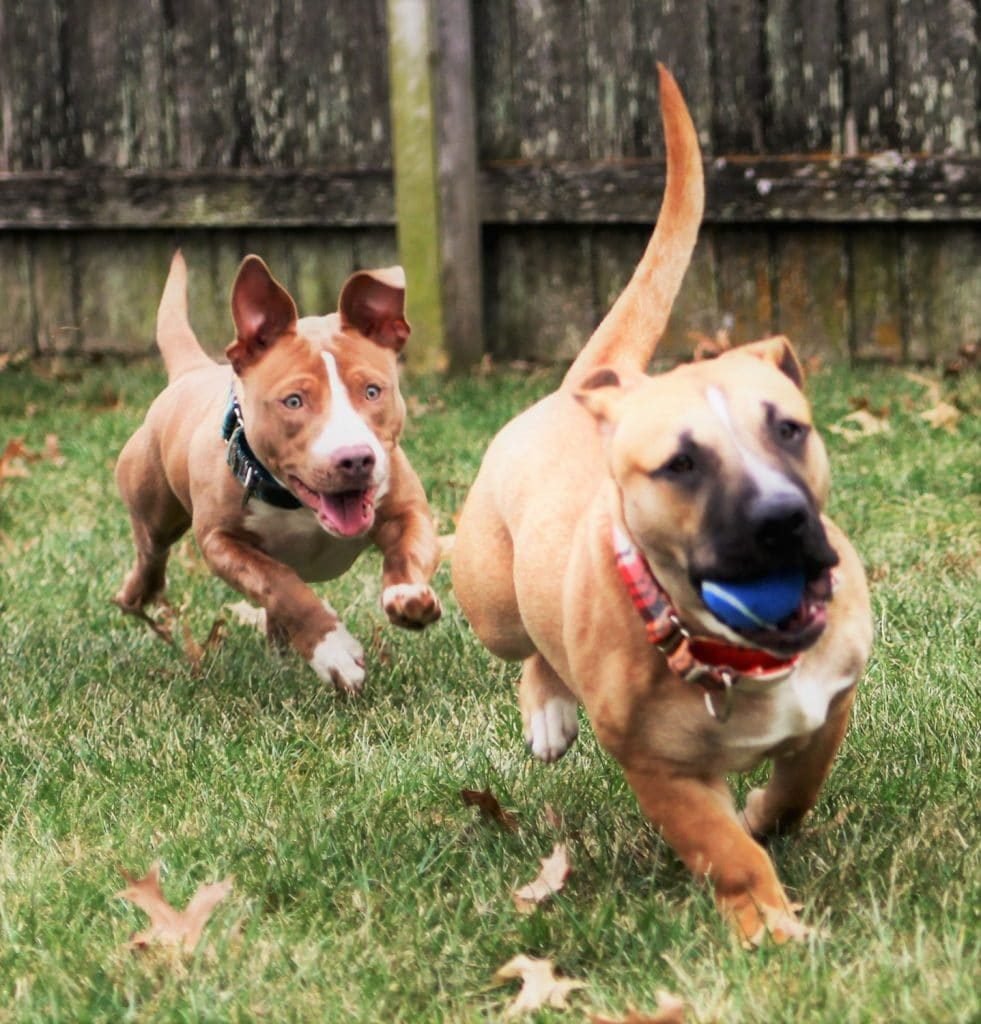
A Pitbull Dachshund mix is a mixed-breed dog with Dachshund and Pitbull-type ancestry. The Dachshund side may contribute a long body, shorter legs, boldness, scent interest, and a determined attitude. The Pitbull-type side may contribute muscle, athleticism, people focus, confidence, and a stronger build.
“Pitbull” is not one single breed in everyday use. It may refer to the American Pit Bull Terrier, American Staffordshire Terrier, Staffordshire Bull Terrier, American Bully, or a bully-type mix. That means two dogs labeled Dox Bulls can have very different size, structure, drive, and behavior.
Because the cross is not standardized, the individual dog matters more than the name. Parent size, body shape, early handling, socialization, health, and daily management will influence what the dog is actually like in a home.
Appearance and Size
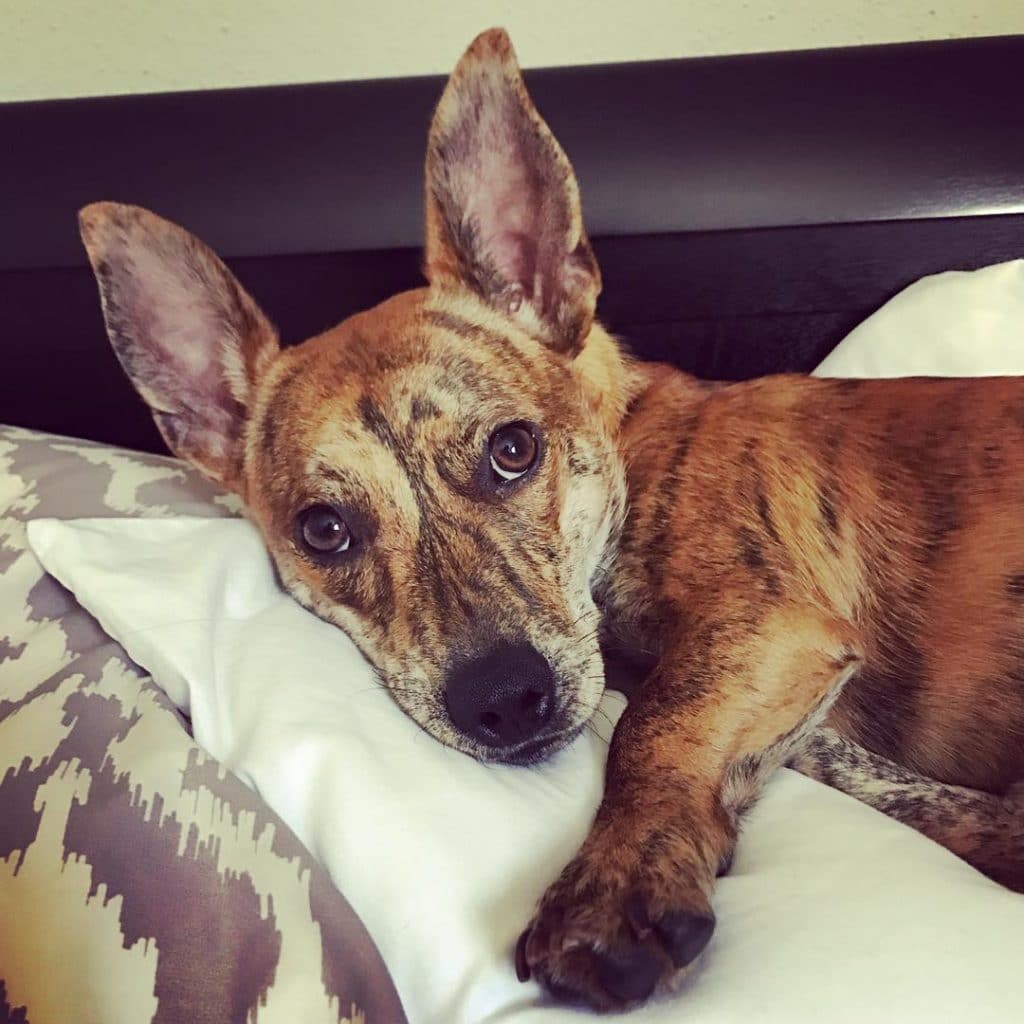
Many Pitbull Dachshund mixes are compact dogs with a sturdy body, broad chest, short-to-medium legs, expressive eyes, and a short coat. Some inherit a clearly longer Dachshund-style back and lower stance. Others look more like a small bully-type dog with only subtle Dachshund influence.
Adult size is difficult to predict from the label alone. Dachshunds are much smaller and lower than most Pitbull-type dogs, so puppies from different parent lines can mature into very different adults. If size matters for housing, travel, children, stairs, or lifting, ask about both parents and consider adopting an adult whose size is already known.
Common coat colors may include black, brown, tan, white, brindle, fawn, chocolate, piebald-style markings, or mixed patterns. Coat color does not predict temperament or health. Body condition, movement, and comfort are more important than markings.
Temperament: What Is a Dox Bull Like?
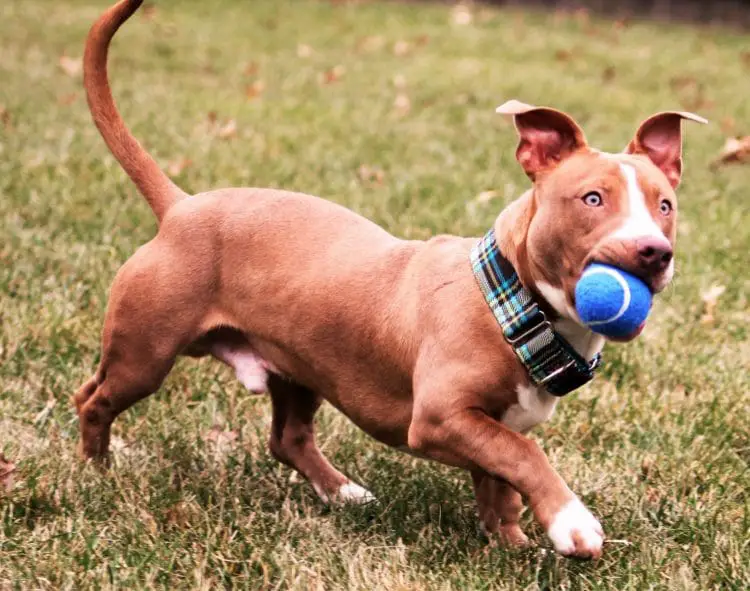
A well-raised Dox Bull is often affectionate, alert, funny, bold, and attached to its people. Dachshund influence may add curiosity, scent-tracking behavior, independence, and a big-dog attitude in a small package. Pitbull-type influence may add enthusiasm, strength, persistence, and a desire to be close to family.
Those same traits can be challenging without structure. A bored or under-socialized Pitbull Dachshund mix may bark, dig, guard toys, pull on leash, chase small animals, or react defensively when frightened. Because pain can also change behavior, sudden grumpiness, snapping, or reluctance to move should be taken seriously.
Avoid anyone who promises this mix will be automatically protective, automatically aggressive, or automatically safe with every child and pet. Behavior is shaped by genetics, socialization, training, health, fear, pain, and owner management.
Is a Pitbull Dachshund Mix Good for Families?
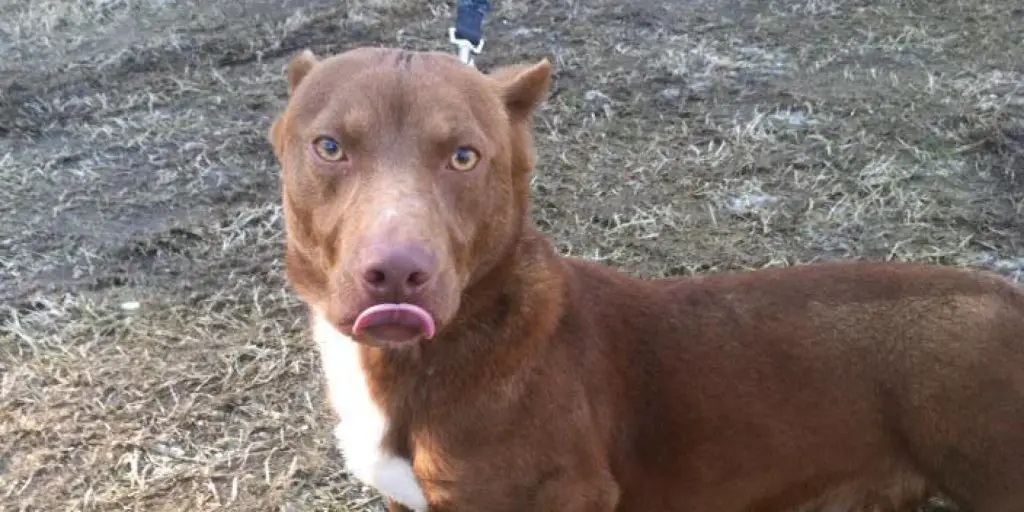
A Pitbull Dachshund mix can be a good family dog when the individual dog is stable, trained, and handled respectfully. Many are loving with familiar people and enjoy being part of daily routines. The biggest family issue is not just temperament; it is also body safety.
Dachshund-type structure can make rough handling, jumping, and falls more risky. Children should not sit on, squeeze, drop, chase, or pick up the dog carelessly. Teach kids to let the dog rest, avoid bothering the dog while eating or sleeping, and call an adult if the dog seems scared or painful.
Family success usually depends on:
- Supervised child-dog interactions.
- Calm handling and no rough wrestling.
- A safe rest area where the dog can retreat.
- Training for polite greetings, leash manners, and “drop it.”
- Managing stairs, furniture jumping, and slippery floors if the dog is long-backed.
For another compact Pitbull mix comparison, read our Pitbull Chihuahua Mix guide because it covers a smaller companion-style cross with different body and dental-care considerations.
Training and Socialization
Start training early and keep sessions short, positive, and consistent. A Dox Bull may be clever and food-motivated, but it can also be independent or stubborn. Reward-based training helps build cooperation without creating fear or defensive behavior.
Socialization should be gradual and controlled. Introduce different people, surfaces, sounds, handling, car rides, vet-style touch, and calm dog-friendly environments at a pace the dog can handle. Do not force a nervous dog into crowded dog parks or rough greetings.
Prioritize these skills:
- Name response and recall.
- Loose-leash walking with a secure best harness for Pitbulls if the dog has a strong chest or pulls.
- Calm greetings without jumping.
- “Leave it” and “drop it” for safety.
- Crate, pen, or mat relaxation.
- Cooperative handling for feet, ears, teeth, and vet checks.
- Gentle stair/furniture management if the dog has a long back.
Exercise Needs
Most Pitbull Dachshund mixes need daily exercise and mental enrichment. A healthy adult may enjoy walks, sniffing time, controlled play, food puzzles, training games, and gentle tug with rules. Because this mix can be determined and energetic, a few quick potty breaks may not be enough.
Exercise should still protect the dog’s body. Repeated jumping from couches, rough stair racing, high-impact fetch, and uncontrolled wrestling may be a poor fit for long-backed or short-legged dogs. Keep the dog lean, build fitness gradually, and ask your veterinarian what activities are safe if the dog has back, joint, weight, or neurologic concerns.
If you want a small-to-medium but more scent-driven comparison, the Pitbull Beagle Mix guide is useful for families comparing active companion mixes.
Grooming and Shedding
Most Dox Bulls are fairly easy to groom, especially if they inherit a short coat. Weekly brushing can remove loose hair and help you check for skin irritation, bumps, fleas, or hot spots. Dogs with wire-haired or longer Dachshund influence may need more brushing around the ears, chest, legs, and tail.
Routine care should include:
- Nail trims before nails become long enough to affect posture or movement.
- Tooth brushing or veterinarian-approved dental care.
- Ear checks for odor, redness, or debris.
- Skin checks for allergies, itching, rashes, or hot spots.
- Bathing as needed, not so often that the skin dries out.
Long nails and excess weight can change how a compact dog moves, so grooming and body condition are part of mobility care, not just appearance.
Feeding and Weight Management
Feed a Pitbull Dachshund mix a complete and balanced dog food matched to life stage, body condition, activity level, and veterinary needs. Because Dox Bulls can vary from small to medium, portion sizes should be based on the individual dog instead of a generic online estimate.
Measured meals usually work better than free-feeding. Extra weight can strain the back, joints, and overall mobility, especially in a dog with a long body or short legs. Treats used for training should be tiny and counted as part of daily calories.
Ask your veterinarian before switching to raw, homemade, grain-free, supplement-heavy, or weight-loss diets. For broader bully-type nutrition context, see our guide to the best dog food for Pitbulls, but adjust portions and formulas to the individual dog’s size and health.
Health Risks to Discuss With Your Veterinarian
A mixed-breed dog can inherit health risks from either parent side. A Dox Bull is not guaranteed to develop these problems, but responsible owners should know what to monitor and should keep up with preventive veterinary care.
Possible concerns to discuss with your veterinarian include:
- Back pain and intervertebral disc disease risk, especially in long-backed dogs.
- Limping, weakness, wobbliness, dragging feet, or reluctance to jump or climb.
- Obesity and weight-related mobility strain.
- Hip, knee, elbow, or other orthopedic issues.
- Skin allergies, itchiness, and ear infections.
- Dental disease and chewing discomfort.
- Eye or ear problems depending on inherited structure.
Seek veterinary care promptly if your dog cries out, arches its back, refuses to move, drags a leg, loses bladder or bowel control, becomes suddenly painful, or changes behavior. Do not try to treat suspected back or neurologic problems at home.
Pros and Cons of the Pitbull Dachshund Mix
Pros
- Often affectionate, entertaining, and people-focused.
- Compact size may fit smaller homes better than large Pitbull mixes.
- Short coat is usually manageable.
- Can be playful and highly engaging with training.
- Good option for owners who enjoy unique mixed-breed personalities.
Cons
- Adult size, body shape, and temperament are unpredictable.
- Long-backed dogs need careful weight and jumping management.
- May bark, dig, chase, or guard if under-trained or under-enriched.
- Not ideal for rough handling by young children.
- May face housing or insurance restrictions because of Pitbull-type ancestry.
Is This Mix Right for You?
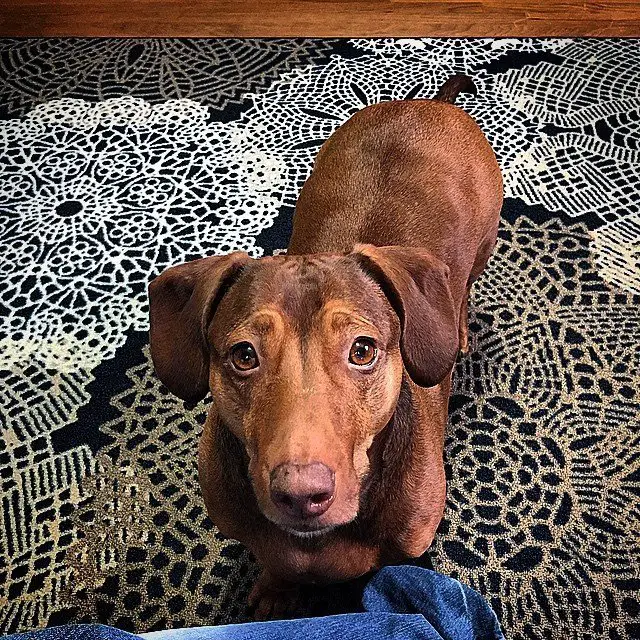
A Pitbull Dachshund mix may be right for you if you want a compact, affectionate dog and you are ready for training, socialization, supervised handling, daily enrichment, and back-aware care. This mix often suits owners who enjoy a funny, bold companion and can provide consistent routines.
Think carefully before choosing this mix if you want a predictable adult size, a dog for rough play, a high-jumping athlete, or a pet that can be left without manners and structure. A Dox Bull needs a home that respects both its personality and its physical build.
Adoption can be especially helpful because an adult dog’s size, body shape, temperament, and mobility are easier to evaluate. If buying from a breeder, ask why the cross was produced, request veterinary records, meet the mother when possible, and avoid sellers who cannot answer questions about health, temperament, or socialization.
Similar Pitbull Mixes to Compare
If the Dox Bull sounds close but not perfect, compare it with these related ABD guides:
- Pitbull Chihuahua Mix guide — compare another compact Pitbull mix with a very different small-dog influence.
- Pitbull Pug Mix guide — useful if you are researching smaller companion-style Pitbull mixes.
- Pitbull Beagle Mix guide — compare for families considering small-to-medium active mixes.
FAQs About the Pitbull Dachshund Mix
What is a Pitbull Dachshund mix called?
A Pitbull Dachshund mix is often called a Dox Bull, Doxie Pit, Dachshund Pitbull mix, or Pitbull Dachshund mix. These are informal mixed-breed names, not official breed names with a standardized size or temperament.
The name can describe the likely parent mix, but it should not be treated as a guarantee. One Dox Bull may have a very low Dachshund-style body, while another may look more like a compact bully-type dog. Evaluate the individual dog’s health, movement, temperament, and history.
How big does a Dox Bull get?
A Dox Bull is usually small to medium, but exact adult size varies widely. Dachshunds are much smaller and lower than most Pitbull-type dogs, so puppies can mature differently depending on parent size, inherited structure, and overall genetics.
If size matters for apartments, stairs, children, travel, or lifting, ask about both parents and look at the actual dog rather than relying on the mix name. Adult rescue dogs are often easier to judge because their size and body shape are already visible.
What does a Pitbull Dachshund mix look like?
Many Pitbull Dachshund mixes look compact, sturdy, and low to the ground, with a muscular chest, expressive face, and short coat. Some have shorter legs and a longer back from the Dachshund side. Others are taller and more balanced, especially if the Pitbull-type parent’s structure is stronger.
Coat colors and markings can vary widely, including tan, black, brown, white, brindle, fawn, chocolate, or mixed patterns. Looks are not a reliable predictor of behavior, so temperament, health, and daily handling should matter more than a specific appearance.
Is a Pitbull Dachshund mix a good family dog?
A Pitbull Dachshund mix can be a good family dog in the right household. Many are affectionate and loyal with familiar people, but they need supervision, gentle handling, and clear boundaries. This is especially important if the dog has a long back or short legs.
Young children should be taught not to lift, squeeze, ride, chase, or drop the dog. Even a sturdy-looking Dox Bull can be physically vulnerable to rough handling. Give the dog a quiet rest area and stop interactions before the dog feels trapped or overwhelmed.
Are Dox Bulls aggressive?
No mixed-breed dog should be labeled automatically aggressive or automatically safe. A Dox Bull’s behavior depends on genetics, socialization, training, health, pain, fear, and the home environment. A well-socialized dog may be friendly and stable, while an under-managed or painful dog may become reactive.
Responsible owners should focus on prevention: positive training, safe introductions, secure containment, daily enrichment, and veterinary care if behavior changes suddenly. If your dog growls, snaps, guards resources, or reacts intensely on leash, work with a qualified reward-based trainer or veterinary behavior professional.
Can a Pitbull Dachshund mix live in an apartment?
Yes, a Pitbull Dachshund mix can live in an apartment if its exercise, noise, training, and body-safety needs are met. Size alone does not make a dog apartment-friendly. Barking, separation stress, leash pulling, and boredom can create problems in small spaces.
Before bringing one home, check lease rules, breed restrictions, insurance requirements, and safe walking areas. If the dog is long-backed, also think about stairs, slippery floors, and furniture access. Ramps, rugs, and controlled routines may help reduce risky jumping.
How much exercise does a Pitbull Dachshund mix need?
Most Dox Bulls need daily walks, sniffing, training games, and controlled play. They are often more active than their short legs suggest, and many enjoy being involved in household routines. Mental enrichment can be just as important as physical exercise.
The key is choosing low-impact activity that fits the dog’s structure. Avoid repeated high jumping, rough stair races, and overexertion, especially for puppies, seniors, overweight dogs, or dogs with back or joint concerns. Ask your veterinarian for guidance if your dog limps, seems painful, or tires unusually fast.
What health problems can a Pitbull Dachshund mix have?
A Pitbull Dachshund mix can inherit health risks from either parent side. Owners should discuss back problems, intervertebral disc disease risk, obesity, joint issues, skin allergies, ear infections, dental disease, and mobility concerns with a veterinarian.
This does not mean every Dox Bull will be unhealthy. It means owners should keep the dog lean, prevent risky jumping when appropriate, maintain regular checkups, and respond quickly to pain or neurologic signs. Sudden weakness, dragging feet, severe back pain, or loss of bladder control should be treated as urgent veterinary concerns.
What should a Dox Bull eat?
Most Dox Bulls should eat a complete and balanced diet matched to their life stage, size, body condition, and activity level. Because this mix can vary widely in size, meal amounts should be measured and adjusted to the individual dog.
Weight control is especially important for compact or long-backed dogs because extra pounds can strain the back and joints. Use small training treats, track calories, and ask your veterinarian before using homemade, raw, grain-free, supplement-heavy, or weight-loss diets.
Where can I find a Pitbull Dachshund mix?
Start with local shelters, Pitbull rescues, Dachshund rescues, and mixed-breed rescue groups. Adoption can be a smart route because adult size, body shape, temperament, and movement are easier to evaluate in a mature dog.
If buying from a breeder, ask why the cross was bred, meet the mother when possible, request veterinary records, ask about parent temperament, and avoid sellers who cannot answer health or socialization questions. A responsible source should care where the puppy goes and should accept the dog back if the placement fails.