
Pitbull dogs are some of the most recognized and misunderstood dogs in the world. Some people picture loyal family companions. Others picture dangerous stereotypes. The truth is more practical: Pitbull-type dogs are strong, people-focused, athletic dogs that need responsible ownership, training, socialization, exercise, and secure management.
The first thing to understand is that “Pitbull” is not always used as one exact breed name. In everyday conversation, it often describes several bully-type breeds and mixes with similar looks. The American Pit Bull Terrier is a specific breed recognized by the United Kennel Club, while the American Staffordshire Terrier, Staffordshire Bull Terrier, American Bully, and many mixes are often grouped under the wider Pitbull label.
This guide explains what Pitbull dogs really are, what they are like to live with, how big they get, common health and training needs, and how to decide if one is right for your home.
Quick Answer: What Are Pitbull Dogs?
Pitbull dogs are usually medium-sized, muscular, short-coated bully-type dogs known for strength, athleticism, confidence, and strong attachment to their people. The phrase can refer to the American Pit Bull Terrier specifically, but it is also commonly used as an umbrella term for related breeds and mixed-breed dogs with similar physical traits.
A Pitbull’s behavior is not determined by the label alone. Genetics, early handling, health, socialization, training, environment, and owner responsibility all matter. A well-raised Pitbull can be affectionate, playful, trainable, and loyal, while a poorly managed dog of any breed can develop serious behavior problems.
If you are comparing related bully breeds, start with our guide to American Bully vs Pitbull differences.
Pitbull Dogs Quick Facts
| Trait | Typical Details |
|---|---|
| Common label | Pitbull, Pit Bull, Pit Bull-type dog |
| Specific breed | American Pit Bull Terrier is a specific UKC-recognized breed |
| Other dogs often included | American Staffordshire Terrier, Staffordshire Bull Terrier, American Bully, mixes |
| Size | Often 30–70 pounds depending on type and build |
| Height | Often around 17–23 inches at the shoulder |
| Coat | Short, smooth, low-maintenance |
| Temperament | Affectionate, energetic, confident, eager to engage, people-focused |
| Exercise needs | Moderate to high daily exercise plus mental enrichment |
| Best for | Active owners who can train, socialize, supervise, and manage a strong dog |
| Watch-outs | Breed restrictions, dog selectivity, skin/ear/allergy issues, poor breeding |
Is “Pitbull” One Breed?
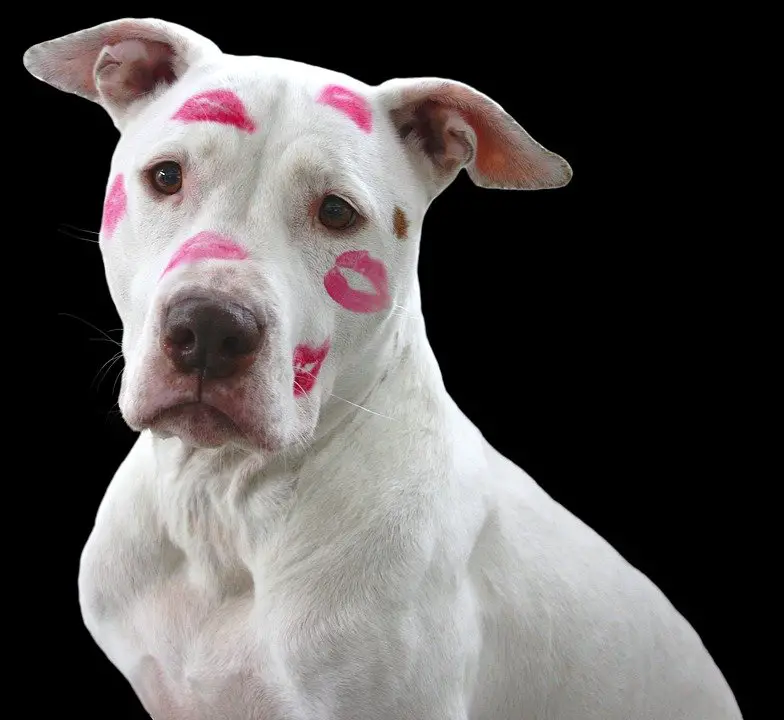
Sometimes yes, sometimes no. Technically, the American Pit Bull Terrier is a specific breed recognized by the United Kennel Club. But in shelters, media, laws, and everyday conversation, “Pitbull” is often used more broadly.
Dogs commonly placed under the Pitbull label include:
- American Pit Bull Terrier
- American Staffordshire Terrier
- Staffordshire Bull Terrier
- American Bully
- Bully-type mixes
- Mixed-breed dogs that simply look similar
This matters because appearance alone can be misleading. A dog may look like a Pitbull but have mixed ancestry. Another dog may be labeled a Pitbull because of a broad head and muscular build, even without paperwork. For owners, the practical question is not just “What label is this dog?” It is “What is this individual dog’s temperament, health, training history, and energy level?”
Pitbull History and Origin
Pitbull-type dogs trace back to bull-and-terrier dogs developed in the 19th century from bulldog and terrier ancestry. Historically, some were used in cruel blood sports. Later, many worked as farm dogs, hunting dogs, catch dogs, livestock helpers, and family companions.
That history should be acknowledged honestly, but it should not be used to judge every modern dog. Today, many Pitbull-type dogs live as companions, sport dogs, therapy dogs, rescue dogs, and active family pets.
Responsible ownership is the key. A strong dog with energy and drive needs training and outlets. A Pitbull that is exercised, socialized, supervised, and treated fairly is much more likely to become a stable companion.
What Do Pitbull Dogs Look Like?
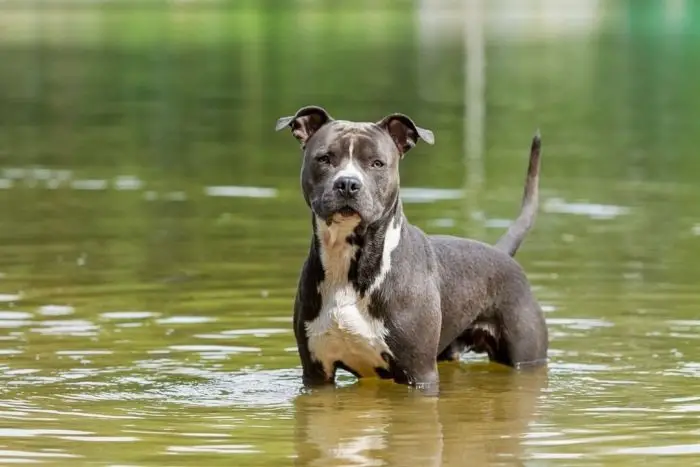
Pitbull-type dogs usually have a short coat, muscular body, broad head, deep chest, and athletic build. They should look powerful without being so exaggerated that movement, breathing, or health is compromised.
Coat colors vary widely. Pitbull dogs can be black, white, fawn, brindle, blue, red, brown, tan, or mixed-color. Some have white chest markings, masks, patches, or ticking.
Color does not determine temperament. If you want to learn about popular color variations, read our Red Nose Pit Bull guide, Blue Nose Pit Bull guide, and Brindle Pitbull guide.
Pitbull Size, Weight, and Height
Pitbull dogs vary because the label covers more than one breed and many mixed-breed dogs. Many fall around 30–70 pounds and roughly 17–23 inches at the shoulder.
A lean, athletic Pitbull is usually healthier than one bred only for bulk. Oversized, over-muscled dogs may look impressive online, but extra weight can strain joints and reduce stamina.
Use body condition instead of chasing a number. You should be able to feel the ribs without pressing hard, and the dog should have a visible waist from above. If you are unsure, ask your veterinarian to help set a healthy target weight.
Pitbull Temperament and Personality
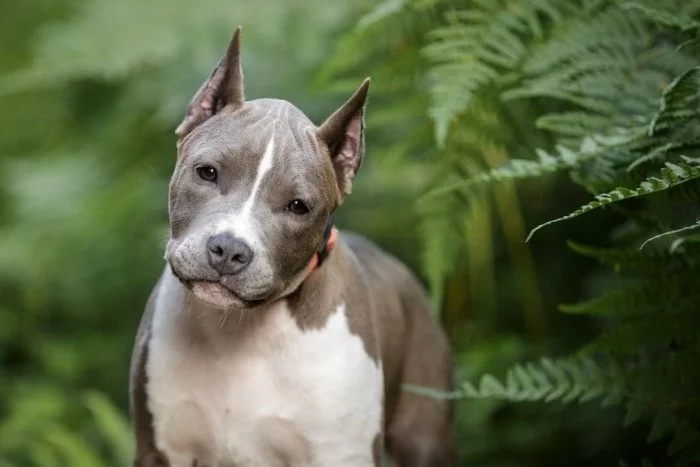
Many Pitbull dogs are affectionate, people-focused, playful, confident, and eager to be involved in daily life. They often enjoy training games, tug, fetch, walks, car rides, couch time, and being near their family.
They can also be intense. A young Pitbull may jump, mouth, pull on leash, chew, dig, or become rowdy if under-exercised. That does not make the dog “bad”; it means the owner needs better structure, outlets, and training.
The best Pitbull owners are consistent and active. They teach rules early, reward good choices, manage the environment, and do not wait until a small problem becomes a dangerous habit.
Are Pitbull Dogs Good Family Dogs?
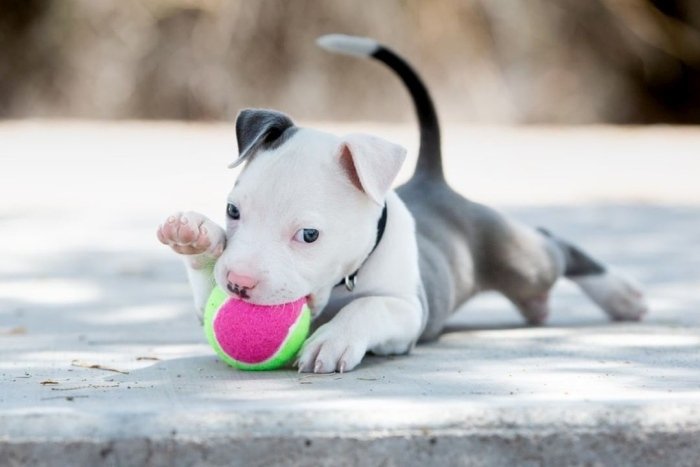
Pitbull dogs can be excellent family dogs in the right home. Many are loving, silly, loyal companions that bond deeply with adults and children.
However, supervision matters. Pitbulls are strong dogs, and even friendly play can knock over a small child. Children should be taught not to climb on dogs, grab ears, take food, or bother a sleeping dog.
A good family fit usually includes:
- Daily exercise
- Consistent training
- Supervised child-dog interaction
- Safe rest space for the dog
- Secure fencing or leash control
- A plan for dog introductions
- Budget for vet care, food, and training
If your household cannot provide those basics, wait before adopting any strong, active dog.
Are Pitbulls Aggressive or Dangerous?
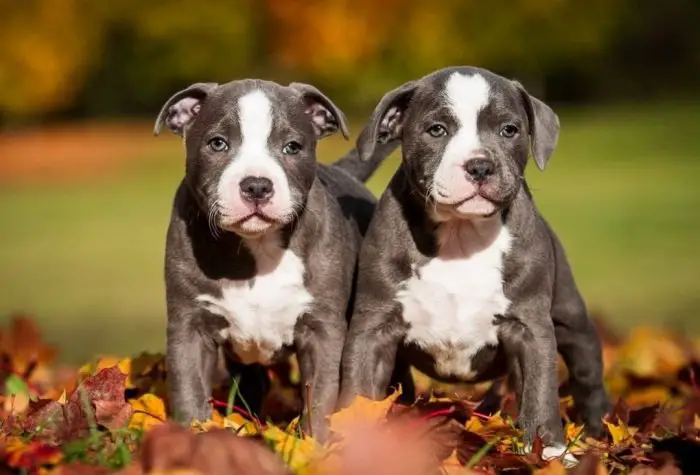
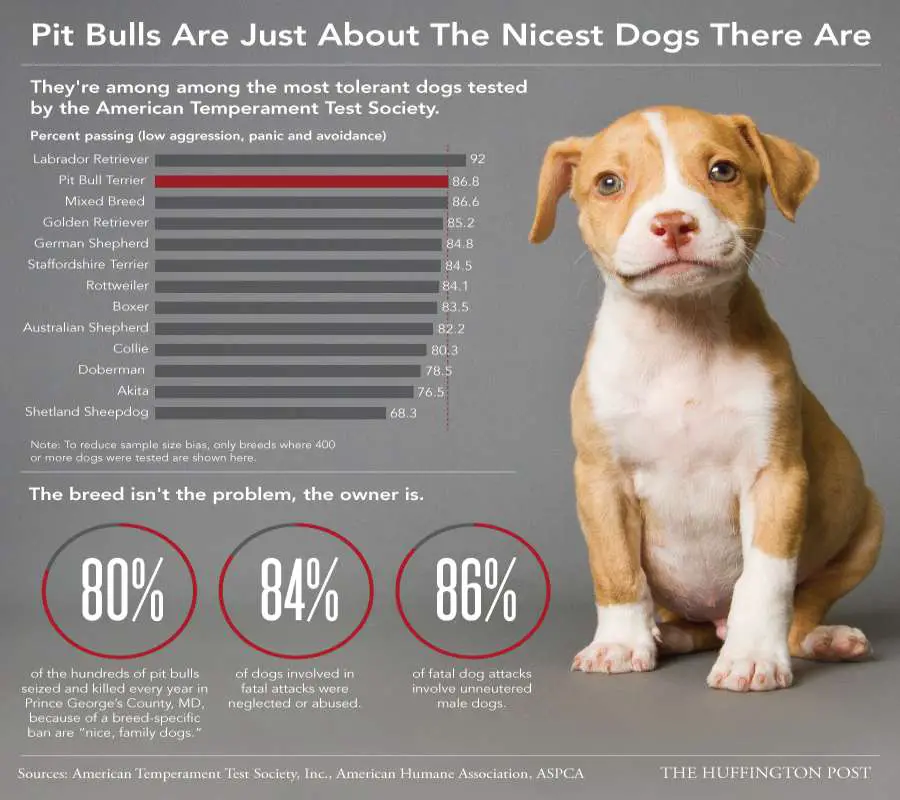
Pitbull dogs are not automatically aggressive or dangerous because of their label. Human-directed aggression is not considered normal or desirable in the American Pit Bull Terrier standard, and many Pitbull-type dogs are friendly with people.
At the same time, it is irresponsible to pretend strength does not matter. A Pitbull is a powerful dog. If one is poorly bred, abused, under-socialized, untrained, unmanaged, or in pain, the consequences can be serious.
Some Pitbull-type dogs are also selective with other dogs. This can appear as they mature, even if they were social puppies. Dog selectivity is manageable, but owners should avoid chaotic dog parks, use secure equipment, supervise introductions, and respect the dog’s body language.
If your dog shows aggression, do not ignore it. Start with a veterinary check for pain or health issues, then work with a qualified reward-based trainer or behavior professional.
Training Tips for Pitbull Dogs
Pitbull dogs often respond well to positive reinforcement because they are smart, energetic, and eager to engage. Use food rewards, toys, praise, and clear routines.
Focus on skills that make daily life safer:
- Loose-leash walking
- Sit, down, stay, and come
- Leave it and drop it
- Calm greetings without jumping
- Crate or safe-space comfort
- Muzzle training for safety when needed
- Handling for paws, ears, mouth, and vet exams
- Waiting at doors and gates
Avoid training based on intimidation. Harsh corrections can create fear, conflict, or defensive behavior. A strong dog needs clarity, consistency, and fair boundaries, not chaos.
Socialization: What Pitbull Owners Should Know
Socialization does not mean forcing your dog to meet every person and dog. It means teaching the dog to stay calm and confident around normal life: people, traffic, children, vets, grooming, noises, and other dogs at a safe distance.
Good socialization includes controlled exposure, rewards, breaks, and reading body language. If your dog is nervous or overstimulated, create distance and make the situation easier.
For a detailed plan, use our guide on how to socialize a Pitbull. This is especially important for rescue dogs, adolescent dogs, and dogs with unknown histories.
Exercise and Mental Enrichment
Most Pitbull dogs need daily exercise. A quick potty walk is rarely enough for a young, healthy adult. Without outlets, they may chew, bark, dig, pull, jump, or become frustrated.
Good activities include:
- Brisk walks
- Tug with rules
- Fetch in a secure area
- Flirt-pole games
- Scent games
- Puzzle feeders
- Obedience practice
- Hiking where allowed
- Supervised chew time
Equipment should fit well and be strong enough for your dog. See our guide to the best harness for Pitbulls for safer walking options. For enrichment, rotate durable toys for Pitbulls and supervise heavy chewers.
Feeding and Weight Management
Feed a complete, balanced diet for your dog’s life stage, size, activity level, and body condition. Pitbull dogs are muscular, but that does not mean they need to be bulky or overweight.
Extra weight increases stress on joints and can make an active dog less comfortable. Measure meals, limit high-calorie treats, and adjust food if your dog gains or loses weight.
If your dog has chronic itching, ear infections, vomiting, diarrhea, or paw licking, talk to your veterinarian before jumping from food to food. True food allergies often require a strict elimination diet trial under veterinary guidance.
For food options and feeding tips, see our guide to the best dog food for Pitbulls.
Common Pitbull Health Issues
Pitbull-type dogs can be healthy, athletic companions, but owners should watch for common issues.
Possible concerns include:
- Skin irritation and allergies
- Ear infections
- Hip or joint problems
- Gastrointestinal sensitivity
- Dental disease
- Thyroid issues
- Weight gain
- Injuries from rough play or poor conditioning
Schedule routine vet visits and do not ignore repeated symptoms. Itchy paws, head shaking, hair loss, limping, sudden irritability, vomiting, diarrhea, or major behavior changes deserve attention.
Grooming and Coat Care
Pitbull dogs are generally low-maintenance for grooming. Their short coat usually needs weekly brushing, occasional baths, nail trims, dental care, and regular ear checks.
Because the coat is short, skin problems can be easy to spot. Look for redness, bald patches, scabs, hot spots, flakes, or excessive licking.
Do not over-bathe with harsh shampoo. If your dog smells bad shortly after bathing or keeps scratching, ask your vet whether allergies, yeast, parasites, or infection could be involved.
Pitbull Dogs and Other Pets
Some Pitbull dogs live happily with other dogs or cats. Others are selective, especially with unfamiliar dogs or small animals. There is no one-size-fits-all answer.
Introduce pets slowly and safely. Use barriers, leashes, parallel walks, and controlled sessions. Separate dogs during meals, high-value chews, and unsupervised time until you know them very well.
Avoid assuming a dog park is necessary. Many Pitbulls do better with structured walks, known dog friends, training classes, and owner-focused activities than with chaotic off-leash groups.
Legal, Housing, and Insurance Issues
Before bringing home a Pitbull-type dog, check your local rules. Some cities, landlords, housing associations, or insurance companies restrict Pitbulls or dogs that look like Pitbulls.
This is not about whether your individual dog is good or bad. It is practical planning. You do not want to adopt a dog and then discover you cannot keep it because of rental rules or insurance restrictions.
Check:
- City or county breed laws
- Apartment lease rules
- HOA rules
- Home insurance policies
- Travel restrictions
- Boarding/daycare policies
Adoption, Rescue, or Breeder?
Adoption is a great option for many Pitbull owners. Shelters and rescues often have Pitbull-type dogs of many ages, sizes, and personalities. Foster notes can help you choose a dog that matches your home.
If buying from a breeder, look for health testing, stable parent dogs, clean conditions, socialization, contracts, and lifetime support. Avoid breeders who focus only on exaggerated size, color, “rare bloodlines,” or tough-dog marketing.
Whether you adopt or buy, choose the dog based on fit, not hype. Ask about energy level, dog tolerance, child experience, crate comfort, leash skills, medical history, and training needs.
FAQs About Pitbull Dogs
Are Pitbulls a breed?
The answer depends on how the word is being used. The American Pit Bull Terrier is a specific breed recognized by the United Kennel Club. But in everyday use, “Pitbull” often means a group of bully-type dogs and mixes with similar physical traits.
This is why labels can be confusing. One shelter may call a dog a Pitbull mix based on appearance, while another owner may mean a registered American Pit Bull Terrier. Breed-specific laws may also use the term broadly.
For practical ownership, focus on the individual dog. Temperament, health, age, training history, energy level, and your ability to manage a strong dog matter more than the label alone.
Are Pitbulls good family dogs?
Pitbulls can be excellent family dogs when they are well-matched to the household and raised with structure. Many are affectionate, playful, and deeply attached to their people.
They still need supervision around children. A friendly Pitbull can accidentally knock over a toddler, steal food, or become overstimulated during rough play. Teach children respectful dog manners and give the dog a quiet place to rest.
The best family homes provide exercise, training, boundaries, vet care, and safe management. If a family wants a low-effort dog that needs little exercise or training, a Pitbull may not be the right fit.
Are Pitbulls aggressive?
Pitbulls are not automatically aggressive because of their breed label. Behavior is shaped by genetics, early socialization, training, environment, health, and owner decisions.
Some Pitbull-type dogs may be selective or reactive with other dogs, especially as adults. That is different from being unsafe with people, but it still requires responsible management.
Any serious aggression should be addressed early. Rule out pain or illness with a veterinarian, then contact a qualified trainer or behavior professional. Avoid punishment-heavy methods that can increase fear or conflict.
How big do Pitbull dogs get?
Many Pitbull-type dogs weigh around 30–70 pounds and stand about 17–23 inches tall, but there is wide variation because “Pitbull” is used for multiple breeds and mixes.
The American Pit Bull Terrier is usually medium-sized and athletic, while some American Bullies may be heavier and broader. Mixed-breed dogs can fall outside expected ranges.
Do not choose based only on size. A balanced, healthy, well-moving dog is better than an oversized dog bred for extreme bulk.
How long do Pitbulls live?
Many Pitbull-type dogs live into the early to mid-teens with good care, though lifespan varies by breed type, genetics, weight, health, and lifestyle.
You can support longevity by keeping your dog lean, feeding a balanced diet, scheduling routine vet visits, maintaining dental care, preventing parasites, and treating injuries or skin issues early.
Senior Pitbulls may need lower-impact exercise, joint support, diet adjustments, and more frequent health checks. Watch for stiffness, lumps, coughing, appetite changes, or behavior changes.
What health problems are common in Pitbulls?
Common concerns can include skin irritation, allergies, ear infections, hip or joint problems, gastrointestinal sensitivity, dental disease, and weight gain. Some dogs may also develop thyroid or other medical issues.
Do not diagnose chronic itching or stomach upset by guessing. For example, true food allergies require a careful veterinary plan, often including an elimination diet trial.
If your Pitbull scratches constantly, shakes its head, limps, loses hair, vomits repeatedly, or suddenly acts different, schedule a vet visit.
Are Pitbulls good with other dogs?
Some Pitbulls are good with other dogs, and some are selective. Dog tolerance is individual and can change as a dog matures.
Use slow introductions, neutral spaces, parallel walks, and supervision. Do not force your dog into greetings if it is stiff, staring, growling, lunging, or trying to leave.
Dog parks are not the best fit for every Pitbull. Many do better with known dog friends, structured activities, or owner-focused games.
How much exercise does a Pitbull need?
Most healthy adult Pitbulls need daily physical exercise and mental enrichment. The exact amount depends on age, health, fitness, and personality.
A good routine may include walks, training, tug, fetch in a secure area, puzzle feeders, and supervised chewing. Puppies and seniors need adjusted exercise to protect joints and avoid overdoing it.
If your dog is destructive, restless, or impossible to settle, the issue may be too little enrichment, unclear rules, anxiety, or medical discomfort. Look at the whole routine, not just the number of minutes walked.
Should I adopt or buy a Pitbull?
Adoption is often a smart first choice because many Pitbull-type dogs are waiting in rescues and shelters. Adult dogs can be easier to match because their size, personality, and dog tolerance are more visible.
Buying from a breeder may make sense if you want a puppy from documented lines, but the breeder should prove health, temperament, and responsible placement. Avoid anyone selling only color, size, or “rare” labels.
Before adopting or buying, check housing rules, local laws, insurance, exercise time, training budget, and your ability to manage a strong dog responsibly.
What should I name a Pitbull?
Choose a name that is easy to say, easy for the dog to recognize, and comfortable to use in public. Short names with one or two syllables often work well for training.
Strong names, funny names, classic human names, and color-based names can all fit. The best name matches the dog’s personality and is something you will still like years later.
For ideas, see our list of Pitbull names.
Final Thoughts
Pitbull dogs can be loyal, affectionate, athletic companions, but they are not the right fit for every owner. They need exercise, training, supervision, socialization, vet care, and responsible handling.
The best approach is balanced: do not believe every negative stereotype, but do not ignore the responsibility that comes with a strong, energetic dog. Choose the individual dog carefully, train with consistency, and build a life that helps your Pitbull succeed.
—