
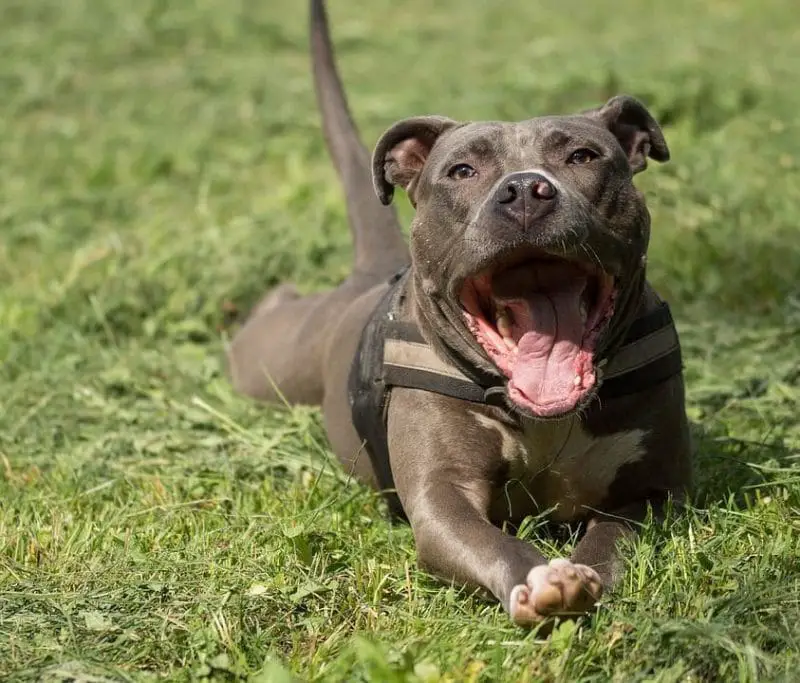
Pitbull mixes can be loyal, athletic, people-focused dogs, but the best choice depends on more than appearance. The other parent breed can change the dog’s size, energy level, coat, temperament, training needs, and possible health risks. This guide is built as a comparison hub: use it to narrow your options, then jump into the full child guide for the specific mix you are researching.
Quick Answer: What Should You Know About Pitbull Mixes?
A Pitbull mix can be a loving family companion for the right home, but no Pitbull mix breed is automatically the best choice for every owner. Compare the parent breeds, adult size, exercise needs, training difficulty, individual temperament, and local housing or breed rules before choosing. If you are new to strong, athletic dogs, start with a mix that matches your schedule and handling experience rather than choosing by looks alone.
Quick Facts About Pitbull Mix Breeds
| Question | Short answer |
|---|---|
| What is a Pitbull mix? | A dog with Pitbull-type ancestry and another breed in the family line. |
| Are all Pitbull mixes the same? | No. Size, coat, energy, temperament, and health risks vary widely by parent breeds and individual dog. |
| Best fit | Owners who can provide daily exercise, training, socialization, structure, and responsible management. |
| Biggest mistake | Choosing by looks only instead of matching the dog to your lifestyle. |
| First-time owner caution | Some mixes can work for committed first-time owners, but high-drive or very powerful mixes are usually better for experienced homes. |
Start Here: Find the Right Pitbull Mix for Your Home
This page is organized so readers and search crawlers can understand the cluster clearly: first compare the mixes, then review each mix summary, then move to health, training, adoption, and FAQ guidance.
- Best for active owners: Pitsky, Shepherd Pit, Aussie Pit, Cattle Pit, Border Pit, Pointer Pit, and Pitmatian.
- Best for owners wanting a smaller dog: Chipit, Dox Bull, Pugbull, Pocket Pitbull, Corgi Pit, and Boston Pit.
- Best for experienced strong-dog homes: Pitweiler, Pit Mastiff, Great Danebull, Corso Pit, Dober Pit, and Shepherd Pit.
- Best starting point for breed background: read our Pitbull dog breed guide and types of Pitbull dogs guide before comparing mixes.
Pitbull Mixes Compared
Use this table as a quick sorting tool. The ranges are general because mixed-breed dogs can inherit different traits from either parent.
| Mix | Typical size | Energy | Best owner fit |
|---|---|---|---|
| Pitbull Lab Mix (Labrabull) | Medium to large | High | Active families, runners, outdoor owners |
| Pitbull Beagle Mix (Beagle Bull) | Medium | Medium to high | Owners who enjoy walks, scent games, and playful dogs |
| Pitbull Boxer Mix (Bullboxer) | Medium to large | High | Active homes that want a goofy, muscular companion |
| Pitbull Bulldog Mix (Bullypit) | Medium | Medium | Families wanting a sturdy companion with moderate exercise needs |
| Pitbull Chihuahua Mix (Chipit or Pithuahua) | Small to medium | Medium | Apartments or smaller homes with committed training |
| Pitbull Dachshund Mix (Dox Bull) | Small to medium | Medium | Owners who want a low-to-the-ground companion |
| Pitbull Great Dane Mix (Great Danebull) | Large to giant | Medium | Experienced owners with space and leash-control confidence |
| Pitbull Mastiff Mix (Pit Mastiff) | Large to giant | Medium | Experienced homes that want a calm but powerful dog |
| Pitbull Pug Mix (Pugbull) | Small to medium | Low to medium | Homes wanting a compact companion with moderate exercise |
| Pitsky (Pitbull Husky Mix) | Medium to large | Very high | Active owners who like running, hiking, and training games |
| Pitweiler (Pitbull Rottweiler Mix) | Large | Medium to high | Experienced owners who can train powerful dogs kindly and consistently |
| Pocket Pitbull (Miniature Pitbull-type mix) | Small to medium | Medium | Owners wanting a smaller bully-type companion |
| German Shepherd Pitbull Mix (Shepherd Pit) | Large | High | Structured homes that enjoy training and daily work |
| Australian Shepherd Pitbull Mix (Aussie Pit) | Medium to large | Very high | Sporty homes that like mental work, agility, and training |
| Blue Heeler Pitbull Mix (Cattle Pit) | Medium | Very high | Experienced active owners who understand herding drive |
| Border Collie Pitbull Mix (Border Pit) | Medium | Very high | Owners who want an intense training partner |
| Cane Corso Pitbull Mix (Corso Pit) | Large | Medium to high | Experienced homes with strong socialization habits |
| Golden Retriever Pitbull Mix (Golden Pit) | Medium to large | Medium to high | Families that want an affectionate active dog |
| Pitbull Doberman Mix (Dober Pit) | Large | High | Experienced owners wanting an athletic watchdog-style companion |
| Pitbull Corgi Mix (Corgi Pit) | Small to medium | Medium | Owners wanting a playful, unusual smaller mix |
| Pitbull Shar Pei Mix (Shar Pit) | Medium | Medium | Owners prepared for skin, coat, and socialization needs |
| Pitbull Pointer Mix (Pointer Pit) | Medium to large | High | Outdoor owners who enjoy running and scent/tracking games |
| Pitbull Catahoula Mix (Catahoula Pit) | Medium to large | High | Rural or active homes that understand working dogs |
| Pitbull Boston Terrier Mix (Boston Pit) | Small to medium | Medium | Homes wanting a smaller, people-focused companion |
| Pitbull Dalmatian Mix (Pitmatian) | Medium to large | High | Active homes that can handle an athletic spotted companion |
25 Popular Pitbull Mixes
These 25 Pitbull mix breeds are listed with short owner-focused notes. Where American Bully Daily has a full child guide, the section links to that deeper article using descriptive anchor text.
1. Pitbull Lab Mix (Labrabull)
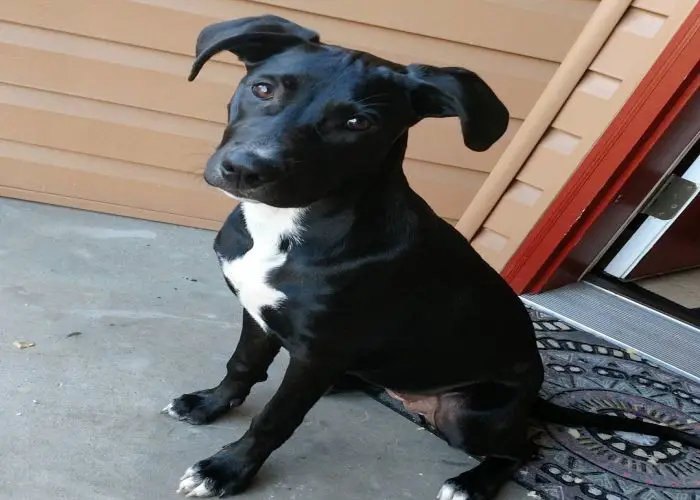
Best fit: Active families, runners, outdoor owners. Typical size: Medium to large. Energy level: High.
Friendly, athletic, and people-focused, but can be strong and excitable without training.
Read the full Pitbull Lab Mix guide for temperament, size, care, training, and health details.
2. Pitbull Beagle Mix (Beagle Bull)
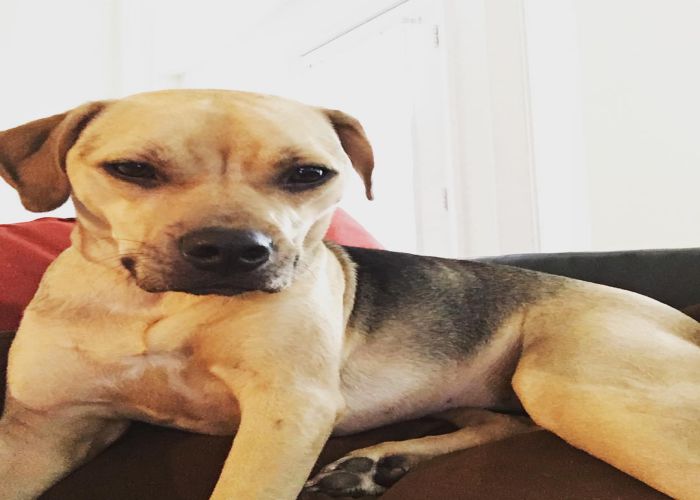
Best fit: Owners who enjoy walks, scent games, and playful dogs. Typical size: Medium. Energy level: Medium to high.
A cheerful scent-driven mix that needs recall work, food management, and daily enrichment.
Read the full Pitbull Beagle Mix guide for temperament, size, care, training, and health details.
3. Pitbull Boxer Mix (Bullboxer)
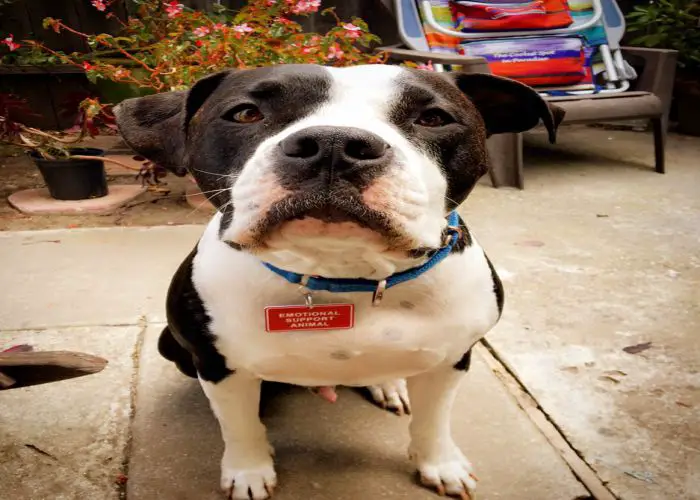
Best fit: Active homes that want a goofy, muscular companion. Typical size: Medium to large. Energy level: High.
Usually energetic and affectionate, with a need for structure, leash manners, and calm greetings.
Read the full Pitbull Boxer Mix guide for temperament, size, care, training, and health details.
4. Pitbull Bulldog Mix (Bullypit)
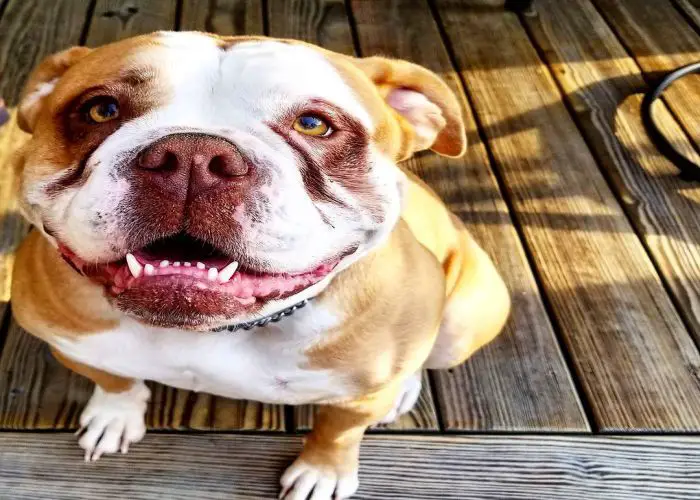
Best fit: Families wanting a sturdy companion with moderate exercise needs. Typical size: Medium. Energy level: Medium.
Often loyal and people-loving, but watch heat tolerance, breathing comfort, weight, and skin folds.
Read the full Pitbull Bulldog Mix guide for temperament, size, care, training, and health details.
5. Pitbull Chihuahua Mix (Chipit or Pithuahua)
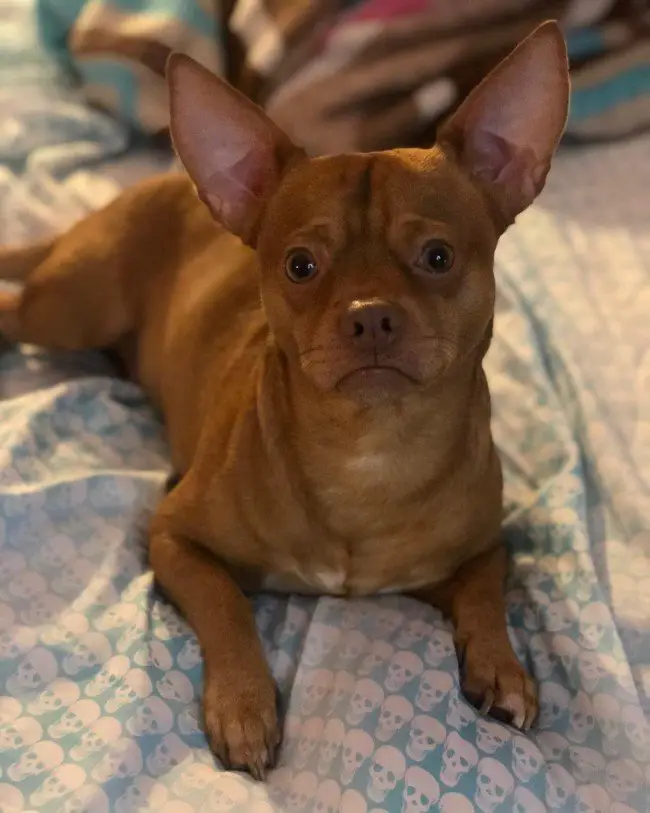
Best fit: Apartments or smaller homes with committed training. Typical size: Small to medium. Energy level: Medium.
A compact mix that can be bold, alert, and surprisingly athletic; socialization matters early.
Read the full Pitbull Chihuahua Mix guide for temperament, size, care, training, and health details.
6. Pitbull Dachshund Mix (Dox Bull)
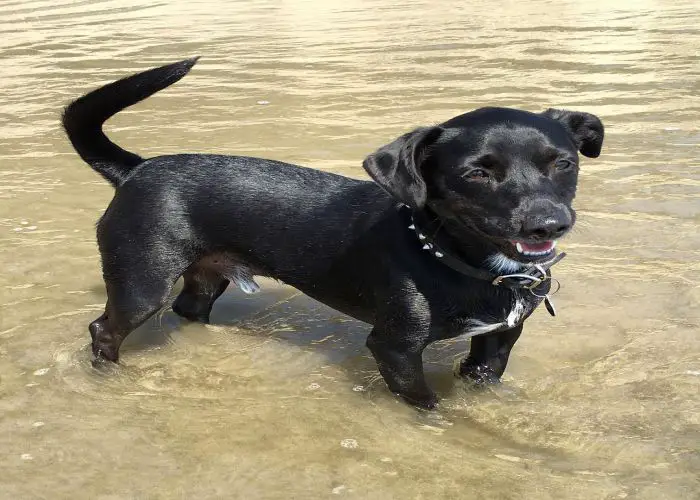
Best fit: Owners who want a low-to-the-ground companion. Typical size: Small to medium. Energy level: Medium.
Can be playful and stubborn; protect the back, manage jumping, and keep weight under control.
Read the full Pitbull Dachshund Mix guide for temperament, size, care, training, and health details.
7. Pitbull Great Dane Mix (Great Danebull)
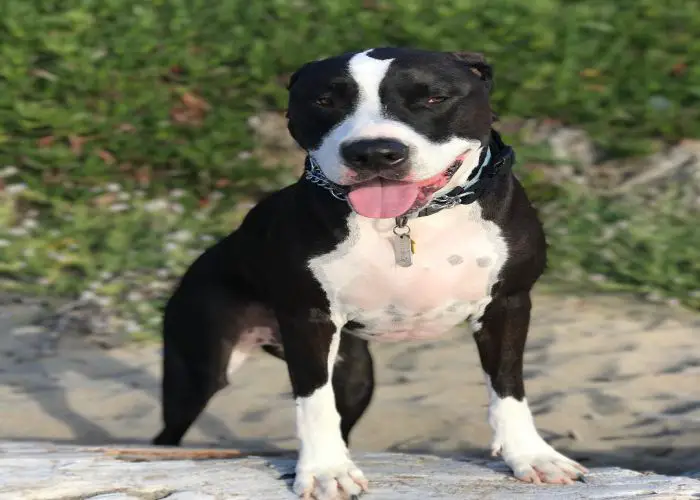
Best fit: Experienced owners with space and leash-control confidence. Typical size: Large to giant. Energy level: Medium.
A very large mix that may be sweet but needs careful growth, joint care, and polite handling skills.
Read the full Pitbull Great Dane Mix guide for temperament, size, care, training, and health details.
8. Pitbull Mastiff Mix (Pit Mastiff)
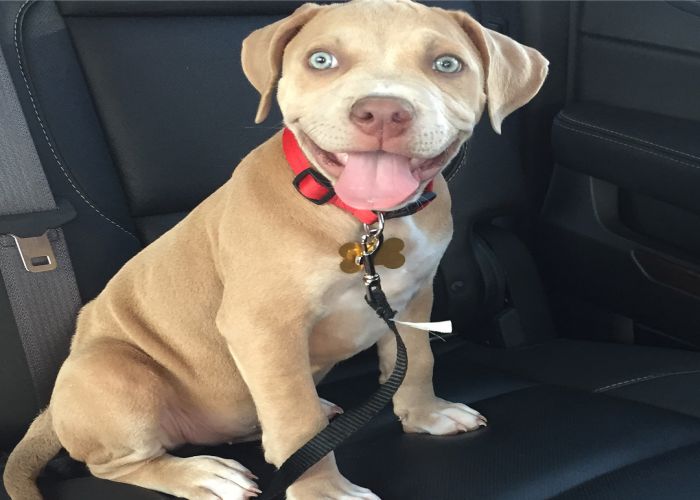
Best fit: Experienced homes that want a calm but powerful dog. Typical size: Large to giant. Energy level: Medium.
Usually strong and protective-looking; early socialization and weight/joint management are important.
Read the full Pitbull Mastiff Mix guide for temperament, size, care, training, and health details.
9. Pitbull Pug Mix (Pugbull)
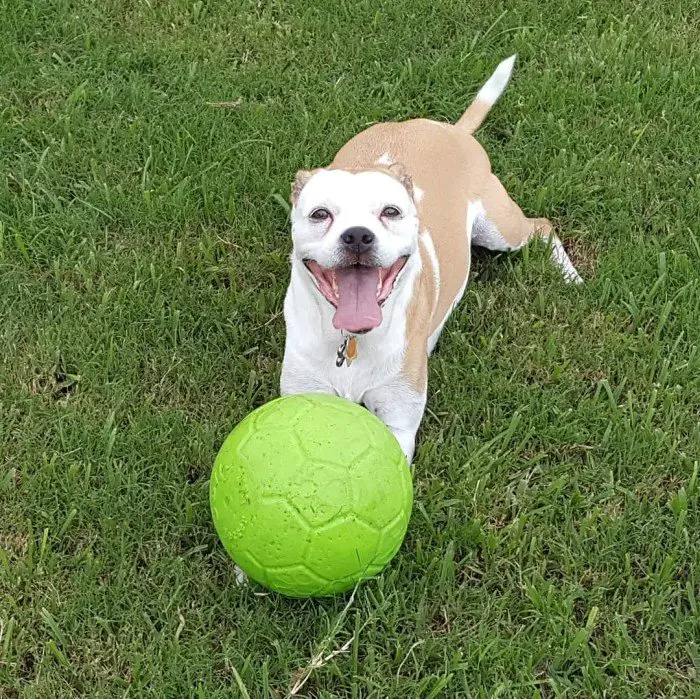
Best fit: Homes wanting a compact companion with moderate exercise. Typical size: Small to medium. Energy level: Low to medium.
Can be charming and people-focused, but owners must watch breathing comfort, heat, weight, and skin.
Read the full Pitbull Pug Mix guide for temperament, size, care, training, and health details.
10. Pitsky (Pitbull Husky Mix)
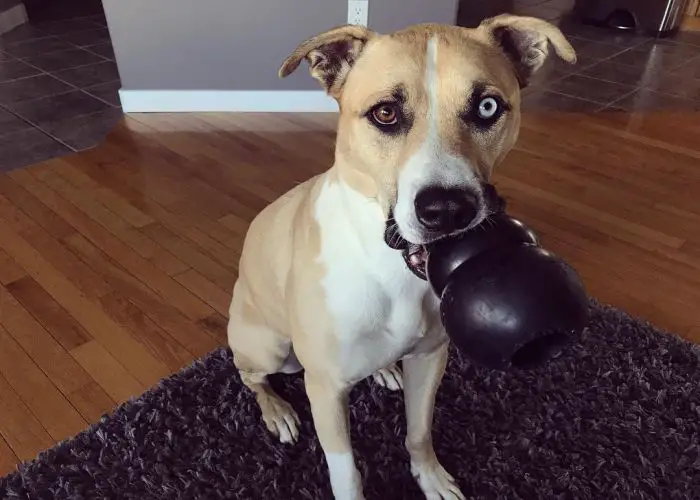
Best fit: Active owners who like running, hiking, and training games. Typical size: Medium to large. Energy level: Very high.
A high-energy mix that may be vocal, independent, and escape-curious without enough activity.
Read the full Pitsky guide for temperament, size, care, training, and health details.
11. Pitweiler (Pitbull Rottweiler Mix)
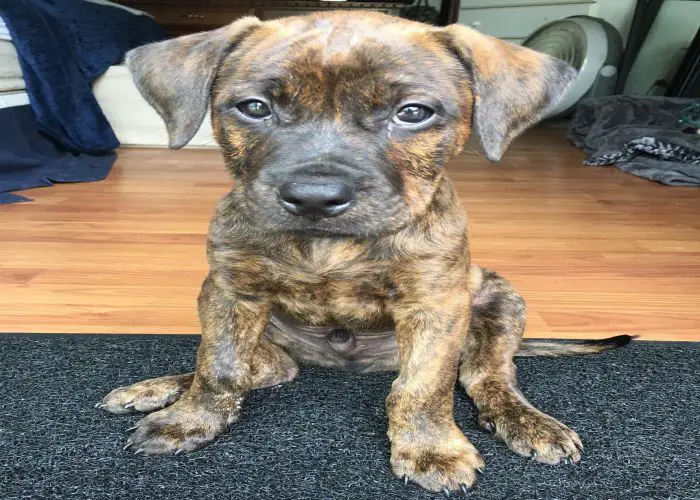
Best fit: Experienced owners who can train powerful dogs kindly and consistently. Typical size: Large. Energy level: Medium to high.
Often loyal and strong; needs early social exposure, impulse control, and confident handling.
Read the full Pitweiler guide for temperament, size, care, training, and health details.
12. Pocket Pitbull (Miniature Pitbull-type mix)
Best fit: Owners wanting a smaller bully-type companion. Typical size: Small to medium. Energy level: Medium.
Size varies because “Pocket Pitbull” is used inconsistently; judge the individual dog, not the label.
Read the full Pocket Pitbull guide for temperament, size, care, training, and health details.
13. German Shepherd Pitbull Mix (Shepherd Pit)
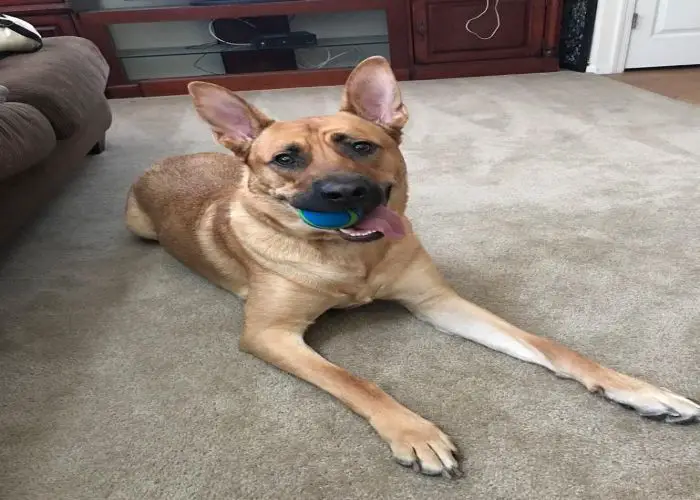
Best fit: Structured homes that enjoy training and daily work. Typical size: Large. Energy level: High.
A smart, athletic mix that often needs a job, strong socialization, and careful channeling of drive.
Read the full German Shepherd Pitbull Mix guide for temperament, size, care, training, and health details.
14. Australian Shepherd Pitbull Mix (Aussie Pit)
Best fit: Sporty homes that like mental work, agility, and training. Typical size: Medium to large. Energy level: Very high.
A brainy, athletic mix that can become restless if exercise and training are not part of the daily routine.
Read the full Australian Shepherd Pitbull Mix guide for temperament, size, care, training, and health details.
15. Blue Heeler Pitbull Mix (Cattle Pit)
Best fit: Experienced active owners who understand herding drive. Typical size: Medium. Energy level: Very high.
A tough, energetic mix that may herd, nip, or chase unless trained and given appropriate outlets.
Read the full Blue Heeler Pitbull Mix guide for temperament, size, care, training, and health details.
16. Border Collie Pitbull Mix (Border Pit)
Best fit: Owners who want an intense training partner. Typical size: Medium. Energy level: Very high.
This mix can be highly intelligent and intense; mental stimulation is as important as exercise.
Read the full Border Collie Pitbull Mix guide for temperament, size, care, training, and health details.
17. Cane Corso Pitbull Mix (Corso Pit)
Best fit: Experienced homes with strong socialization habits. Typical size: Large. Energy level: Medium to high.
A powerful guardian-type mix that needs steady leadership, legal awareness, and careful early training.
Read the full Cane Corso Pitbull Mix guide for temperament, size, care, training, and health details.
18. Golden Retriever Pitbull Mix (Golden Pit)
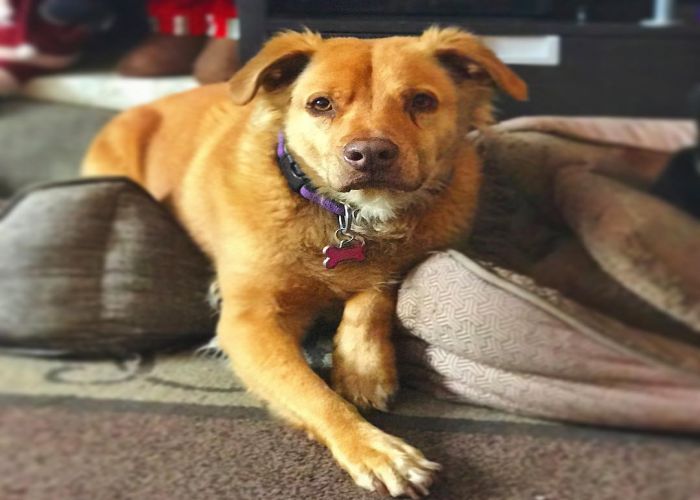
Best fit: Families that want an affectionate active dog. Typical size: Medium to large. Energy level: Medium to high.
Often friendly and social, but still needs exercise, grooming, and training to manage enthusiasm.
Read the full Golden Retriever Pitbull Mix guide for temperament, size, care, training, and health details.
19. Pitbull Doberman Mix (Dober Pit)
Best fit: Experienced owners wanting an athletic watchdog-style companion. Typical size: Large. Energy level: High.
A sleek, energetic mix that may be very attached to family and needs structured socialization.
Read the full Pitbull Doberman Mix guide for temperament, size, care, training, and health details.
20. Pitbull Corgi Mix (Corgi Pit)
Best fit: Owners wanting a playful, unusual smaller mix. Typical size: Small to medium. Energy level: Medium.
Body shape varies widely; protect joints and back if the dog inherits a long body or short legs.
This mix does not have a dedicated ABD child guide yet, so treat this section as a starting point and compare both parent breeds before adopting.
21. Pitbull Shar Pei Mix (Shar Pit)
Best fit: Owners prepared for skin, coat, and socialization needs. Typical size: Medium. Energy level: Medium.
Can be loyal and reserved; watch skin/ear health and invest in early handling and social exposure.
This mix does not have a dedicated ABD child guide yet, so treat this section as a starting point and compare both parent breeds before adopting.
22. Pitbull Pointer Mix (Pointer Pit)
Best fit: Outdoor owners who enjoy running and scent/tracking games. Typical size: Medium to large. Energy level: High.
A sporty mix that may have strong prey drive and needs recall practice and safe exercise.
This mix does not have a dedicated ABD child guide yet, so treat this section as a starting point and compare both parent breeds before adopting.
23. Pitbull Catahoula Mix (Catahoula Pit)
Best fit: Rural or active homes that understand working dogs. Typical size: Medium to large. Energy level: High.
Often intense, athletic, and alert; not a couch-only dog and usually best with experienced owners.
This mix does not have a dedicated ABD child guide yet, so treat this section as a starting point and compare both parent breeds before adopting.
24. Pitbull Boston Terrier Mix (Boston Pit)
Best fit: Homes wanting a smaller, people-focused companion. Typical size: Small to medium. Energy level: Medium.
Can be fun and compact, but watch heat tolerance and breathing if the dog has a shorter muzzle.
This mix does not have a dedicated ABD child guide yet, so treat this section as a starting point and compare both parent breeds before adopting.
25. Pitbull Dalmatian Mix (Pitmatian)
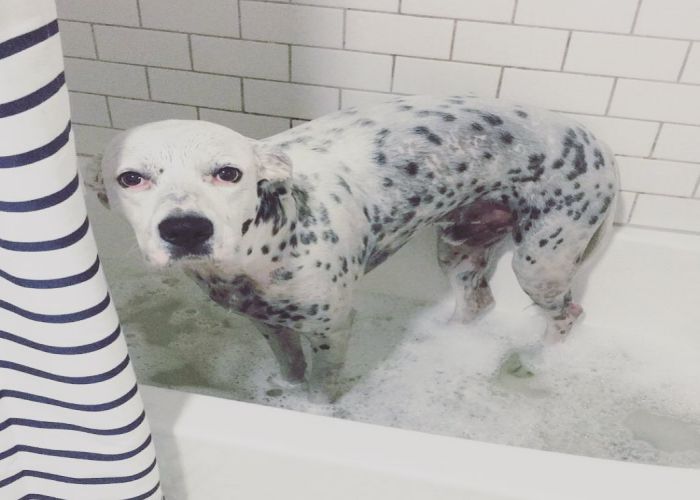
Best fit: Active homes that can handle an athletic spotted companion. Typical size: Medium to large. Energy level: High.
A striking, energetic mix that may need lots of exercise, manners work, and early socialization.
This mix does not have a dedicated ABD child guide yet, so treat this section as a starting point and compare both parent breeds before adopting.
Are Pitbull Mixes Good Family Dogs?
Many Pitbull mixes can be affectionate family dogs, but “good with families” depends on the individual dog, early socialization, training, supervision, and household match. A calm adult rescue with a known temperament may be a better family fit than a high-drive puppy from unknown lines. Always supervise dogs around children, teach children respectful handling, and avoid rough play that encourages jumping or mouthiness.
Common Health Considerations in Pitbull Mixes
Because Pitbull mixes inherit traits from both sides, health risks can vary. Ask rescues, shelters, or breeders about hip and elbow history, skin and allergy issues, knee problems, breathing comfort, weight management, and any breed-specific concerns from the other parent breed. Large mixes need joint-conscious exercise and healthy growth; short-muzzled or compact mixes need careful heat and breathing monitoring.
For everyday care, build a relationship with a veterinarian, keep vaccines and parasite prevention current, and keep your dog lean. Food and gear also matter for strong dogs; ABD readers can use our best dog food for Pitbulls, best harnesses for Pitbulls, and durable toys for Pitbulls resources as supporting guides.
Training and Exercise Needs
Most Pitbull mixes do best with daily exercise, reward-based training, leash manners, and calm social exposure. Herding, sporting, sled-dog, and working-breed mixes usually need more than a short walk. Teach foundation skills early: name response, recall, loose-leash walking, settle on a mat, leave it, drop it, and polite greetings.
Adoption and Responsible Ownership
If you adopt, ask about the dog’s known history, energy level, dog-to-dog behavior, child experience, medical records, and any behavior notes. If you buy from a breeder, look for health testing, transparent parent information, clean records, and a willingness to take the dog back if the placement fails. Avoid sellers who rely only on rare colors, size labels, or exaggerated “protection” claims.
Frequently Asked Questions About Pitbull Mixes
What is the best Pitbull mix?
There is no single best Pitbull mix for every home. The best choice is the dog whose adult size, exercise needs, temperament, training level, and health profile match your lifestyle. Active owners may prefer athletic mixes such as the Labrabull, Pitsky, or Shepherd Pit. Smaller homes may prefer a compact mix, but even small Pitbull mixes still need training and daily activity.
Are Pitbull mixes aggressive?
A breed label alone does not tell you whether an individual dog will be aggressive. Genetics, socialization, training, health, handling, and environment all matter. Responsible owners should focus on early social exposure, reward-based training, safe management, and reading body language rather than assuming any mix is automatically safe or unsafe.
Are Pitbull mixes good with kids?
Many can be wonderful with children, but supervision is always required. Strong dogs can knock children over even when they are friendly. Choose a dog with a stable temperament, teach children not to climb on or tease the dog, and give the dog a quiet place to rest.
How big do Pitbull mixes get?
Size depends on the other parent breed. A Pitbull Chihuahua or Pug mix may stay small to medium, while a Pitbull Mastiff, Great Dane, or Cane Corso mix can become very large and powerful. Use parent size as a rough guide, but expect variation.
Do Pitbull mixes need a lot of exercise?
Most need daily exercise and mental enrichment. High-drive mixes with Husky, Australian Shepherd, Border Collie, Blue Heeler, German Shepherd, Pointer, or Boxer ancestry usually need more activity than lower-energy companion mixes.
What is the smallest Pitbull mix?
Smaller examples may include Chipits, Dox Bulls, Pugbulls, Boston Pits, and some Pocket Pitbull-type mixes. Size labels can be inconsistent, so ask for parent information and focus on the individual dog’s adult weight and body structure.
Should first-time owners get a Pitbull mix?
A first-time owner can succeed with the right individual dog, support, and training plan, but some mixes are not ideal starter dogs. Very powerful, protective, high-drive, or giant mixes are usually better for experienced owners.
Are Pitbull mixes allowed everywhere?
Not always. Some housing, insurance, city, county, or country rules restrict Pitbull-type dogs or mixed dogs that look like them. Check local rules before adopting or moving with a Pitbull mix.
Should I adopt a puppy or adult Pitbull mix?
Puppies give you more time to shape habits, but adult dogs often have more predictable size, energy, and temperament. For many families, an adult rescue with a known foster or shelter profile can be the safer match.
How should I use this Pitbull mix list?
Use this page as the parent hub. Shortlist a few mixes by size, energy, and owner fit, then read the dedicated child guide for each mix before deciding. As we rewrite the child guides, each one will link back here so the full cluster is easier for readers and search engines to understand.
Sources Checked
- American Kennel Club dog breed profiles for parent-breed background and owner expectations.
- United Kennel Club American Pit Bull Terrier breed standard for Pitbull-type breed context.
- VCA Hospitals hip dysplasia in dogs for general joint-health context in large and athletic dogs.
- American Veterinary Medical Association pet care resources for responsible pet-care guidance.
- ASPCA general dog care for everyday care and ownership considerations.
- ASPCA common dog behavior issues for behavior and training context.
- Humane World responsible dog sourcing guidance for adoption/breeder responsibility checks.
- American College of Veterinary Surgeons canine hip dysplasia resource for orthopedic-health context.